
Last updated November 22, 2026
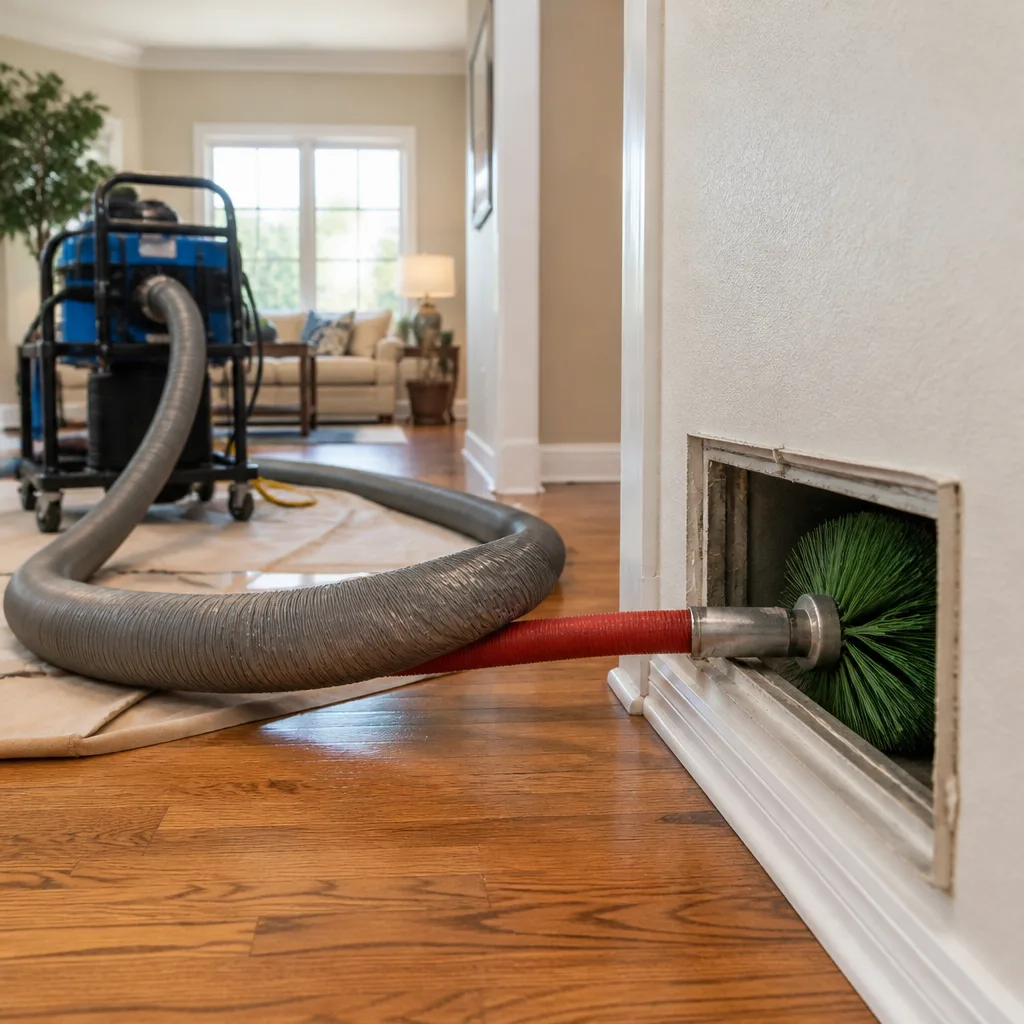 Whole-home duct cleaning
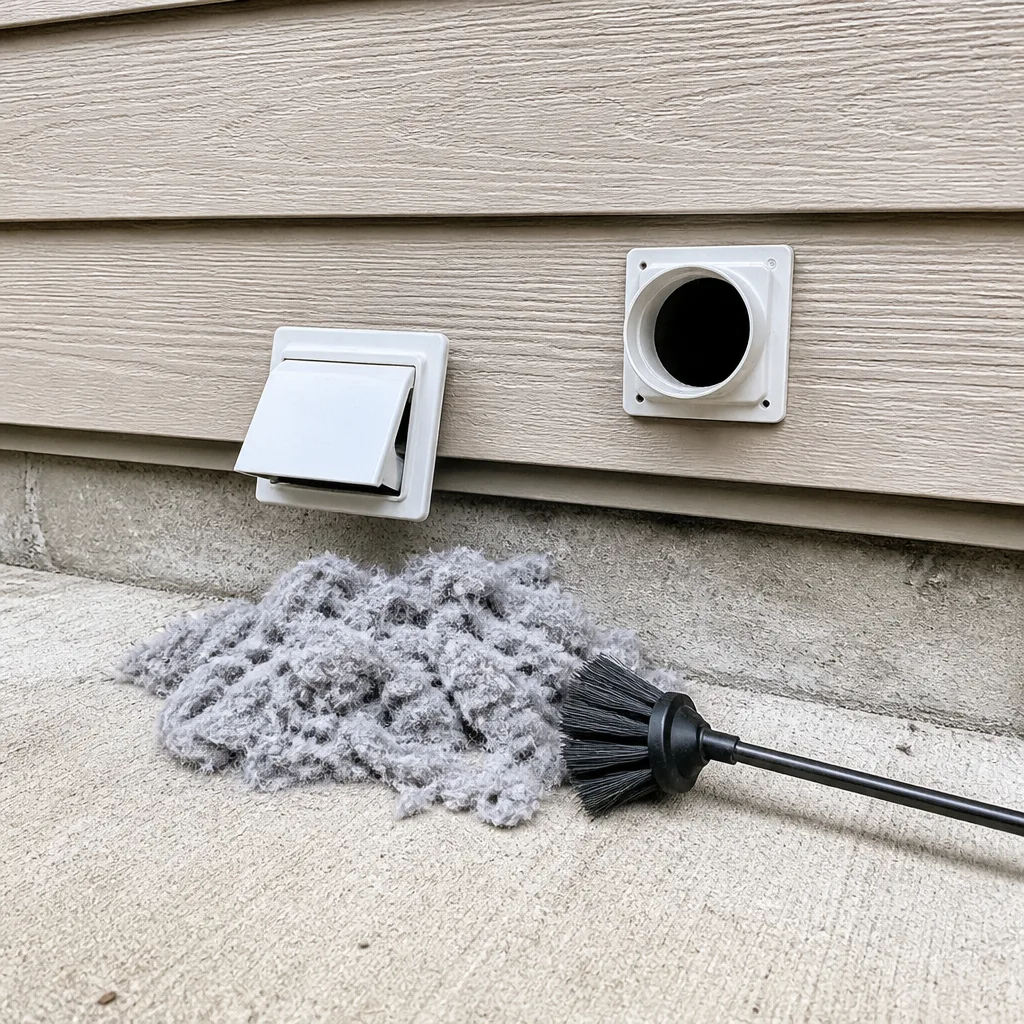 Dryer vent cleaning
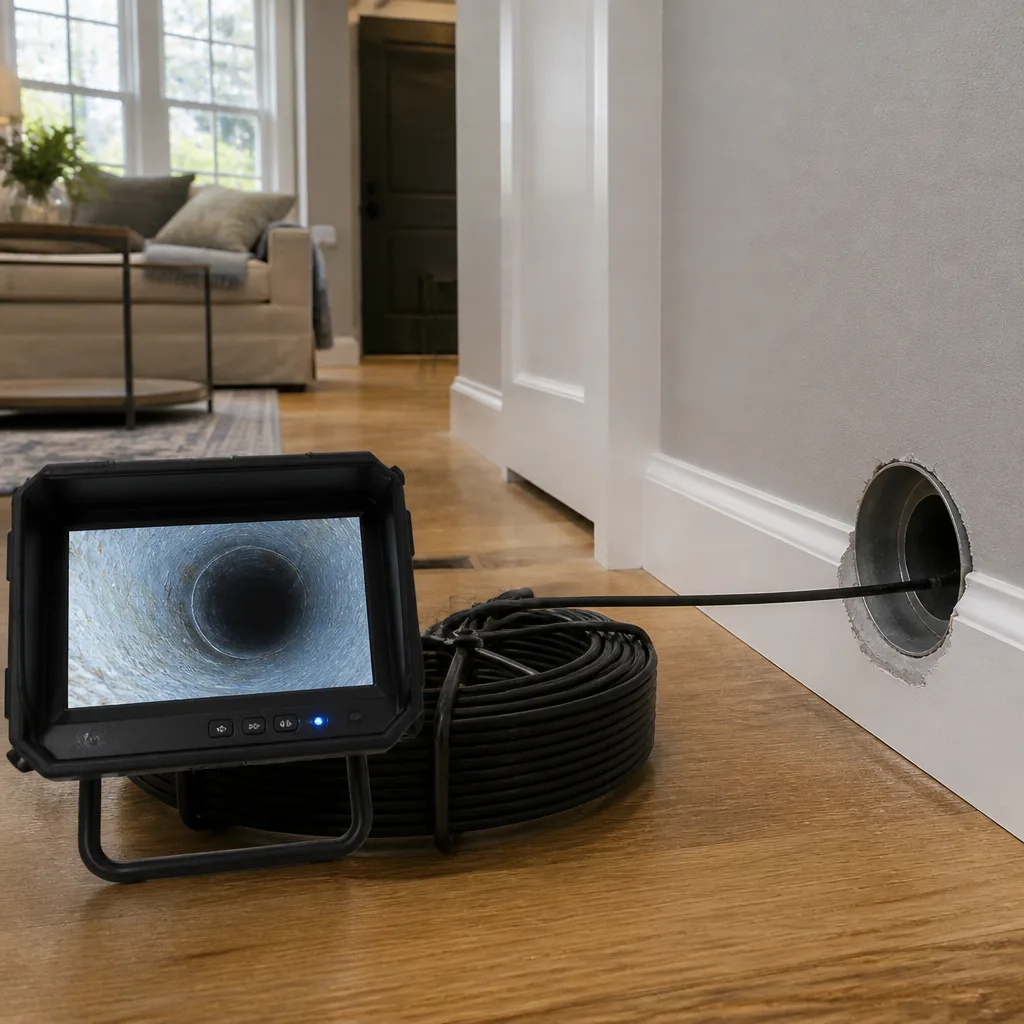 Camera inspection
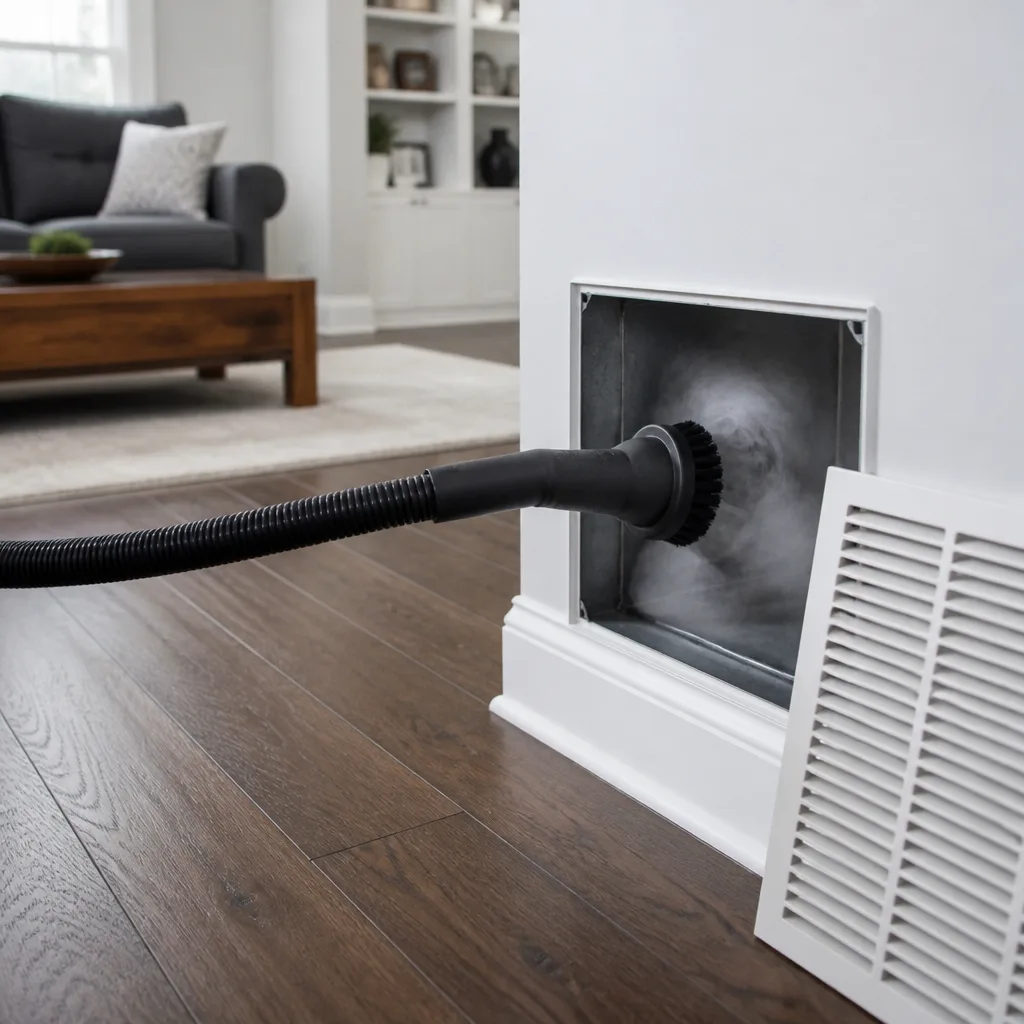 Sanitizing & deodorizing
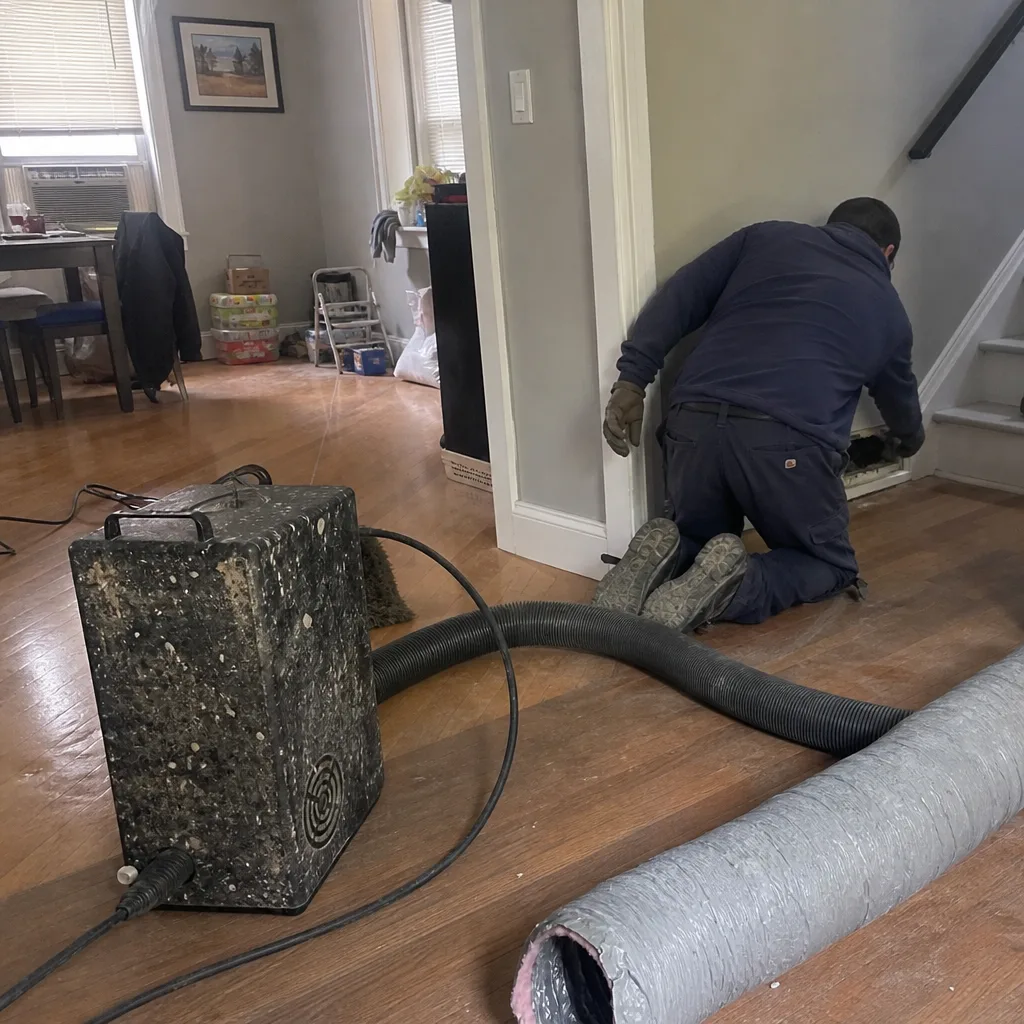
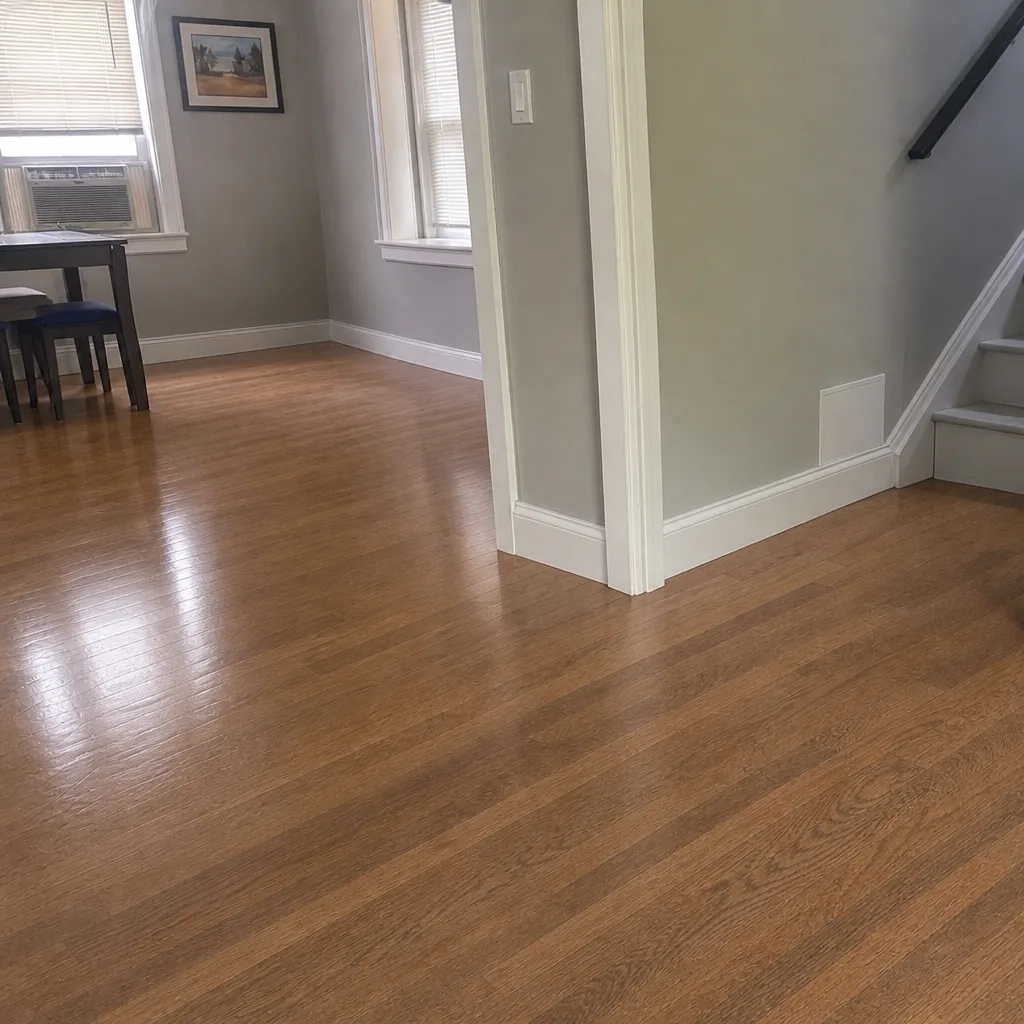
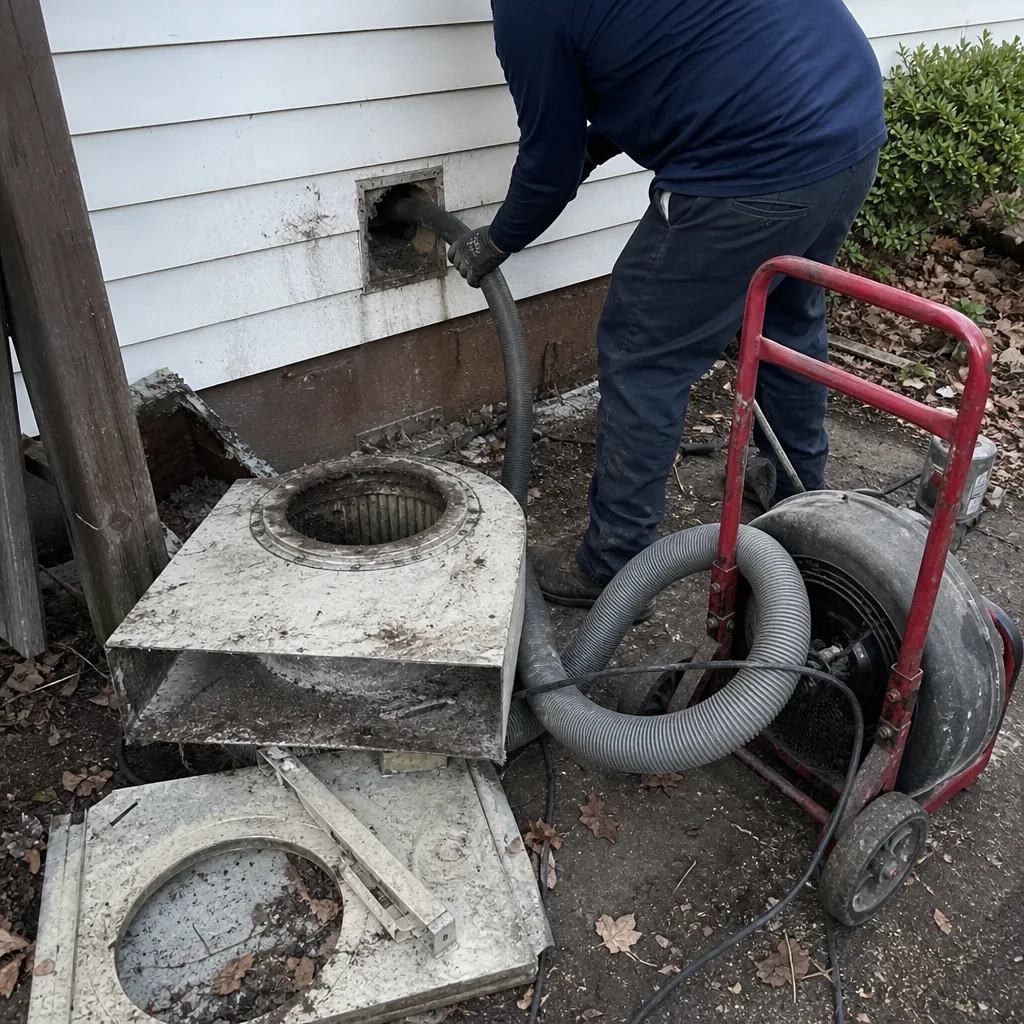
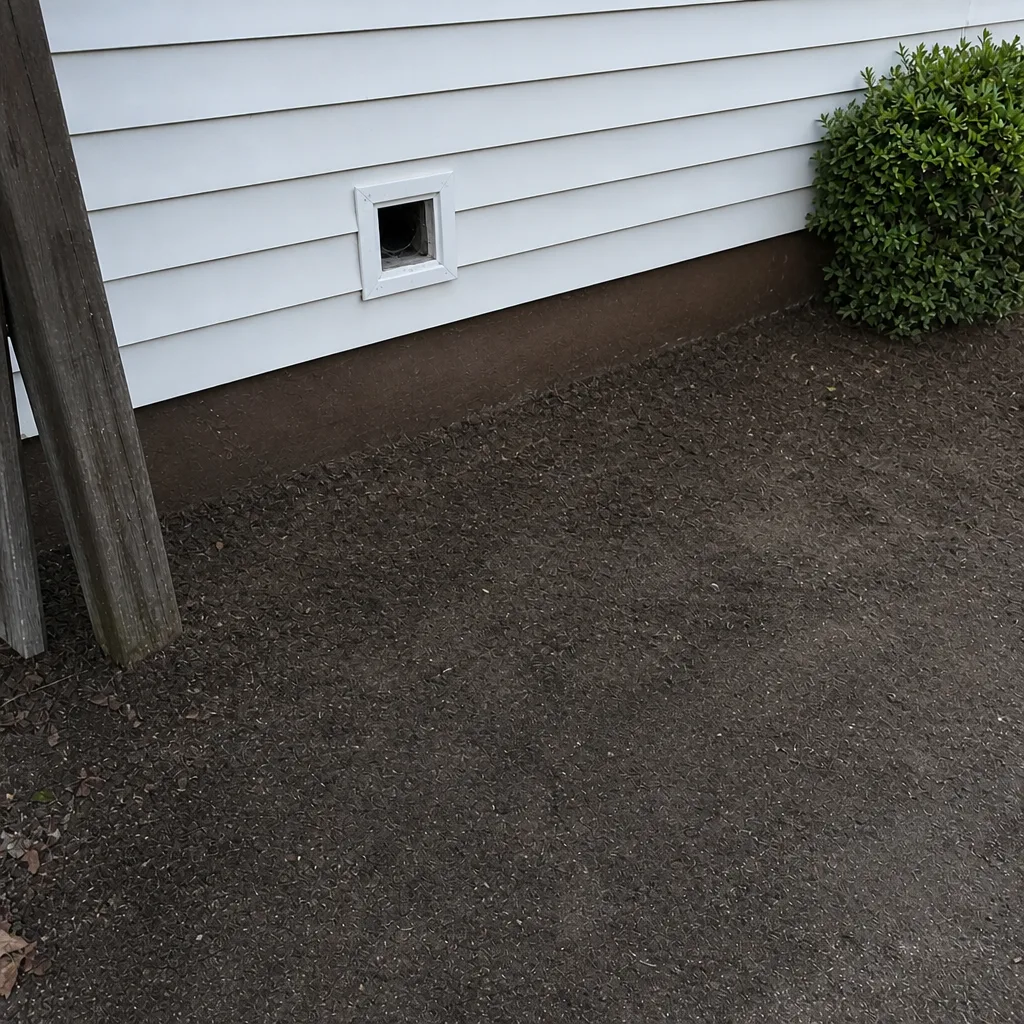
Whole-system duct and dryer vent check with before-and-after photos - you see exactly what came out of your vents
That "$99 whole-house special" is a bait ad - the real number appears once they are in your hallway, or the "clean" is a shop-vac at the register. We photograph the inside of your ducts before and after instead.
Air Duct Cleaning Warning Signs: A Corona Homeowner’s Reference Guide
The fine gray film on a bookshelf you dusted three days ago isn’t a housekeeping failure. It’s a diagnostic readout. Your supply registers are telling you, in deposits, exactly what your duct system is putting into the air your family breathes. Most Corona homeowners wait for a dramatic signal before they act – a visible puff of dust, a health complaint, a system that quits. The signals that actually matter arrive quietly and build over months. This guide teaches you to read the specific physical evidence your own system produces: deposit patterns, odor signatures, airflow changes, and symptom timing. You’ll finish knowing which signals point to contamination, which point to leakage, and which simply mean your filter needs changing.
Quick Answer
The main warning signs that air ducts need cleaning are visible dust streaks at supply registers, a musty smell when the system first starts up, uneven airflow between rooms, allergy or asthma symptoms that flare during HVAC run hours, and dust patterns that return within days of cleaning. In Corona, where homes run heating and cooling across long stretches of the year, these signals deepen quietly. Any two of them together usually justifies professional inspection.
Styles & brands we work with
- Whole-home duct cleaning
- Dryer vent cleaning
- Camera inspection
- Sanitizing & deodorizing
Table of Contents
- Register Dust Patterns: Reading What Your Vents Deposit
- The Musty Odor-on-Startup Signature
- Uneven Room Airflow as an Early Warning
- Post-Renovation and Post-Pest-Treatment Indicators
- Symptom Timing: Connecting Health Patterns to HVAC Hours
- Dryer Vent Warning Signs Corona Homeowners Overlook
- Duct Leakage vs. Duct Dirt: Different Problems, Different Fixes
- How a Professional Inspection Actually Works
Register Dust Patterns: Reading What Your Vents Deposit
A dust ring around the grille isn’t the whole story. What matters is texture, color, and how fast the deposit returns. Each of those tells you something different about where contamination lives inside the system and what kind it is.
Thin, uniform gray film that reappears on surfaces near supply registers within a few days of dusting points to a constant low-level particle load. That’s usually the sign of a system that pulls in debris from a dirty return side or a filter that’s past its job. In Corona homes where windows stay open through mild stretches and closed tight through hot ones, this film tends to deepen during the closed-window season, when the HVAC system is running the air exchange alone.
Thicker, darker deposits with a slightly tacky feel suggest something different: often grease or cooking particulate that traveled through the return from a kitchen, or dust that’s binding to a fine moisture film inside the ducts. Soot-dark streaks concentrated near one register point to a localized source in that specific run rather than the whole system.
- Uniform light-gray film returning quickly: general particle load, often a filter or return-side problem.
- Dark tacky deposits: cooking particulate or moisture-assisted binding.
- Concentrated streaks near one vent: localized contamination in that run.
- White or chalky residue: often construction dust or drywall particulate from a past renovation.
- Gritty texture you can feel: heavier debris, frequently from the return side or a poorly sealed connection.
What most homeowners rank wrong is replacement speed. A shelf that stays clean for two weeks after dusting tells a different story than one that gets filmed in three days. Rate of return is a more reliable signal than the deposit itself. When film reappears that fast, the system is actively redistributing contamination on every cycle, and a visual inspection of the interior runs is the next step. Our technicians have up to 15 years of experience reading exactly this kind of pattern, and the diagnosis usually starts long before a camera goes into a duct.
The Musty Odor-on-Startup Signature
A smell that appears in the first minute of HVAC startup and fades once the system runs is a specific signal. It narrows the source to something that builds up while the system sits idle and gets pushed into the living space the moment airflow begins. That timing is the diagnostic clue, and it’s frequently misread.
Three common sources produce that startup smell, and they don’t feel the same:
- Dirty evaporator coil: a damp, “wet basement” smell that’s strongest in cooling season and recedes as the coil dries out during a run cycle. The coil sits wet for much of the cooling season, and biological film on its surface is a classic startup-odor source.
- Mold or microbial growth in duct liner: a sharper, earthier, sometimes sour smell that doesn’t fade fully during operation, because the growth is in the duct material itself rather than on a coil the airflow can dry.
- Dead pest in a duct run: a sharp, distinctly unpleasant smell that appears suddenly, often localized to one area of the house, and worsens rather than improving over days. That pattern – sudden onset, one zone, getting worse – is the fingerprint.
Telling them apart without inspecting is unreliable, and this is a health-relevant distinction, not just a comfort one. Microbial growth in a duct system that keeps distributing spores is a different problem than a coil that needs cleaning. What we look for in Corona homes is the smell’s relationship to seasons and run cycles: a cooling-season smell that fades during operation points toward the coil; a year-round smell that persists points toward the ducts themselves.
When the smell is musty and persistent, professional sanitizing after cleaning addresses the surface growth rather than masking it. Equipment matters here – we use Corona Air Duct Cleaning grade tooling built for the job, including Abatement Technologies equipment associated with HEPA-grade containment and remediation-level standards. Masking a smell with a spray doesn’t remove the growth.
Uneven Room Airflow as an Early Warning
One room that never feels as comfortable as the rest is often a duct problem in progress, not a thermostat quirk or a bad window. Partial blockages and disconnected runs show up as comfort complaints long before anyone sees contamination, because airflow restriction changes how a room feels before it deposits anything visible.
The diagnostic sequence worth running yourself:
- Hold a tissue or your hand at each supply register and compare the airflow. A register with noticeably weaker flow than its neighbors is a candidate for a partial blockage in that run.
- Check whether the weak register is the farthest from the air handler or at the end of the longest run. Long, restricted runs lose the most flow, and that pattern points to duct issues rather than equipment.
- Note whether the weak room is hot in summer and cold in winter along with the low airflow. Consistent temperature failure paired with low flow is a duct-side signal.
- Listen at the register for a whistle or rush that suggests a restriction upstream. A whistling vent can mean a partially closed damper or a crushed flex run behind it.
In Corona, where attached and semi-attached housing dominates many neighborhoods and duct runs take tight paths through walls and joist bays, crushed or kinked flex duct is common and easy to miss. A run that’s been pinched behind a wall for years still counts as a system fault – it’s just invisible. Professional airflow diagnosis locates it, and our duct repair and sealing work often resolves the comfort complaint without any cleaning at all. This is the reason to have airflow checked before assuming a system is simply “dirty.”
Post-Renovation and Post-Pest-Treatment Indicators
Two events leave contamination in ducts that almost no homeowner connects to their air quality: a renovation and a pest treatment. Both push fine particulate into the return system, and both produce a distinct signature worth watching for.
The renovation signature
Drywall dust, sawdust from trim and cabinetry work, insulation fibers, and sealing and adhesive particulates all get dragged into returns when the HVAC system runs during renovation – and in most homes, it runs. Drywall dust in particular settles as a fine white film that travels the entire system and clings to duct walls. Because it’s so fine, ordinary filtration doesn’t capture it at the register. If you’ve had drywall work, cabinet refacing, a flooring install, or insulation replacement, the ducts almost certainly took on particulate that a filter won’t pull back out.
The pest treatment signature
Insecticide and rodent-treatment applications – dusts, residual sprays, tracking powders – leave residues that can ride return airflow into the system. Some formulas leave faint oily or dusty trace deposits inside ducts and on vent surfaces. If pest activity occurred near the return air path, or a technician applied a dust in wall voids or attic spaces, the return system may have pulled particulate. That’s worth a professional look, not a wipe-down, because pesticide residue is not the kind of contamination you want to handle with a shop vacuum.
- Fine white dust film after drywall or cabinet work:
- Persistent gritty dust after a flooring or insulation project:
- Faint odor or film after pest treatment near return pathways:
- Visible dust plume from a register when the system first kicks on after construction:
In our experience, these two signatures are the most-missed reason a Corona home goes into a system cleaning well before the “two-year cycle” advice would suggest. For a deeper treatment of sanitation after a renovation or pest event, air duct cleaning combined with sanitizing handles both the particulate and the residue.
Symptom Timing: Connecting Health Patterns to HVAC Hours
A pattern of allergy or asthma complaints that worsens during HVAC run hours – and eases when the system is off – is one of the most reliable clues that the duct system is distributing an irritant. Most homeowners never spot it because the connection hinges on timing rather than location.
The test is simple. Track household symptoms against the system’s run cycles over a couple of weeks:
- Symptoms that start within 15 to 30 minutes of the system kicking on and settle within an hour or two after it stops.
- Symptoms concentrated in rooms nearest the supply registers and milder in rooms with less airflow.
- Morning congestion that clears after the family leaves the house, when there’s no forced-air circulation.
- Seasonal flares that track the closed-window months in Corona, when the HVAC is the only air exchange and windows are shut tight.
This is not a diagnosis – we don’t make health claims. But the correlation is a practical signal that a doctor’s advice is worth pairing with an inspection. The most overlooked detail is not what’s in the air, but when. A duct system moving contamination into a bedroom on every cycle will produce a symptom cluster that follows the thermostat’s schedule, not the weather.
A system running measured, professional containment and HEPA-grade filtration is a different system from a dusty one. When we sanitize after cleaning, the Abatement Technologies equipment handles capture-level filtration so particulate leaves the system rather than re-entering the room. A Honeywell or Aprilaire filtration component added to a duct system afterward gives a measured layer of continuous protection between cleaning visits. When symptoms follow HVAC run hours, the culprit is usually already in the system.
Dryer Vent Warning Signs Corona Homeowners Overlook
A dryer that takes two cycles to dry a load is a fire-safety signal, not just a convenience problem. Lint accumulation in the vent run restricts airflow, and the heat carried by that restricted flow is where the real risk sits.
Warning signs to watch for at home:
- The dryer takes noticeably longer to dry each load, and the time keeps creeping up.
- The dryer is hot to the touch on top or the cabinet, especially at the back.
- There’s a burning or musty smell near the dryer when it runs.
- The venting flap outside (if reachable) barely opens, or lint is visible around the exterior vent.
- Clothes come out hotter than usual, or the detergent smell is gone.
- The lint trap fills faster than it used to, or lint appears in the flexible transition duct behind the dryer.
This is one area where we see homeowners focus on the visible duct and miss the buried vent run entirely. The path through the wall, up through a vertical chase, or along a long flexible run is where lint piles up, and none of that is visible from beside the dryer. dryer vent cleaning with the proper vacuum and agitation tools clears the full run, not just the reachable portion. It’s a fire-safety service as much as an efficiency one, and it’s easy to skip because the dryer does eventually finish the load.
Duct Leakage vs. Duct Dirt: Different Problems, Different Fixes
Dirty ducts and leaky ducts produce overlapping symptoms, and most of the advice you’ll read online treats them as one thing. They aren’t. A cleaning visit without a sealing fix can restore clean interior surfaces and still leave the system pulling in the same contamination, because a leak keeps re-contaminating what was just cleaned.
The EPA estimates duct leakage causes 20 – 30% energy loss in a typical home HVAC system. That figure captures both the energy lost from leaking conditioned air and the contamination drawn in through gaps and poorly joined connections. In Corona homes with long, uneven duct runs through attic or wall cavities, poorly joined flex sections, disconnected fittings, and open wall cavities feeding the return system are common findings.
Here’s how the two problems differ in what they produce:
- Contaminated interior surface: dust deposits, odor, film returning quickly after cleaning, allergies flaring during run hours.
- Leaky duct system: high energy bills, complaints about rooms that never feel right no matter how clean the ducts, dust that returns within days of a cleaning, and visible gaps or disconnected joints found during inspection.
The fix that handles both is HVAC cleaning paired with repair and sealing. Our equipment is a Rotobrush contact-vacuum system combined with Nikro negative-air machines – physically agitating and extracting debris rather than relying on airflow. When the runs are sealed afterward, the cleaning stays clean. A contractor that only cleans and leaves a leaky duct system is treating the symptom, not the source.
How a Professional Inspection Actually Works
A real inspection is a diagnostic, not a sales call. A professional should be able to walk you through the system’s condition step by step and point to what they found. Here’s what a proper process involves:
- Walkthrough and system map: locate the air handler, all supply and return runs, and note which rooms complain most. This builds the airflow picture before the tools go in.
- Visual and camera inspection of the runs: inspect the return plenum, trunk lines, and branch runs for visible debris, moisture, microbial growth, pest evidence, and disconnected or crushed flex.
- Airflow measurement at registers: compare measured flow across rooms to identify the specific runs that are restricted.
- Containment setup for cleaning: negative-air containment is set up before the cleaning begins, using equipment like a Nikro unit, so debris is captured rather than pushed into the room.
- Contact-vacuum cleaning of the interior surfaces: the Rotobrush tool agitates and extracts debris from the duct’s interior walls – not just a shop-vac pass at the register.
- Optional sanitizing where growth is found: Abatement Technologies equipment for containment-level standards where the system shows microbial growth or post-renovation residue.
- Sealing and repair of any leaks or disconnected runs: this is what separates a diagnostic-driven fix from a visit that looks clean but fails.
Before-and-after photos of your own duct system are a reasonable request and answer one of the most common doubts homeowners bring to this trade: how do I know the work was actually done? The tools carry the proof. Our technicians have up to 15 years of experience working with Rotobrush and Nikro equipment, and that experience is what turns a visual into a working diagnosis.
Common Mistakes to Avoid
- Judging cleanliness by the register only. A wiped grille tells you nothing about the interior. The deposit on the surface near the register is where the diagnostic starts, and the interior is where it has to be confirmed.
- Cleaning without sealing. A leaky duct system re-contaminates a clean duct within a short window. If a contractor cleans and leaves leaks in place, you’re buying a temporary result.
- Ignoring a startup odor. A musty smell that fades after a minute is a source pinpoint, not a harmless quirk. It’s one of the clearest signals in the system and one of the most commonly dismissed.
- Skipping the ducts after a renovation. Drywall dust and adhesive residue go into the return system during construction. Many Corona homeowners clean up and assume the house is done; the system needs its own cleanup.
- Assuming a new filter fixed it. A filter catches what reaches it, not the contamination on the duct walls. Cleaning and sealing address the interior, the filter protects the filter’s own run.
- Treating these as a two-year maintenance item. “Every two years” is a convenience number, not a diagnostic. The signals in this guide tell you when, based on the system’s actual behavior.
- Overlooking the dryer vent entirely. It’s part of your indoor air and fire-safety picture, and the warning signs are easy to write off as a dryer that’s “just getting old.”
See the difference
 Before
 After
 Before
 After
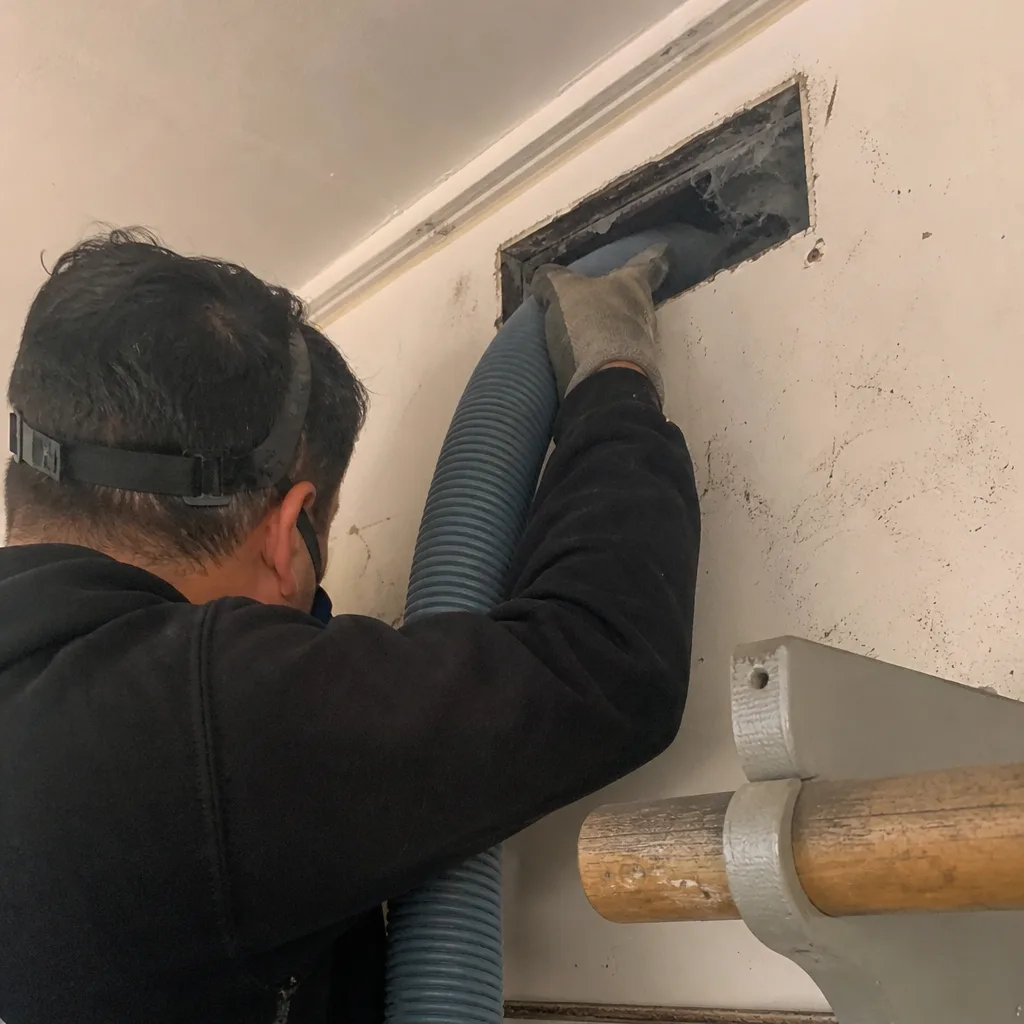 Before
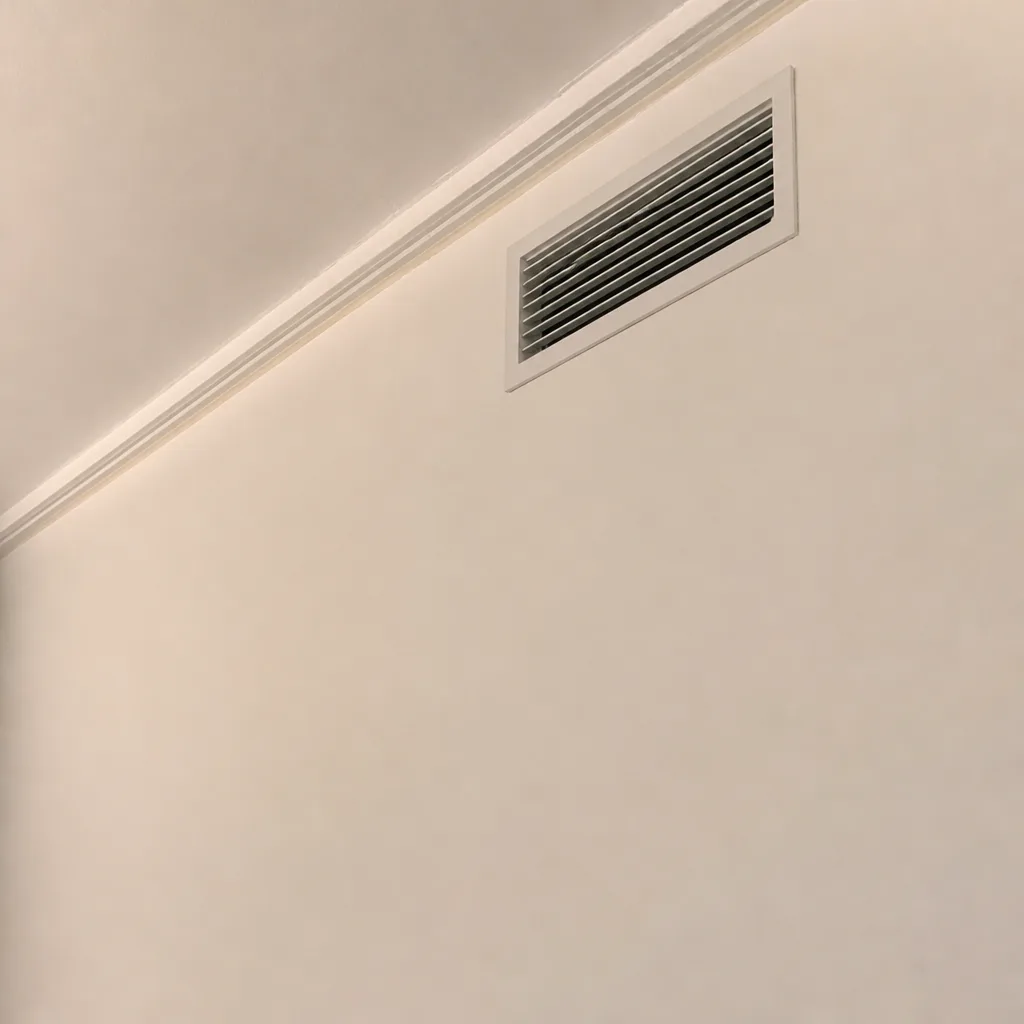 After
When to Call a Professional
Call a professional when you see two or more warning signals at once, when a startup odor is persistent, when airflow problems follow a renovation or pest treatment, when ductwork was installed or modified years ago and never re-sealed, or when allergy symptoms clearly track HVAC run hours. These are the situations where a proper inspection and a diagnostic-driven cleaning save you from repeat visits. Corona Air Duct Cleaning offers free estimates in Corona – call (866) 937-7810. We answer 24/7. Fast dispatch from 7am to 7pm, Sunday through Friday. A call outside dispatch hours is booked into the next opening, Sunday through Friday, 7am to 7pm. Single-visit fixes rarely hold on a system with multiple faults.
Frequently Asked Questions
Typical whole-system cleaning in Corona is estimated per home, with final pricing set by a written estimate based on system size, number of runs, and whether sealing or sanitizing is needed. We quote per system, not per vent, and you’ll know the number before work begins. Call (866) 937-7810 for a free estimate.
A very low quote is usually a per-vent price that covers a pass at the register and nothing more – not a contact-vacuum cleaning of the interior, not a camera inspection, and not sealing. The bait-and-switch pattern this trade is known for starts with a teaser price and a larger invoice once the technician is in the house. We quote one flat price per system before work starts.
Ask for before-and-after photos of your own duct interiors. Contact-vacuum equipment like a Rotobrush system physically agitates and extracts debris rather than pushing air around, and it produces visible results that can be documented. Any contractor who can’t show you the interior condition before and after is asking for blind trust.
There’s no universal interval – read the signals. Homeowners in Corona with pets, recent renovation, active allergy patterns, or older homes with unsealed ductwork may need attention sooner than a household with none of those factors. If dust returns to shelves within days and symptoms follow HVAC run hours, it’s due. Call (866) 937-7810 and we’ll come look.
Ducts that distribute particulate can aggravate allergy and asthma symptoms in people who are sensitive to dust, mold spores, or pet dander. We don’t make medical claims, but if symptoms track your HVAC run hours, that correlation is worth investigating with an inspection and your doctor’s input. Call (866) 937-7810 for a free estimate.
A smell that appears in the first minute and fades is usually coming from a wet evaporator coil, microbial growth in duct liner, or – if it’s sharp and sudden – a pest in a duct run. The timing and persistence distinguish them. An inspection locates the source; sanitizing with remediation-level equipment addresses microbial growth. Call (866) 937-7810 for an estimate.
The Bottom Line
The warning signs are almost always quiet: a dust film that returns too fast, a startup smell that fades, one room that never feels right, a drywall renovation the ducts absorbed, a symptom pattern that tracks your thermostat. Each of these tells you something specific. None of them requires panic. Together, they tell you that a diagnostic inspection is the next sensible step, and that a cleaning without a check for leakage is only half the job. Read what your system is depositing. The registers are already talking – the full picture, from cleaning to sealing to sanitizing, is what makes the fix last.
Corona Air Duct Cleaning connects Coron homeowners with independent local professionals who work from a written estimate. Call (866) 937-7810 to schedule a free estimate. We answer 24/7. Fast dispatch from 7am to 7pm, Sunday through Friday.
Written by the team at Corona Air Duct Cleaning.