
Last updated November 22, 2026
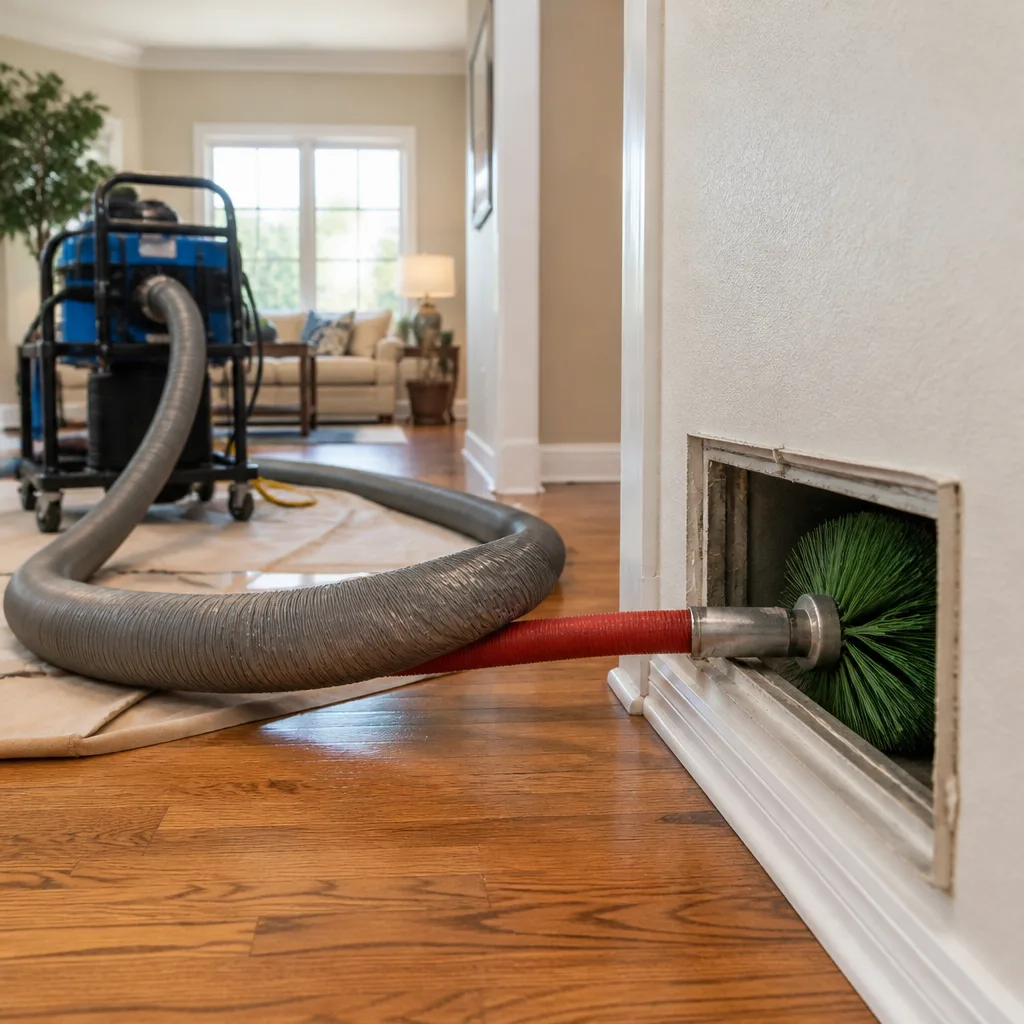 Whole-home duct cleaning
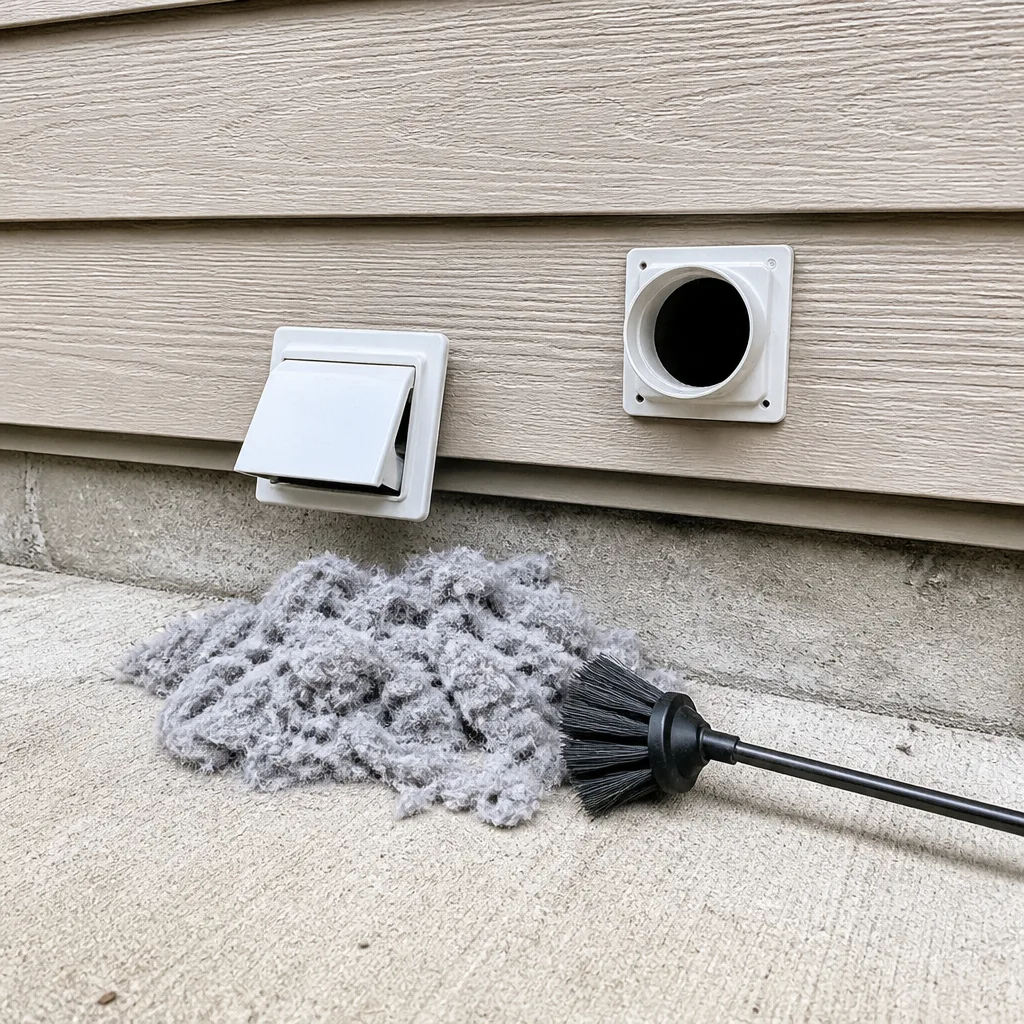 Dryer vent cleaning
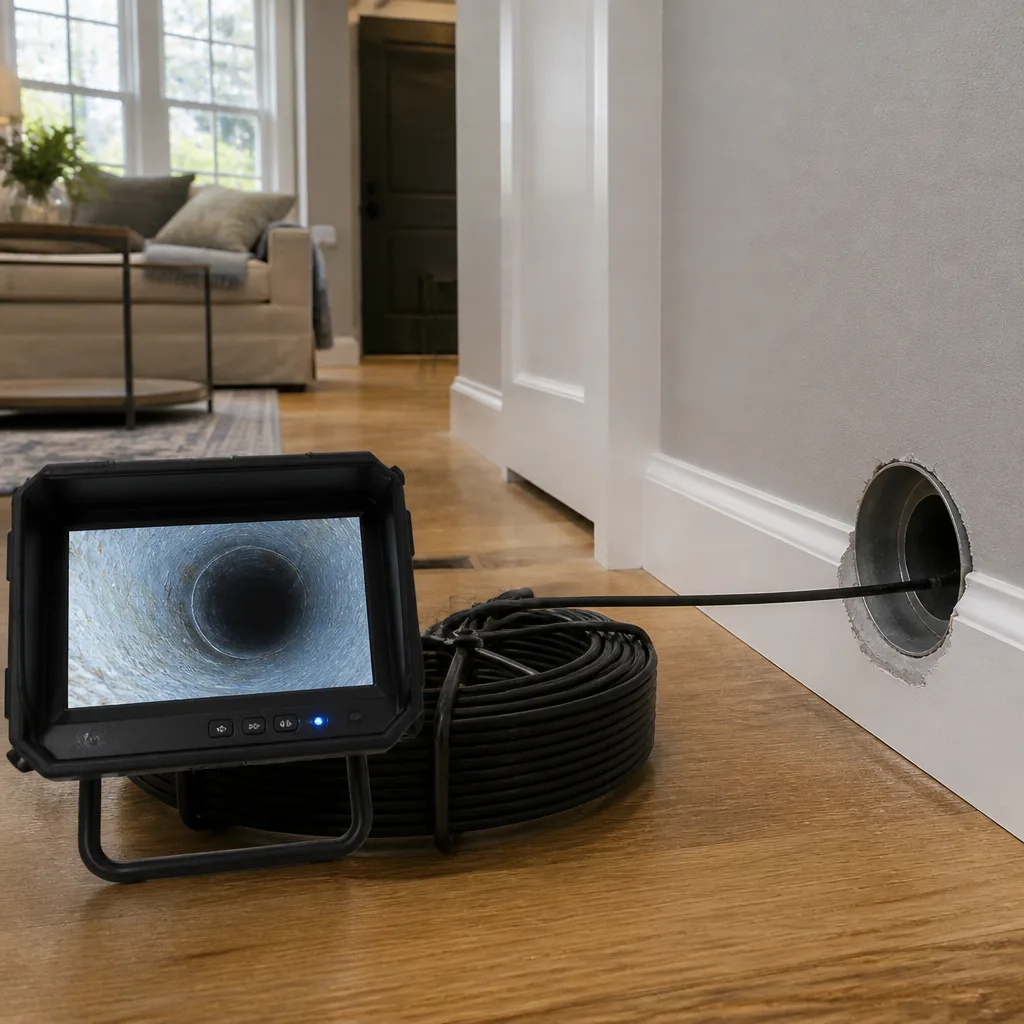 Camera inspection
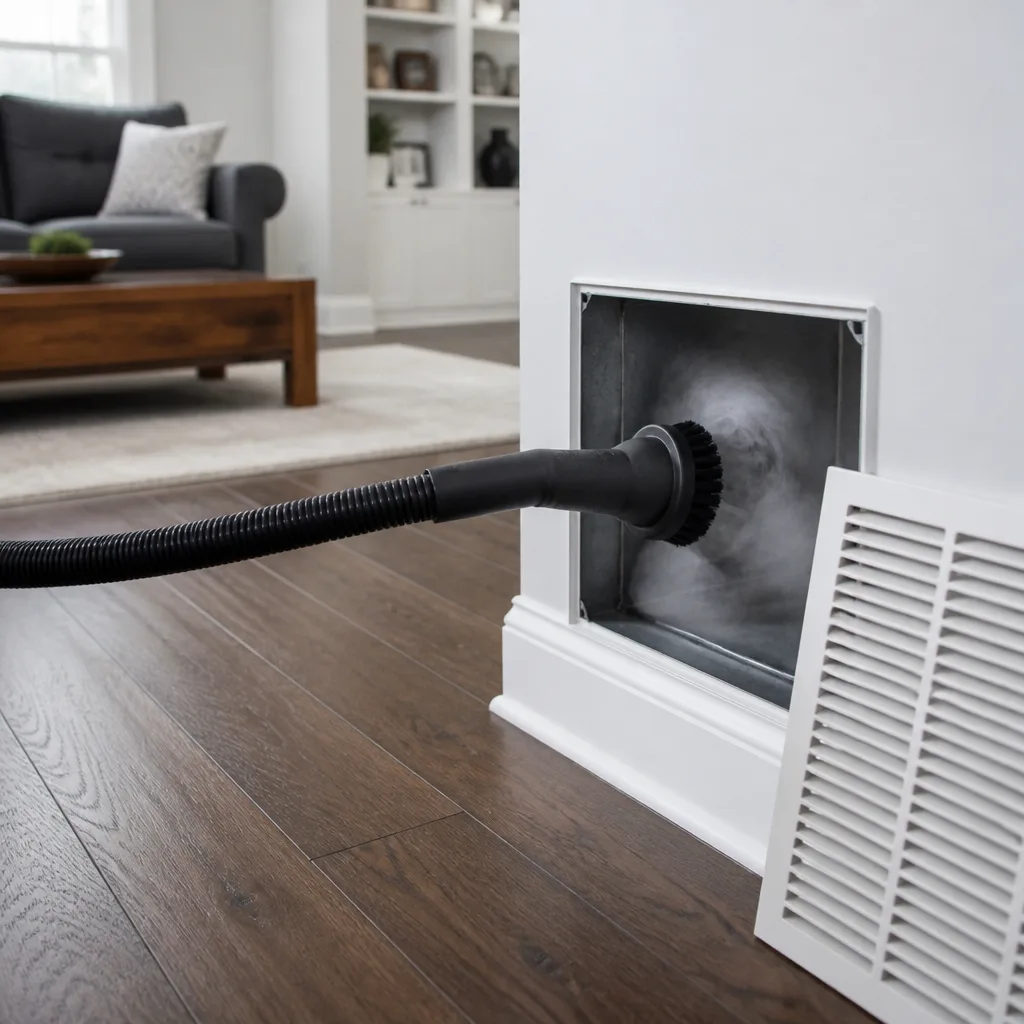 Sanitizing & deodorizing
Whole-system duct and dryer vent check with before-and-after photos - you see exactly what came out of your vents
That "$99 whole-house special" is a bait ad - the real number appears once they are in your hallway, or the "clean" is a shop-vac at the register. We photograph the inside of your ducts before and after instead.
Choosing the Right Air Duct Cleaning Brand: A Buyer’s Guide for Corona
When a contractor says they use “professional equipment,” that phrase spans a capability range from a HEPA shop vac to a truck-mounted negative-pressure system with high-volume collection, and those tools are not comparable. Most Corona homeowners never learn this until the work is already done and the vents look clean from the outside. The gap between real duct cleaning and a surface-level pass over the vent covers isn’t honesty, it’s hardware. In this guide we’ll break down the three categories of equipment that decide what a company can actually do, why brush-and-vacuum design matters more than airflow ratings, and the one question you should ask before you book anyone in Corona.
Quick Answer
Brand of equipment is the closest thing to an honest proxy for cleaning capability in duct cleaning. A company running an integrated brush-and-vacuum system like the Rotobrush line, a negative-air collection machine such as Nikro, and inspection cameras is physically capable of agitating and extracting debris; a company with a portable shop vac and no negative pressure is not. Before you book in Corona, ask for the make, model, and CFM rating of the collection equipment. A contractor who can’t or won’t answer is telling you something.
Styles & brands we work with
- Whole-home duct cleaning
- Dryer vent cleaning
- Camera inspection
- Sanitizing & deodorizing
Table of Contents
- The Three Equipment Categories That Define Service Capability
- Why Brush-and-Vacuum Integration Beats Sequential Cleaning
- Negative Pressure and CFM: What Collection Ratings Really Mean
- Why HEPA and Filtration Ratings Matter During the Job
- How to Verify Equipment Claims Before You Book
- Beyond Cleaning: Repair, Sealing, and Sanitizing
- What Makes a Duct Contract Different in Corona
- Brand Name vs. Measured Outcome
The Three Equipment Categories That Define Service Capability
Duct cleaning isn’t one machine. It’s a coordinated set of tools, and a weakness in any one of the three categories limits the whole job. When you evaluate a company in Corona, look for evidence that all three are present. The companies worth hiring will describe them without prompting.
- Agitation tools. Rotary brush systems, air whips, and pneumatic agitation devices loosen debris from duct walls. This is the difference between dust clinging to the interior of a duct and dust actually being removed from it.
- Collection systems. Portable HEPA units and truck-mounted or high-CFM negative-air machines pull the loosened debris out of the system and trap it. Without strong collection, agitation just redistributes dust into the living space.
- Inspection tools. Contact cameras (which touch and view the interior surface) and push-rod cameras (which extend deep into the run) let a technician see before-and-after conditions. No camera, no proof.
In our experience, companies missing one of these three categories don’t call attention to it. They describe the cleaning in general terms – “we clean the whole system” – and skip the specifics. Ask which tools they use for each of the three jobs. A straightforward answer means you’re dealing with someone who actually works the trade.
Why Brush-and-Vacuum Integration Beats Sequential Cleaning
There are two ways to clean a duct: brush it, then vacuum it (sequential), or brush and vacuum at the same time (integrated). The difference in outcome is larger than most homeowners expect.
In sequential cleaning, the brush loosens particles into the airstream, and the vacuum pulls them out afterward. In the gap between agitation and collection, some of that debris settles back onto surfaces or drifts out of open registers into the room. Integrated systems, like the Rotobrush BrushBeast, pair the brush head and the collection hose at the working end so that debris is captured the moment it’s lifted. There’s almost no window for aerosolization.
The Rotobrush system we work with in Corona falls into this integrated category. It’s a brush-vacuum combination designed specifically for residential duct cleaning, and it’s the tool EPA-adjacent industry guidance tends to reference when comparing methods. The trade-off is speed – integrated systems are slower per linear foot than a blower-only approach – but the difference in collected dust is not subtle when you see before-and-after camera footage.
If a Corona contractor tells you they “use a brush and vacuum,” ask whether those run together or in two passes. Many operators don’t own a brush head at all and agitate with air pressure alone. Air pressure will loosen dust, but it won’t scrub the duct wall, and a biofilm layer of dust on the metal stays put.
Negative Pressure and CFM: What Collection Ratings Really Mean
CFM stands for cubic feet per minute – the volume of air a machine can move. In a duct cleaning context, it’s the number that decides whether the duct system is under true negative pressure while the job is happening. Negative pressure means air inside the duct is being pulled toward the collection unit continuously. When it’s in place, dust that’s been loosened stays inside the duct until it reaches the machine. When it isn’t, dust goes wherever physics takes it: back into the duct, out of an open vent, or into the room.
Portable HEPA units typically run in the several-hundred-CFM range and work best on short runs and close spaces. Nikro-style negative-air collection systems are built for higher sustained volumes, which matters when you’re cleaning a full home’s supply and return network in one visit. A Corona house with a 2,000-foot run set can have well over 100 linear feet of duct. Collection capacity has to match that scale, or the process becomes tug-of-war between loosening and losing.
- Low CFM, no negative pressure: cleaning produces loose dust but collection lags behind. Registers and floor surfaces may need re-cleaning afterward.
- Moderate CFM, portable collection: adequate for short segments, single systems, and light maintenance cleanings.
- High CFM, sustained negative pressure: required for whole-home cleaning, particularly with multiple returns and long trunk runs.
We’re not saying every Corona job needs the highest-CFM machine on the market. A small Cape with a short duct run doesn’t. But you should know which side of the line your project sits on before you hire. Ask the technician to estimate the total linear footage of your ductwork and describe what collection setup they’ll use for it.
Why HEPA and Filtration Ratings Matter During the Job
Camera footage and air testing tell you what state a duct was in before and after cleaning. Filtration ratings tell you what happened during the cleaning. That distinction matters most for the household members who live in the space while the work is going on.
HEPA filtration traps particles at 99.97% efficiency at 0.3 microns – the standard definition every reputable filter manufacturer uses. Abatement Technologies equipment, which we use for remediation-level filtration and containment, is designed to that spec. When a cleaning crew runs HEPA-grade collection equipment, the exhaust leaving the machine is cleaner than the air around it. When they run a non-HEPA shop vac, the exhaust can reintroduce fine dust back into the room.
What this means for a Corona home during the visit: pets, kids, and anyone with respiratory sensitivities should be able to stay in the house while the collection equipment is running. If a company asks you to leave for the entire job, that’s a sign the filtration setup isn’t doing its job. Ask what filter class the collection unit uses. If the answer is “standard” or a vague brand name with no spec, ask again.
How to Verify Equipment Claims Before You Book
Equipment verification isn’t an insult to the contractor. It’s a reasonable, well-documented pre-service question, and a contractor confident in their setup will answer clearly. Here’s how to do it in five minutes.
- Ask for make and model. “What agitation tool do you use, and what model?” is a specific question with a specific answer. A company running Rotobrush systems can name the machine in a sentence.
- Ask for CFM. “What’s the CFM rating of your collection equipment?” A contractor who doesn’t know the number of the machine they run daily is either using consumer gear or doesn’t understand it.
- Ask about filtration class. “Is your collection unit HEPA-rated?” and “What filter class?” are the follow-up questions.
- Ask for before-and-after camera documentation. A contractor with inspection cameras will have examples ready. A contractor without them will say before-and-after photos “aren’t really necessary.”
- Ask what happens to debris during agitation. If the answer is “the vacuum catches it eventually,” negative pressure probably isn’t in place.
If any of those five questions gets deflected, move on. Corona has enough legitimate contractors that you don’t have to accept vague answers. At Corona Air Duct Cleaning, our technicians have up to 15 years of experience and work with Rotobrush collection systems and Nikro negative-air equipment day to day. We’re happy to be asked about the hardware by name.
Beyond Cleaning: Repair, Sealing, and Sanitizing
A common limitation of duct cleaning companies is that their tools stop at cleaning. When the cleaning reveals a disconnected joint, a collapsed run, or a leaking trunk line, they refer the work out. That’s a problem because duct leakage is exactly where most of the contamination and energy loss originates.
The EPA estimates that typical home HVAC ducts lose 20-30% of airflow through leakage. That number drives two things: what you pay in energy, and what comes back into your air. Cleaning a duct system that isn’t sealed is a temporary fix. Sealing is the part that keeps the improvement from eroding over the next season.
Full-system indoor air quality work, in our experience, does a few things at once:
- Cleans the duct and HVAC system, including the air handler and coil areas where dust accumulates.
- Repairs and seals leaks, so contaminants can’t re-enter through gaps in the trunk, joints, or returns.
- Addresses air quality at the source with sanitizing, using Abatement Technologies equipment where remediation-level filtration and containment are needed.
- Handles the connected work – HVAC cleaning and dryer vent cleaning – so one contractor owns the whole indoor air picture.
We also install and service Honeywell and Aprilaire air quality products, which means the improvement we measure after cleaning has somewhere to go. A clean duct system paired with proper filtration is a different outcome than clean ducts paired with nothing.
What Makes a Duct Contract Different in Corona
Corona isn’t a generic market. The housing stock, the way duct systems were installed here, and the local dust and pollen loadings all shape what a cleaning visit looks like. When we’re working in Corona neighborhoods like Corona Heights, Lefrak City, and North Corona, the same three things show up in nearly every job.
Pre-war and mid-century housing. Much of the residential stock in Corona was built before modern duct sealing standards, which means many systems have unsealed joints, long flex runs, and returns that were added after the original HVAC installation. Old ducts aren’t dirty because they’re old – they’re dirty because air has been leaking through gaps and drawing dust from wall cavities and crawl spaces for years.
Shared walls and tight lots. Detached single-family isn’t the default in Corona. Multi-unit buildings and closely spaced homes mean dust from neighboring units and exterior air can migrate through shared systems more easily. Negative pressure during cleaning isn’t optional in this context; it’s what keeps the debris from crossing back into a lived-in unit.
Seasonal pollen and urban particulate. Corona’s tree pollen loadings in spring and the ambient urban particulate that comes with high-density housing mean duct systems here collect a mix of biological and particulate material. Cleaning frequency here often runs on the short side of the national benchmark because the loading is higher.
Local context shouldn’t change the equipment standard. It should change the estimate of how often you need the work and what sealing covers. Any contractor proposing a Corona cleaning should be able to speak to all three of these factors. If they can’t, they’re quoting a generic job.
Brand Name vs. Measured Outcome
Equipment brands matter, but only because they translate into measurable results. Rotobrush, Nikro, and Abatement Technologies are recognized names in residential and remediation duct work, but the reader shouldn’t buy a brand – the reader should buy what the brand enables: measured improvement in air cleanliness after the visit.
What you can ask for as proof:
- Before-and-after camera images from inside the actual ductwork, not stock photos. Contact cameras give close-up detail; push-rod cameras show the full run. Both are useful, and reputable companies use both.
- Register-to-register airflow checks before and after – a simple handheld meter can show whether airflow through registers improved after cleaning and sealing.
- A written description of what was cleaned, including the number of returns and supplies, the air handler, and any coil or plenum surfaces.
The phrase “air you can measure, not just feel” is what we aim for in Corona. Feel is what every duct cleaning company promises. Measurable is what only a properly equipped one can deliver.
Common Mistakes to Avoid
- Hiring on price alone without asking about equipment. A quote that undercuts everyone else by a wide margin has to make that up somewhere – usually in a smaller machine and less time on the job. In Corona, ask what machine they’re bringing and how long they expect the job to take before you compare prices.
- Accepting a “vent-only” cleaning. Cleaning just the vent covers and grilles is not duct cleaning. If the technician never connects to the trunk line or air handler, the dust inside the system is untouched.
- Excluding the air handler and coils. The coil is where dust accumulates most because it’s wet during cooling season. A cleaning that skips the air handler skips the part that most affects your air quality and efficiency.
- Skipping the inspection documentation. No camera means no proof. If you can’t see the inside of your duct before and after the job, you have no way to verify the work was done at the depth promised.
- Cleaning without sealing afterward. In Corona’s older housing stock, unsealed joints let new dust in through the same gaps that let it in before. Cleaning without sealing is a temporary fix at best.
- Confusing “sanitizing” with “cleaning.” Sanitizing is a treatment applied after cleaning, not a substitute for extraction. If a company leads with sanitizing and is vague about collection equipment, they’re skipping the hard part.
- Ignoring the dryer vent. Lint is a documented leading cause of residential fires. A duct cleaning contractor who doesn’t offer dryer vent service is leaving the single most safety-critical vent in the house untouched.
See the difference
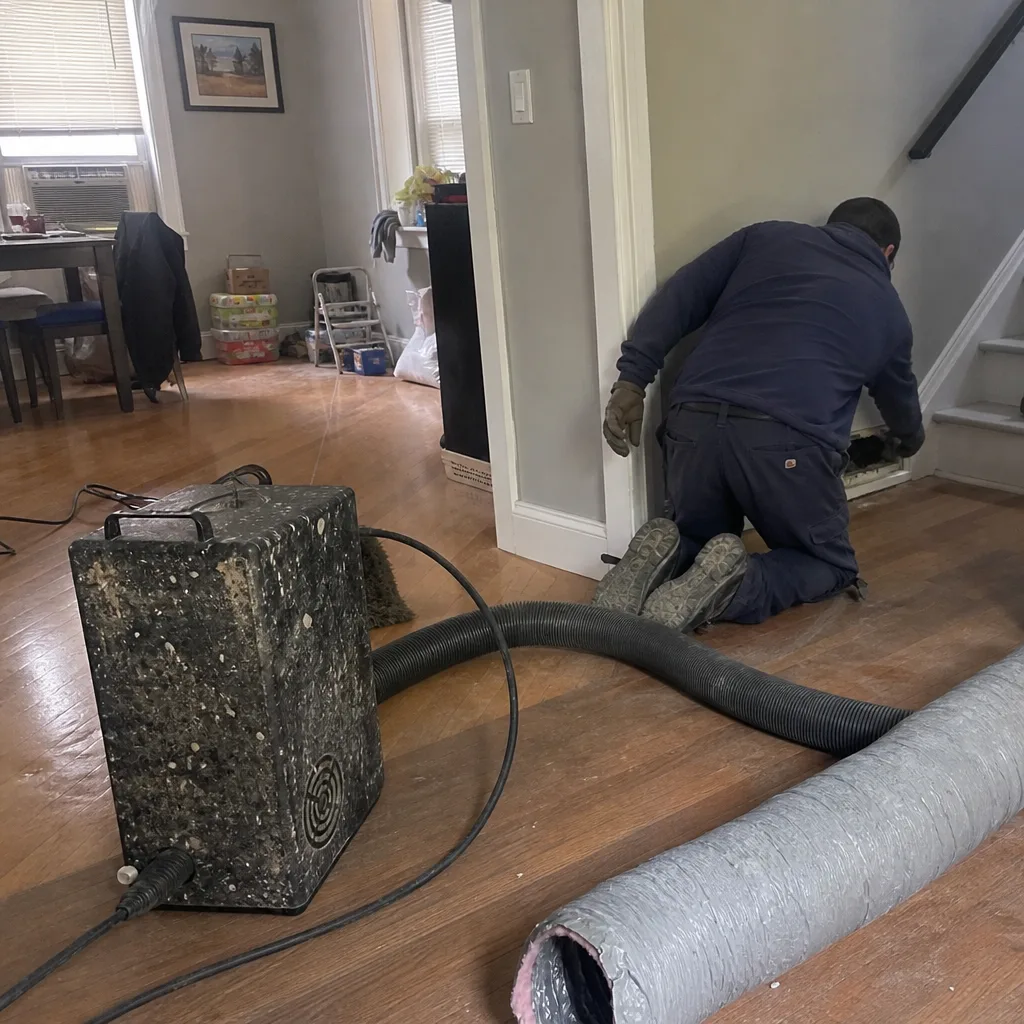 Before
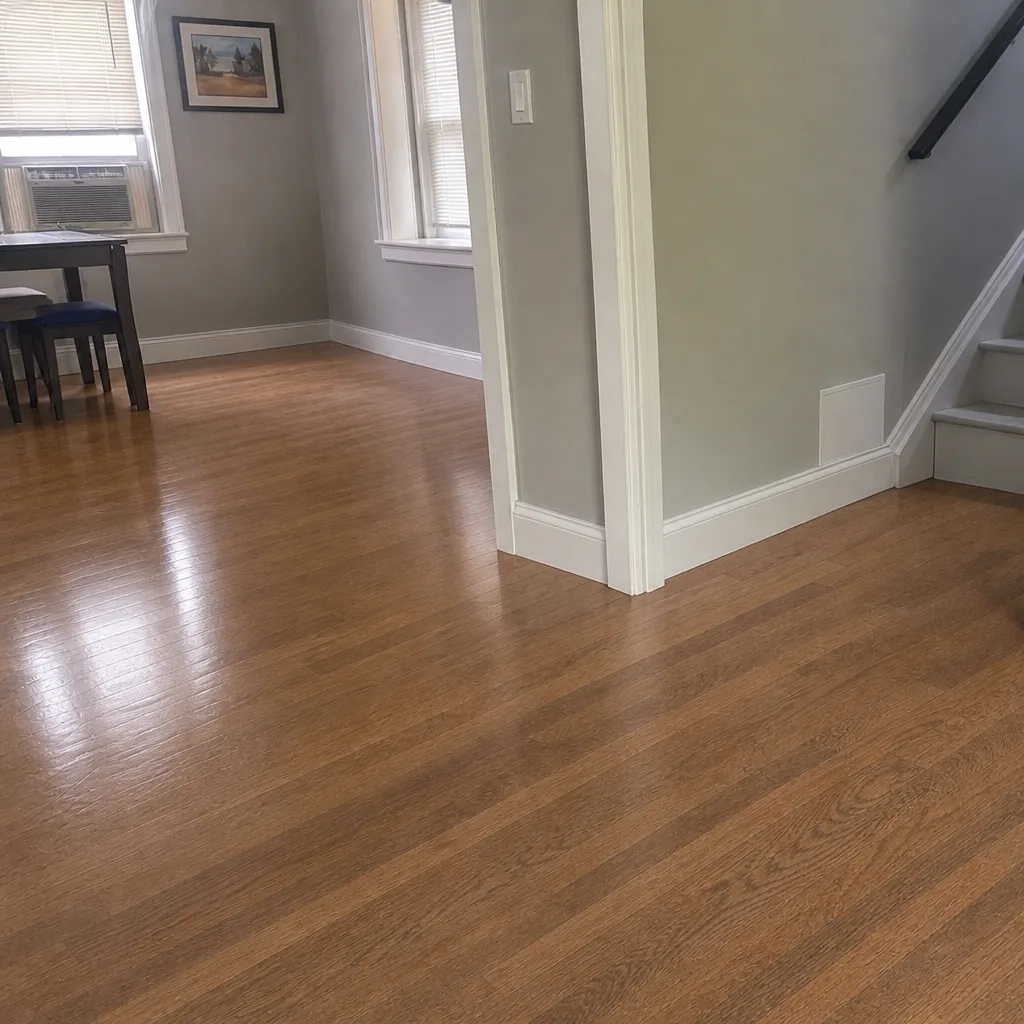 After
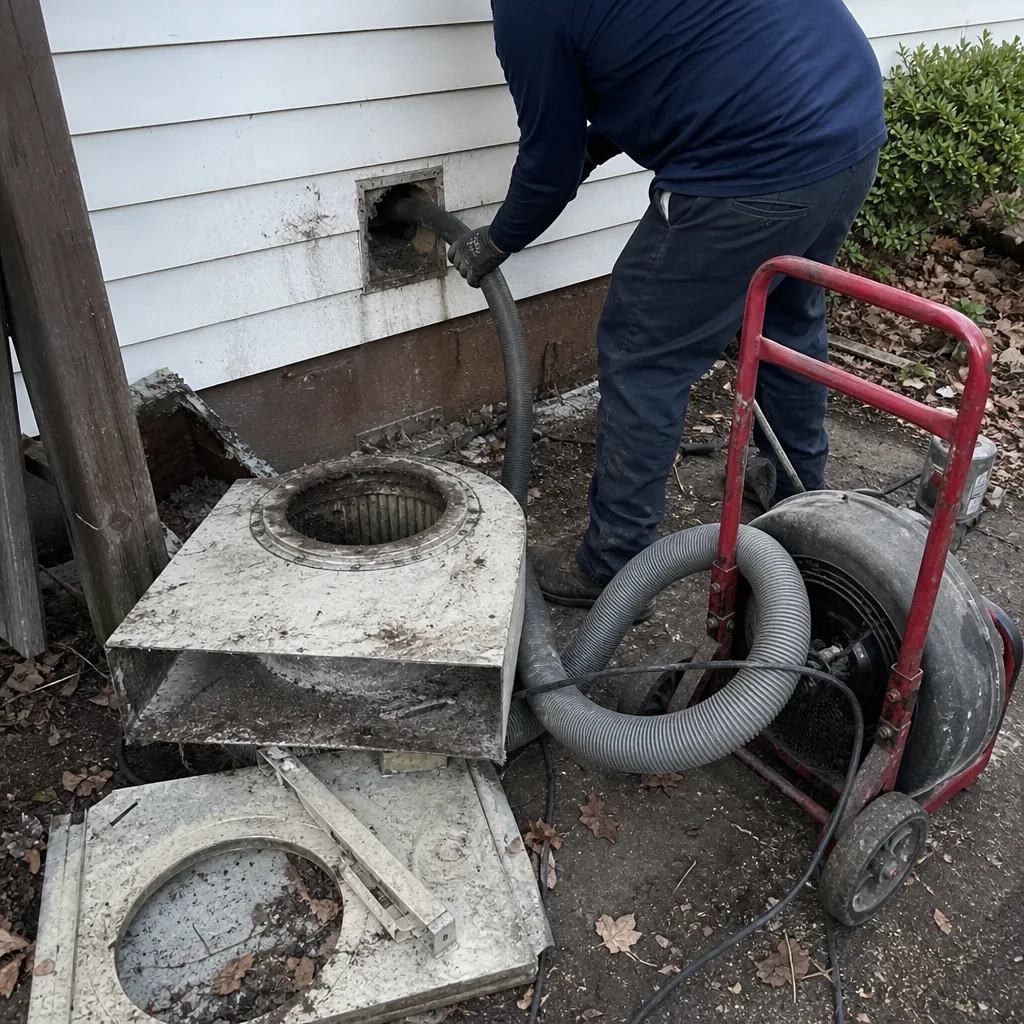 Before
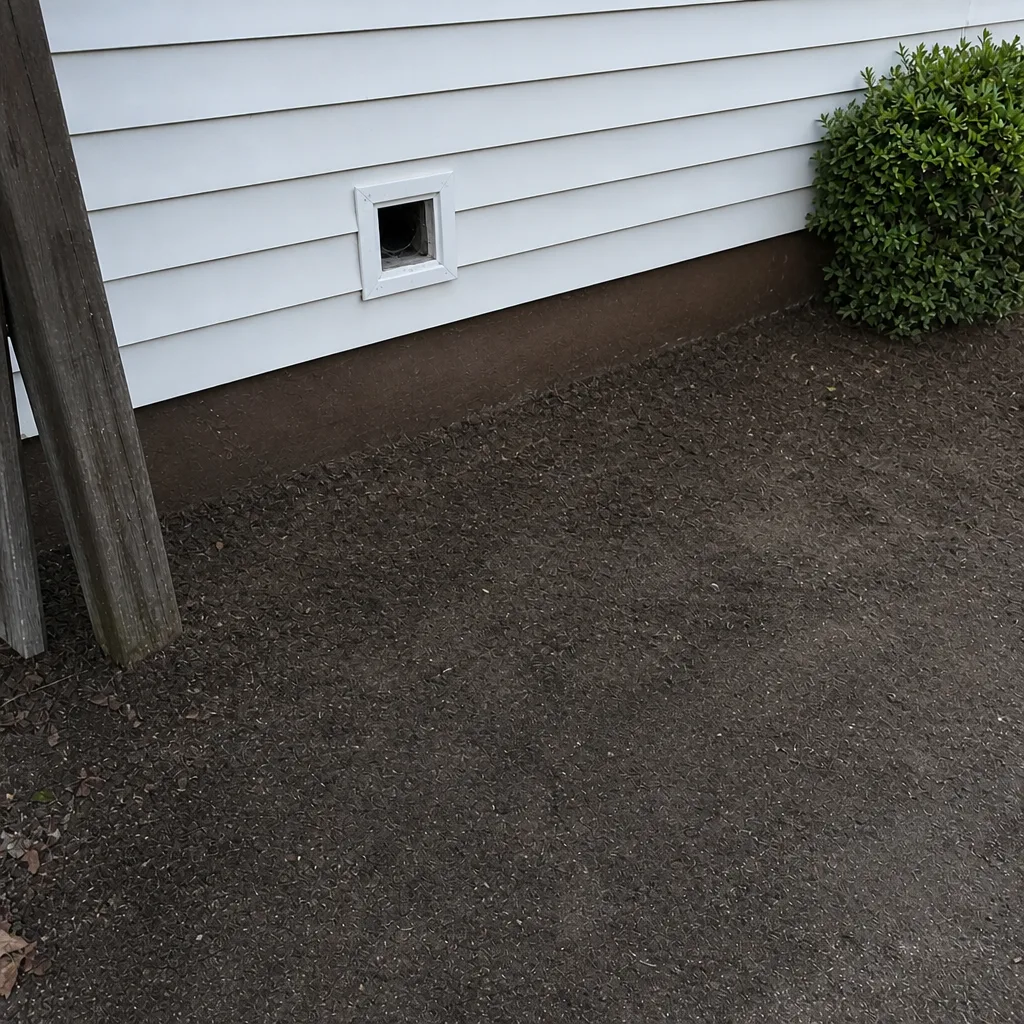 After
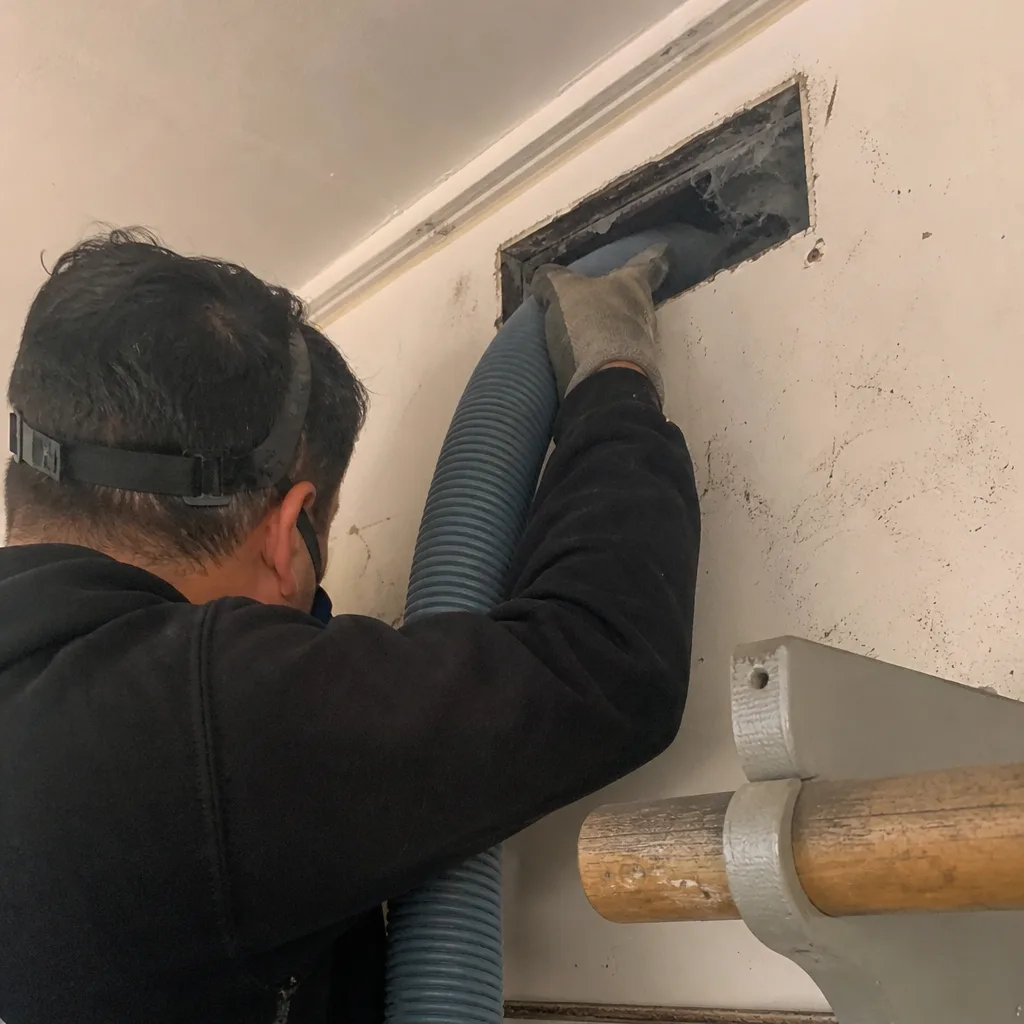 Before
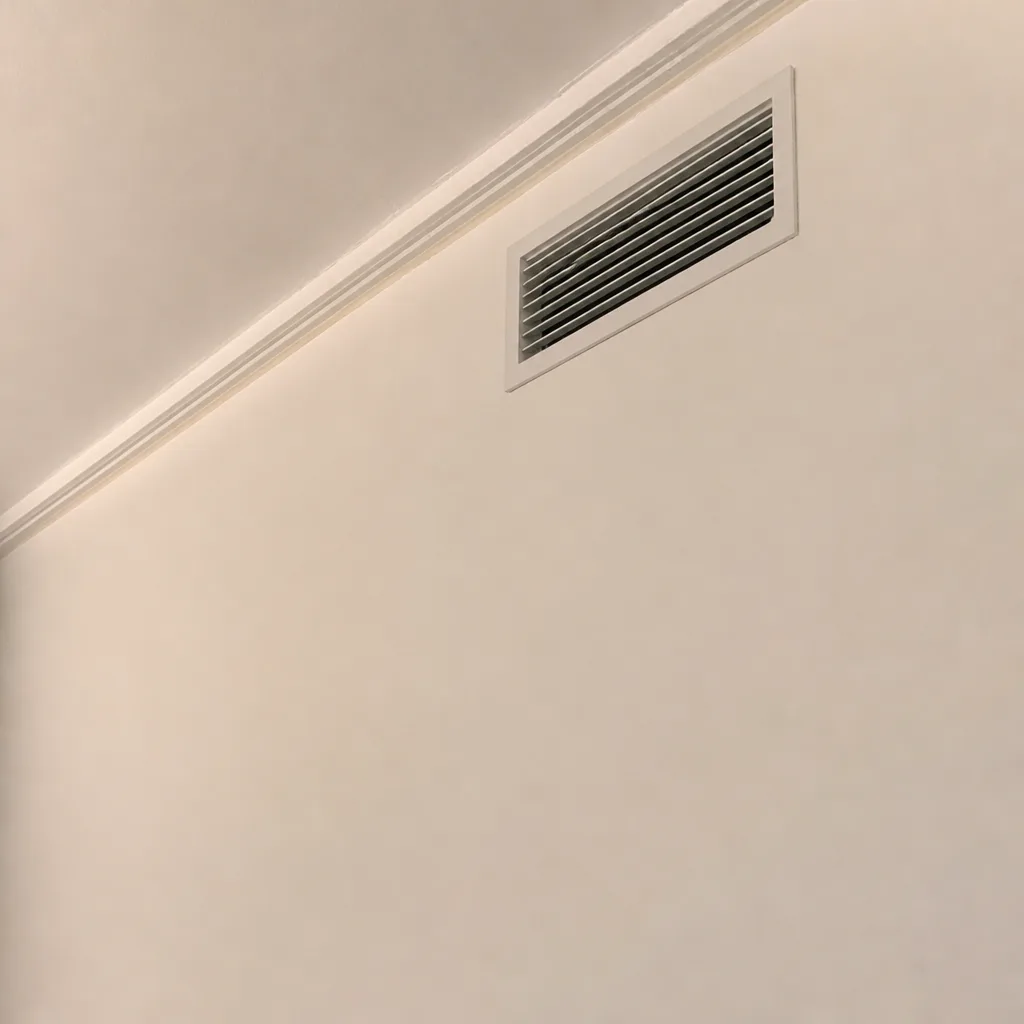 After
When to Call a Professional
Not every home needs duct cleaning on a schedule, and a lot of the general “clean every year” advice is really marketing. Call a professional when you have a reason.
You should get an estimate if you’re seeing visible dust streaks near registers, if a family member has developed a persistent cough or allergy symptoms that seem tied to the house, if your HVAC bill has crept up without an obvious cause, or if you’ve recently finished a renovation that generated drywall dust. Dryer vents are different – if you can’t remember the last time the lint trap route was cleaned, or if a load of laundry takes two cycles to dry, that’s a safety issue worth addressing before anything else. Reach out if your home is over 10 years old and has never had the ducts inspected. Corona Air Duct Cleaning offers free estimates in Corona – call (866) 937-7810.
Frequently Asked Questions
Rotobrush, Nikro, and Abatement Technologies are all professional-grade names used in residential and remediation work, but the specific brand matters less than the category. Look for an integrated brush-and-vacuum system, a collection machine that maintains negative pressure, and inspection cameras. Any contractor holding all three is working at the level you want. Ask for make and model before booking.
Yes, because equipment decides what the contractor can physically do. A low-CFM portable unit can’t maintain negative pressure across a whole-house duct run, so loosened debris can drift back into the space. An integrated brush-vacuum system captures debris at the moment it’s agitated, so less of it returns to the air. Call (866) 937-7810 for an exact quote – estimates are free.
Whole-home duct cleaning in Corona typically runs into the several-hundred-dollar range for a standard residential system, with pricing adjusted for square footage, number of returns, and whether repair and sealing are included. We price per system by written estimate – one flat price per system agreed before work starts, no per-vent pricing. Call (866) 937-7810 for an exact quote – estimates are free.
Cheaper quotes usually reflect cheaper equipment and shorter job time. A company with a consumer-grade shop vac can charge a fraction of what an operator running Rotobrush or Nikro systems charges, because the capital and labor required are a fraction of what ours are. If you can’t get a straight answer about CFM or filtration class, the cheaper quote is telling you where the difference is. Call (866) 937-7810 for an exact quote – estimates are free.
Ask for before-and-after camera images from inside your own ductwork, and a written summary of what was cleaned – number of supplies, returns, air handler, and whether the coil was touched. Registers that look clean from the outside prove nothing. A contractor with inspection cameras will have documentation to show. Call (866) 937-7810 – estimates are free.
Every two to three years for most Corona homes, shorter if you have pets, if a household member has respiratory sensitivity, or if your home is older and unsealed. Newer, well-sealed systems with no signs of contamination can go longer. The honest answer is: clean when you have a reason, not on a calendar. Call (866) 937-7810 for an assessment.
Not directly, but a company that owns full remediation-level equipment usually does the connected work too. Ask explicitly whether they offer duct repair and sealing alongside cleaning, and whether they inspect for leaks during the visit. If they refer it out, you’re getting half the value of the cleaning. Call (866) 937-7810 for an exact quote – estimates are free.
It means very little by itself. The phrase covers a range from a HEPA shop vac to a truck-mount with high-volume negative pressure, and those tools are not comparable. Ask for make, model, CFM, and filtration class before you sign anything. A contractor willing to answer those questions by name is telling you they run real equipment. Call (866) 937-7810 for an exact quote – estimates are free.
The Bottom Line
Brand of equipment is the closest thing to an honest capability proxy in duct cleaning. Integrated brush-vacuum systems like Rotobrush prevent aerolization during the job. Nikro negative-air systems keep the duct under true negative pressure. Abatement Technologies equipment delivers remediation-grade filtration when the home calls for it. Full-system work – air duct cleaning paired with repair, sealing, and sanitizing – is what makes the result hold. If you want a cleaning you can verify, ask for make, model, CFM, and camera documentation. Reach our team through Corona Air Duct Cleaning for a free estimate. We answer 24/7. Fast dispatch from 7am to 7pm, Sunday through Friday.
Call (866) 937-7810 today for a free estimate. The local pros we connect you with are licensed and insured as their state requires. One flat price per system, agreed before work starts. Before-and-after photos of your own ducts. Answers about the equipment before you book.
Written by the team at Corona Air Duct Cleaning.