
Last updated November 22, 2026
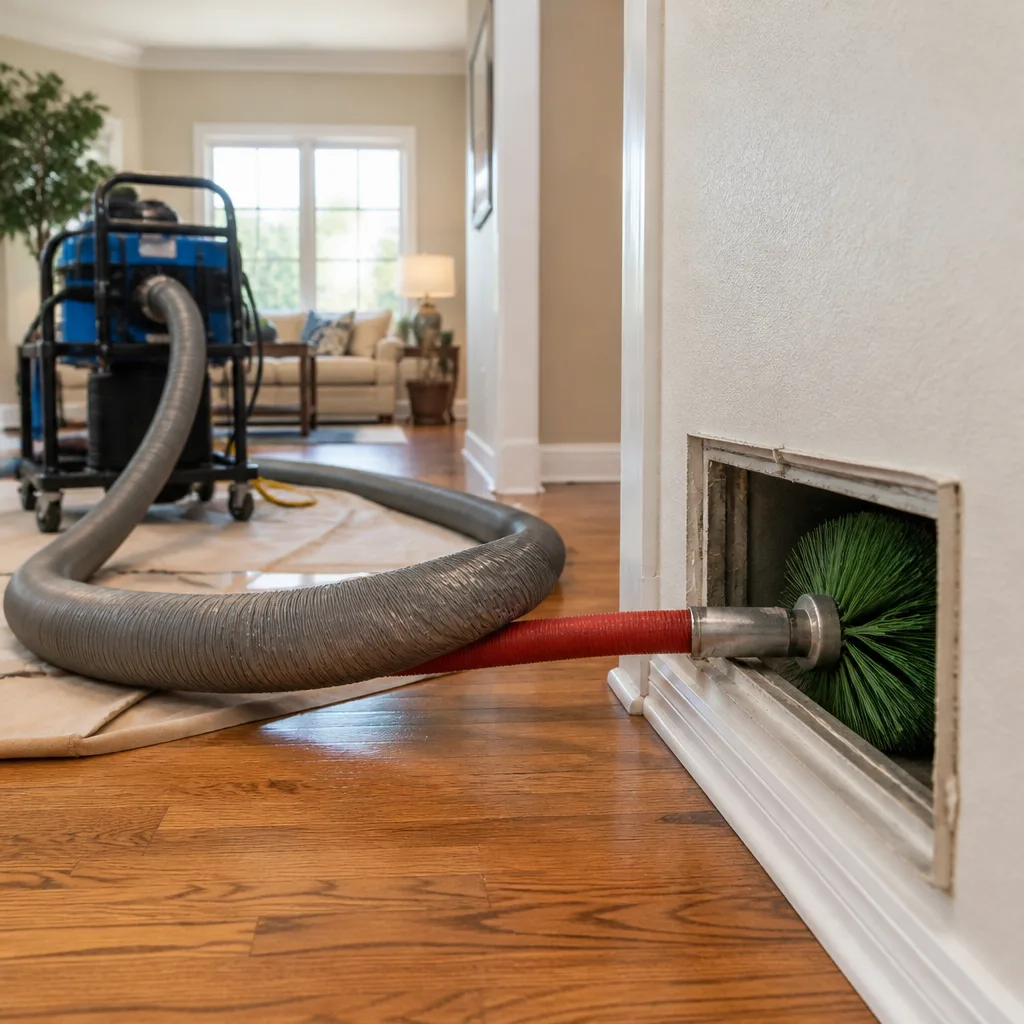 Whole-home duct cleaning
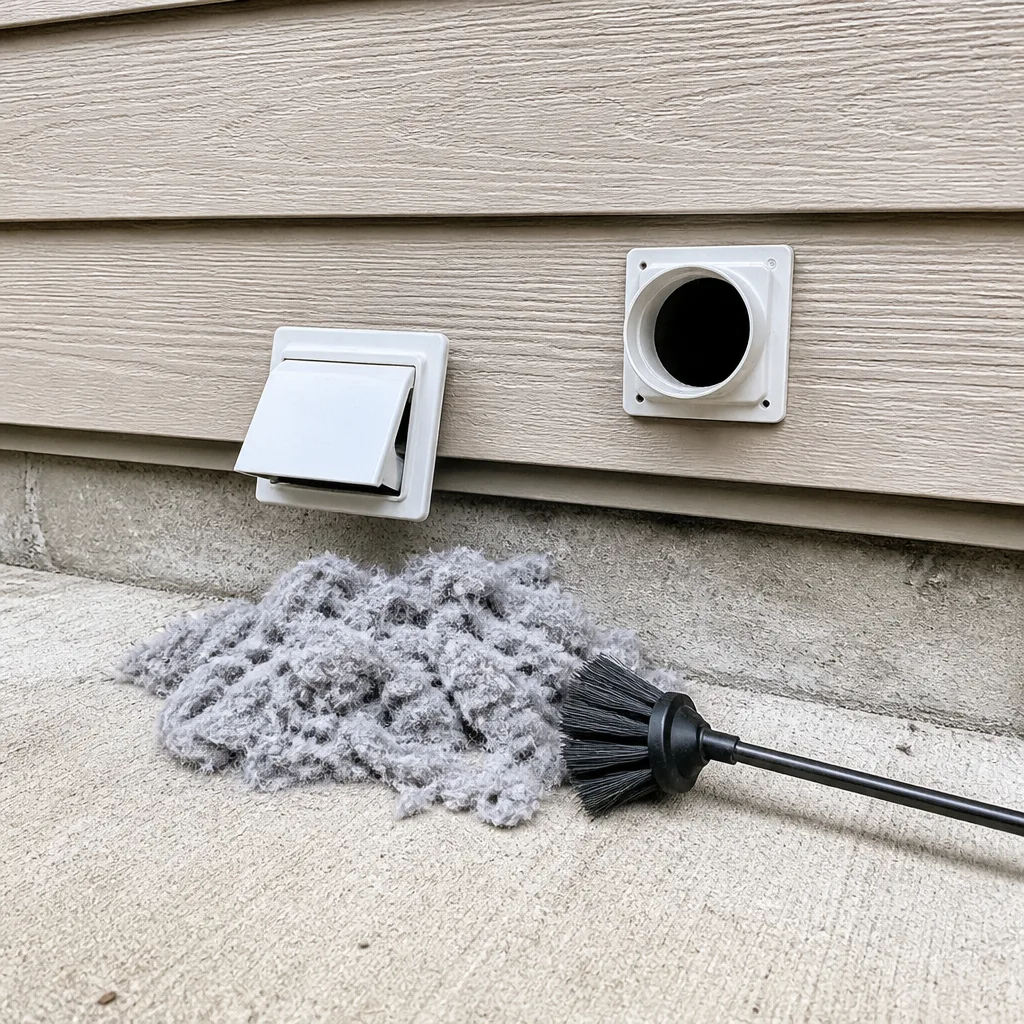 Dryer vent cleaning
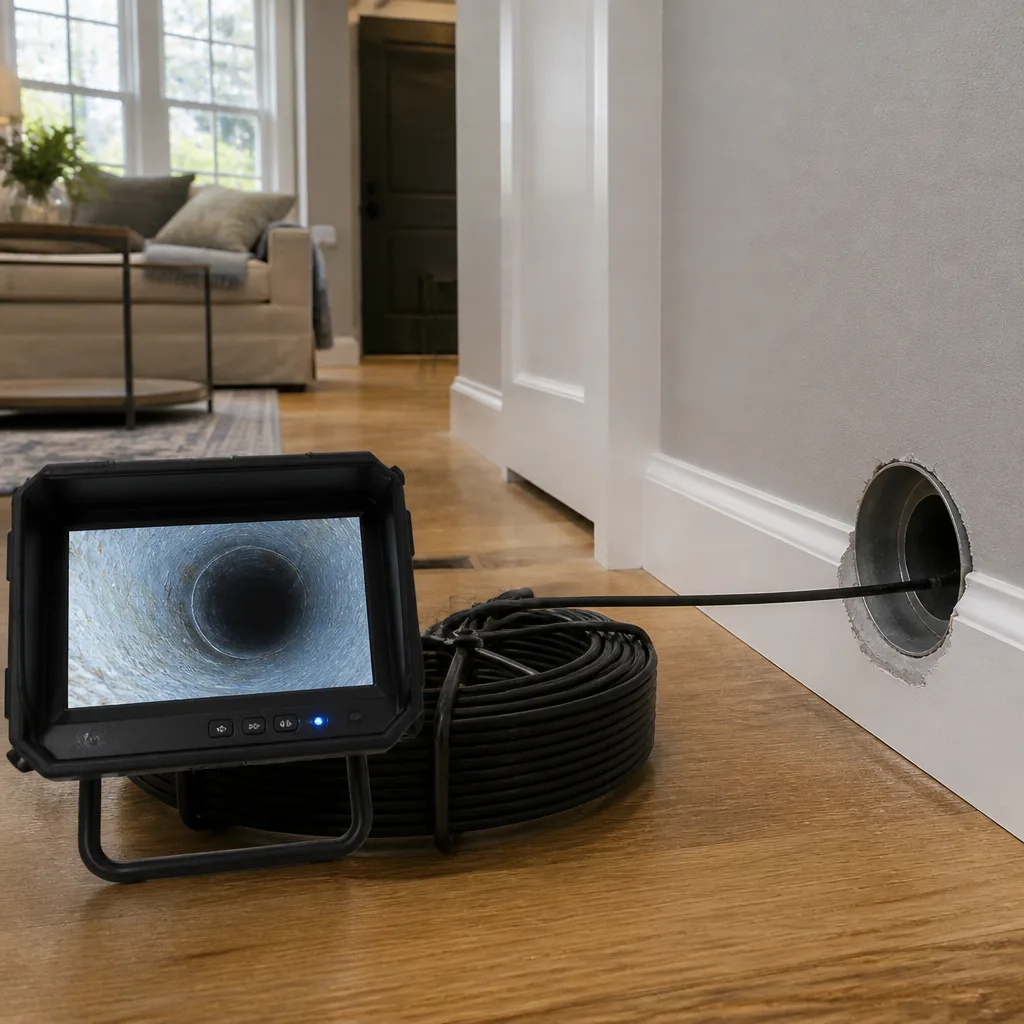 Camera inspection
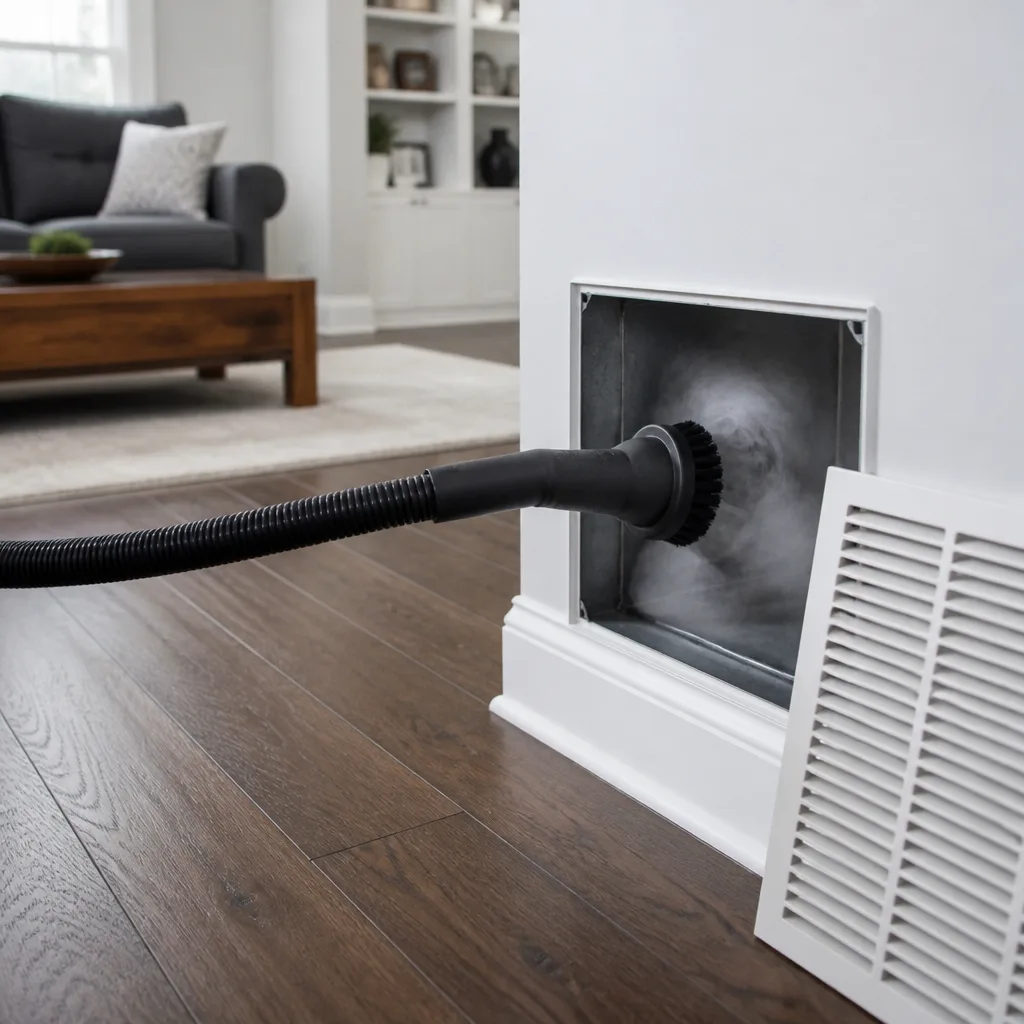 Sanitizing & deodorizing
Whole-system duct and dryer vent check with before-and-after photos - you see exactly what came out of your vents
That "$99 whole-house special" is a bait ad - the real number appears once they are in your hallway, or the "clean" is a shop-vac at the register. We photograph the inside of your ducts before and after instead.
Air Duct Cleaning Troubleshooting in Corona: Common Problems and How to Fix Them
If your ducts were cleaned six months ago and dust is already coating the vent covers again, the cleaning didn’t fail. Your system is telling you that something wasn’t diagnosed correctly the first time. Recurring dust, weak airflow, and musty odors are rarely separate problems. They’re usually symptoms of a system-level failure, and a vacuum hose can’t fix a system-level failure no matter how powerful it is. This guide is about reading your HVAC system’s signals before you schedule anyone. We’ll walk through how to tell duct contamination apart from filter bypass, coil fouling, and duct leakage, what a musty smell after cleaning actually means, and the diagnostic checks a qualified contractor in Corona should run before the equipment comes off the truck.
Quick Answer
Most air duct cleaning “problems” in Corona come down to one of four root causes: filter bypass, coil fouling, duct leakage, or physical duct damage like collapsed flex runs. Each one produces similar symptoms, and each needs a different fix. A proper diagnosis comes before cleaning, never after. If a contractor quotes a cleaning without running a pressure or airflow check first, you’ve found the reason contaminants keep coming back.
Styles & brands we work with
- Whole-home duct cleaning
- Dryer vent cleaning
- Camera inspection
- Sanitizing & deodorizing
Table of Contents
- How do you read your system’s symptoms before you book a cleaning?
- How do you tell duct contamination apart from filter bypass and coil fouling?
- What do persistent musty odors after cleaning actually indicate?
- How do you test for duct leakage before assuming you need a cleaning?
- Why is your airflow weak after a cleaning?
- What should a contractor check before touching a vacuum hose?
- When does the fix require repair and sealing, not another cleaning?
- Common mistakes to avoid
How do you read your system’s symptoms before you book a cleaning?
A symptom tells you something is wrong. It doesn’t tell you what. That distinction matters because in Corona, the same three complaints show up on almost every call: dust returning quickly, uneven airflow between rooms, and an odor that wasn’t there before. Homeowners usually assume all three point to dirty ducts. Often they don’t.
Start by mapping the symptom to where it originates. Dust on a supply register can come from the duct itself, or it can come from a return that’s pulling unfiltered air past a poorly fitted filter. Uneven airflow in a two-story home can be a balancing problem, a collapsed flex line, or a blockage at the plenum. An odor can be microbial growth upstream at the air handler, or it can be the duct liner breaking down. None of those are solved by cleaning alone.
Here’s a simple way to sort your own symptoms:
- Dust collects on supply registers within weeks of a cleaning. This usually points to filter bypass or leakage, not dirty branch ducts. If the filter isn’t sealing to its frame, dust enters downstream of it and rides the supply air back into every room.
- One room is always weaker than the rest. A single weak branch points to that run, not the whole system. Look for a kinked or collapsed flex duct before you suspect the trunk line.
- The whole house feels underpowered. A system-wide airflow drop points to the air handler, the plenum, or the coil. That’s a mechanical issue, not a cleanliness issue.
- There’s an odor only when the system runs. Odor that appears on startup and fades points to something growing or failing in the airstream, most often at the coil or in the duct lining.
- Dust appears around the outside of the return grille. That’s a sign of a pressure imbalance pulling air through gaps, and it points to leakage rather than contamination.
Spend a week watching your system before you call anyone. Note which rooms are coolest and warmest, whether dust appears evenly or in one area, and when the smell shows up. That pattern is the most useful information a technician can get from you, and it’s the fastest way to separate a real cleaning job from a repair job. Corona homes tend to be older stock with a mix of duct types, so hearing the pattern up front keeps the diagnosis honest.
How do you tell duct contamination apart from filter bypass and coil fouling?
These three conditions look almost identical from inside your living room, and they need completely different work. Contamination lives inside the ductwork and gets removed. Filter bypass lives at the filter slot and gets sealed. Coil fouling lives on the evaporator coil and gets cleaned at the equipment. If you clean the ducts but don’t fix bypass or fouling, dust returns within weeks and the coil keeps breeding odors.
Duct contamination
Real contamination means the inside of the ducts has accumulated debris: settled dust, construction residue, or biological growth on a damp surface. You’ll see it as a consistent dust film on every supply register, not just one. The floor registers in a Corona finished basement tend to show it first because they sit closest to the trunk and collect whatever settles. Contamination is the only one of the three that a proper cleaning removes outright.
Filter bypass
Filter bypass is the most missed diagnosis in the trade and the cheapest to fix. It happens when air slips past the edges of the filter because the filter isn’t the right size, the frame is bent, or someone installed a filter with no gasket seal. Every cubic foot of air that bypasses the filter carries dust straight into the coil and the supply ducts. You can test it yourself: pull the filter and look at the frame. If the frame has dust trails around the outside where the filter should be covering, you have bypass. A contractor fixes this with a proper filter frame and correct sizing, sometimes a higher-MERV media cabinet, not by cleaning.
Coil fouling
The evaporator coil sits wet for much of the cooling season, and wet surfaces collect dust. Once a coil is fouled, it restricts airflow, loses efficiency, and becomes a surface for biological growth. That’s why a coil can smell musty and keep feeding an odor into the ducts even after the ducts are cleaned. Coil cleaning happens at the air handler, and a technician who skips it is cleaning the symptom and leaving the cause in place.
The order matters: diagnose bypass and coil condition first, clean the system second, seal the envelope third. That’s the sequence that actually stops dust from returning. A duct cleaning that starts without a filter and coil check in Corona is a cleaning with a built-in redo.
What do persistent musty odors after cleaning actually indicate?
A musty smell that comes back after a cleaning almost always means the source is upstream of the ducts, not inside them. The two most common locations are microbial growth at the air handler and degradation of the duct liner itself. Neither is fixed by running a vacuum through the branch runs.
Microbial growth at the air handler usually lives on the coil, the condensate pan, or the interior cabinet walls. The cavity stays damp because condensate drains slowly or because the pan holds standing water. A wet surface plus circulating air equals odor that comes back no matter how many times the ducts are cleaned. The fix is cleaning and sanitizing the air handler and correcting the moisture source, which is why we treat HVAC cleaning as a separate service from duct cleaning rather than an upsell.
Duct liner breakdown is the second cause, and it’s more common in older Corona homes than homeowners expect. Some duct systems, especially in finished basements and attics, are lined with acoustic fiberglass inside the sheet metal. Over time that liner can fray, sag, or absorb moisture, and once it starts degrading it releases fibers and holds odor. Cleaning can’t restore it. When the liner is failing, you’re looking at repair or replacement of the affected section, sometimes interior duct encapsulation.
Here’s how to think about it:
- Smell at startup, fading over time: likely coil or pan growth feeding the airstream.
- Smell concentrated around one register: likely that branch’s liner or a localized moisture issue.
- Smell through the whole house and worse in humid weather: likely system-wide microbiological growth that needs equipment-level cleaning and sanitizing.
If the smell survives two cleanings, stop paying for cleanings. Get a diagnosis at the equipment.
How do you test for duct leakage before assuming you need a cleaning?
Duct leakage is what pulls unfiltered air into the system in the first place, and in Corona it’s the single most under-diagnosed cause of recurring dust. Leaky return ducts in an attic or garage pull in whatever air surrounds them, including insulation particles and outside dust. Clean the ducts and the leaks just refill them. Test for the leaks first.
The standard test is a pressure differential measurement. The contractor seals the registers, pressurizes the duct system with a calibrated fan, and measures how much air escapes for a given pressure. A tight system holds pressure; a leaky one drops fast. This test tells you the size of the leak before anyone touches a vacuum, and it gives you a number to compare against after sealing.
You can get a rough sense yourself with three simpler checks:
- The tissue test at the return. Hold a tissue near the gaps where the return box meets the duct. If it flutters or pulls inward, air is being drawn through that gap.
- The attic and garage inspection. Look at the duct joints you can reach. Visible gaps at seams, disconnected flex collars, or tape that’s peeling all point to leakage.
- The room-by-room temperature check. Rooms that are consistently warmer or cooler than the rest of the house often sit on a leaky or long branch run.
A real leak test gives you a number. That number matters because it tells you whether you’re looking at a $200 fix or a bigger repair, and it lets you verify the work later. Cleaning without leakage testing is guesswork, and guesswork is why so many homeowners clean twice. Our air duct cleaning visits start with the leak question for exactly that reason.
Why is your airflow weak after a cleaning?
Weak airflow after a cleaning usually means the cleaning addressed dirt and missed a physical restriction. The most common culprits are a collapsed flex duct and a blockage at the plenum. Both sit outside the branch runs that got vacuumed, and both choke the system regardless of how clean the ducts are.
Collapsed flex duct
Flexible duct can sag, kink, or collapse where it’s poorly supported or where it turns sharply. In an attic that gets hot in summer, the outer jacket can soften and the inner liner can flatten. A collapsed run doesn’t leak, doesn’t smell, and doesn’t show dust at the register. It just delivers almost no air, so the room on the end of that run stays stuffy. Homeowners often mistake it for a dirty branch and ask for another cleaning.
Plenum blockage
The plenum is the big box where the air handler connects to the trunk line. If a mechanical damper, an old filter frame, or a fallen piece of liner is sitting inside it, the whole system starves for air. You’ll feel it as a system-wide weakness, not a single-room issue. Plenum problems are found by inspection, not by cleaning.
Sizing and balancing
Sometimes the airflow was never right. A branch that’s undersized, a return that’s too small for the equipment, or a supply register that’s closed off all restrict flow. A qualified contractor checks static pressure at the air handler to confirm whether the system is starving for return air, then corrects the cause rather than the symptom.
- Measure static pressure at the air handler to rule out system-wide restriction.
- Check the plenum for obstruction and confirm the return is properly sized.
- Inspect each weak branch for kinks, collapse, and poor support.
- Only then decide whether cleaning is part of the fix. If the branch is collapsed, it needs repair, not a vacuum.
If the airflow was weak before the cleaning and still weak after, the cleaning wasn’t the answer. The restriction was.
What should a contractor check before touching a vacuum hose?
A qualified contractor runs a diagnostic sequence before any equipment comes off the truck. The sequence matters because it determines which service is actually needed, and it protects you from paying for a cleaning that won’t solve the problem. This is the checklist we’d expect any honest operator to run in Corona.
- Confirm the complaint in your words. Which rooms, when, and how long after the last cleaning. The pattern tells you where to look first.
- Inspect the filter and frame. Correct size, correct seating, no bypass gaps. This single check catches the most common cause of recurring dust.
- Examine the evaporator coil and condensate pan. Look for dust loading, standing water, and biological growth that would feed an odor.
- Measure static pressure at the air handler. This separates a system-wide airflow problem from a single-branch problem.
- Perform a duct leakage test. Pressure differential tells you whether leaky returns are pulling dust in and how big the leaks are.
- Inspect accessible ductwork. Seams, collars, flex support, and duct liner condition. Look for collapse, disconnection, and liner degradation.
- Photograph the findings. Before and after photos of what was actually found, so you see what the technician sees.
Only after those steps does a contractor know whether the job is cleaning, repair and sealing, sanitizing, or some combination. Our technicians have up to 15 years of experience, and the thing that separates a good diagnosis from a bad one is patience at this stage, not horsepower. The equipment we run, Rotobrush contact-vacuum systems and Nikro negative-air machines, is what does the cleaning work well, but the diagnosis comes first. Professional-grade equipment in the wrong sequence is just an expensive vacuum.
When we work through a Corona home, the sequence ends with a written scope: what was found, what will be done, and what it costs. That scope is where the real value sits, because it makes the difference between a cleaning that holds and one that repeats.
When does the fix require repair and sealing, not another cleaning?
Repair and sealing is the fix when the diagnosis finds leakage, collapse, or disconnection rather than contamination. Cleaning removes what’s already inside the ducts. Sealing keeps new contamination out and stops the energy loss that comes with a leaky system. The EPA estimates duct leakage causes 20 – 30% energy loss in a typical home HVAC system, and that loss shows up on every Corona electric bill during cooling season.
Repair and sealing covers three things cleaning can’t:
- Sealing leaks at joints, seams, and collars. Mastic and proper mechanical sealing close the gaps that let unfiltered air into the return and conditioned air out of the supply.
- Reconnecting and supporting disconnected or sagging runs. A flex duct that’s fallen off its collar or lost its support is a repair, and it stops delivering air straight down to the room.
- Addressing failing interior liner. When liner is shedding or holding moisture, the section needs repair or encapsulation. Cleaning speeds up the shedding if the liner is already failing.
Sanitizing belongs in the same scope when growth is present. We use Abatement Technologies equipment associated with HEPA-grade containment and remediation-level standards, and we work with IAQ product lines including Honeywell and Aprilaire, so the cleaning, the sealing, and the sanitizing get planned together rather than sold as separate visits. That’s the difference between treating a system and wiping a duct. Full-system work is the only way the dust stays gone.
Common Mistakes to Avoid
- Cleaning before diagnosing. A cleaning scheduled before the filter, coil, and leakage checks finds the dirt but misses the reason it’s there. In a Corona home with leaky attic returns, that means the ducts refill and you pay twice. Diagnose first, always.
- Skipping the coil because it’s not part of the ducts. The evaporator coil sits in the airstream and breeds odor when it’s fouled or wet. Cleaning the ducts while leaving a dirty coil is cleaning the symptom and leaving the cause.
- Ignoring a bent or bypassing filter frame. A filter that doesn’t seal lets dust past the media and back into the supply. It’s the cheapest problem to fix and the most common one we find, and most homeowners never look at the frame.
- Assuming weak airflow means dirty branches. A collapsed flex run or a blocked plenum restricts airflow while the duct itself is clean. Vacuuming a collapsed run doesn’t restore airflow; it just cleans a duct that isn’t delivering air.
- Judging a cleaning by how the vent covers look. Vent covers are the easiest thing to wipe and the least meaningful measure of duct work. Ask for before-and-after photos of the inside of the ducts and the coil, not the grille.
- Leaving leakage unaddressed after a cleaning. If the returns are pulling attic or garage air, cleaning the system just resets the clock. Sealing the leaks is what keeps the system clean.
- Treating a musty smell as a cleaning problem twice. If the odor survives a proper cleaning, the source is at the equipment or in the liner. Two cleanings for one odor means the diagnosis was wrong the first time.
See the difference
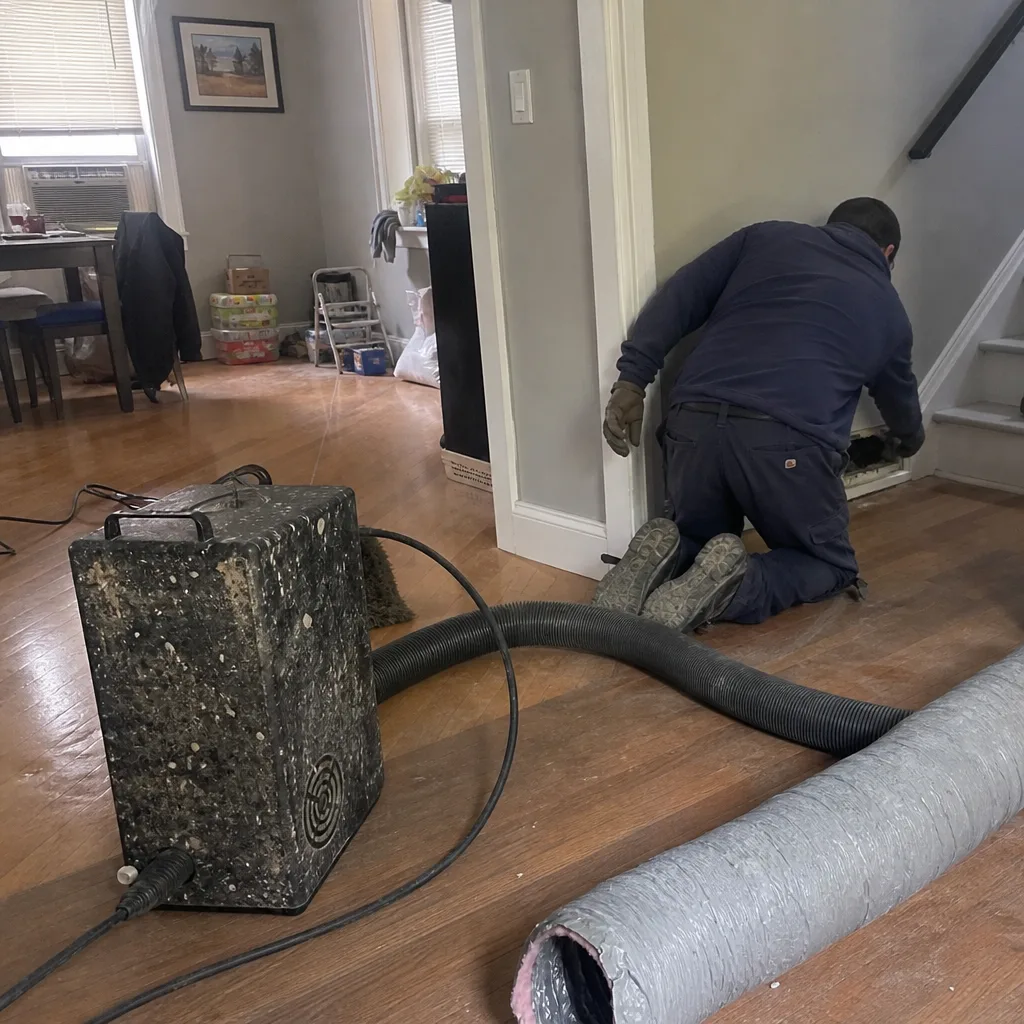 Before
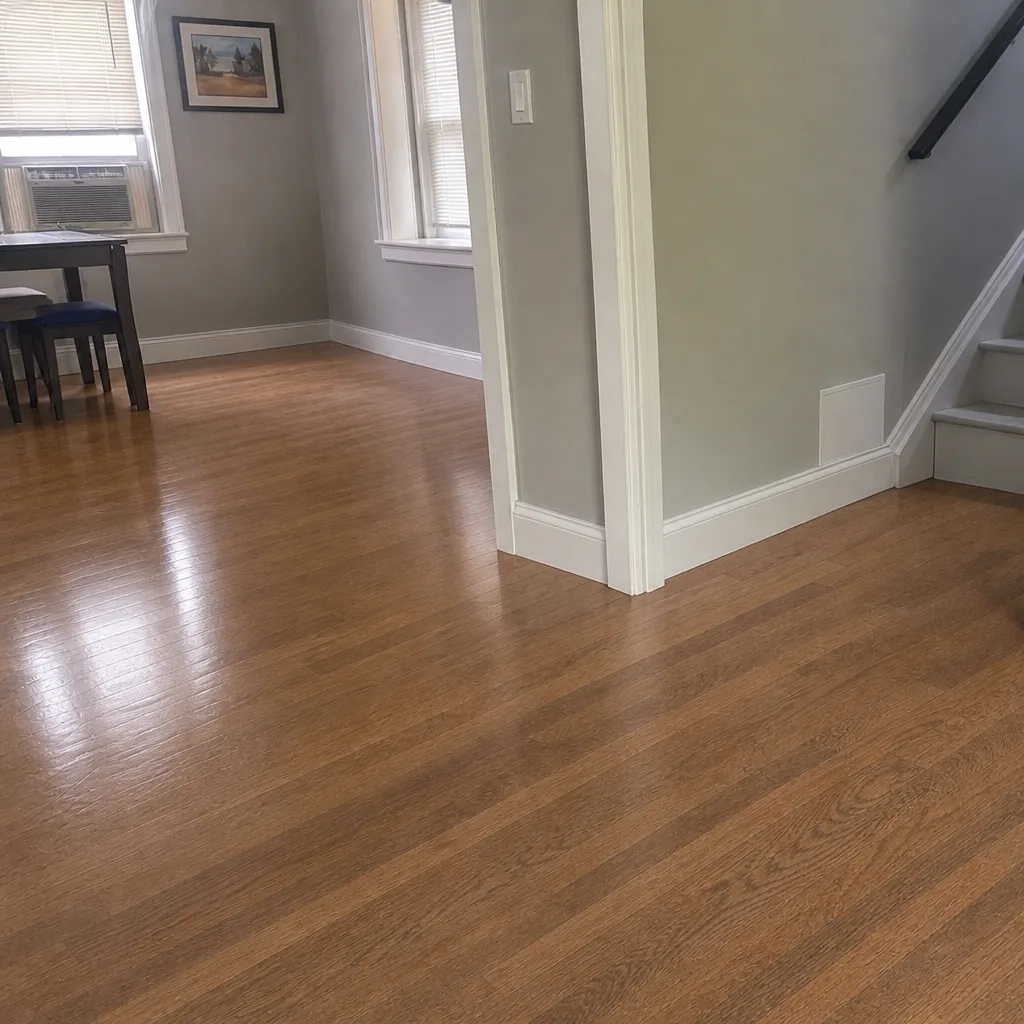 After
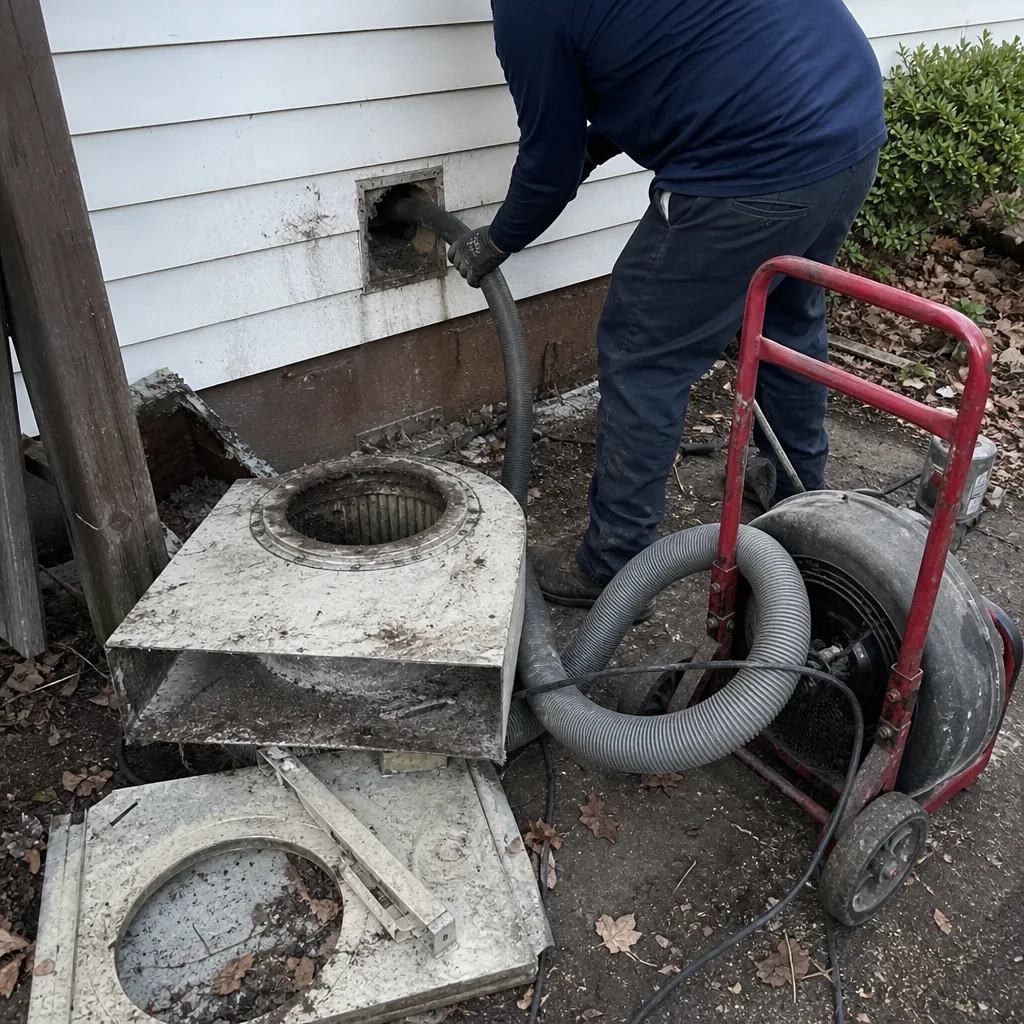 Before
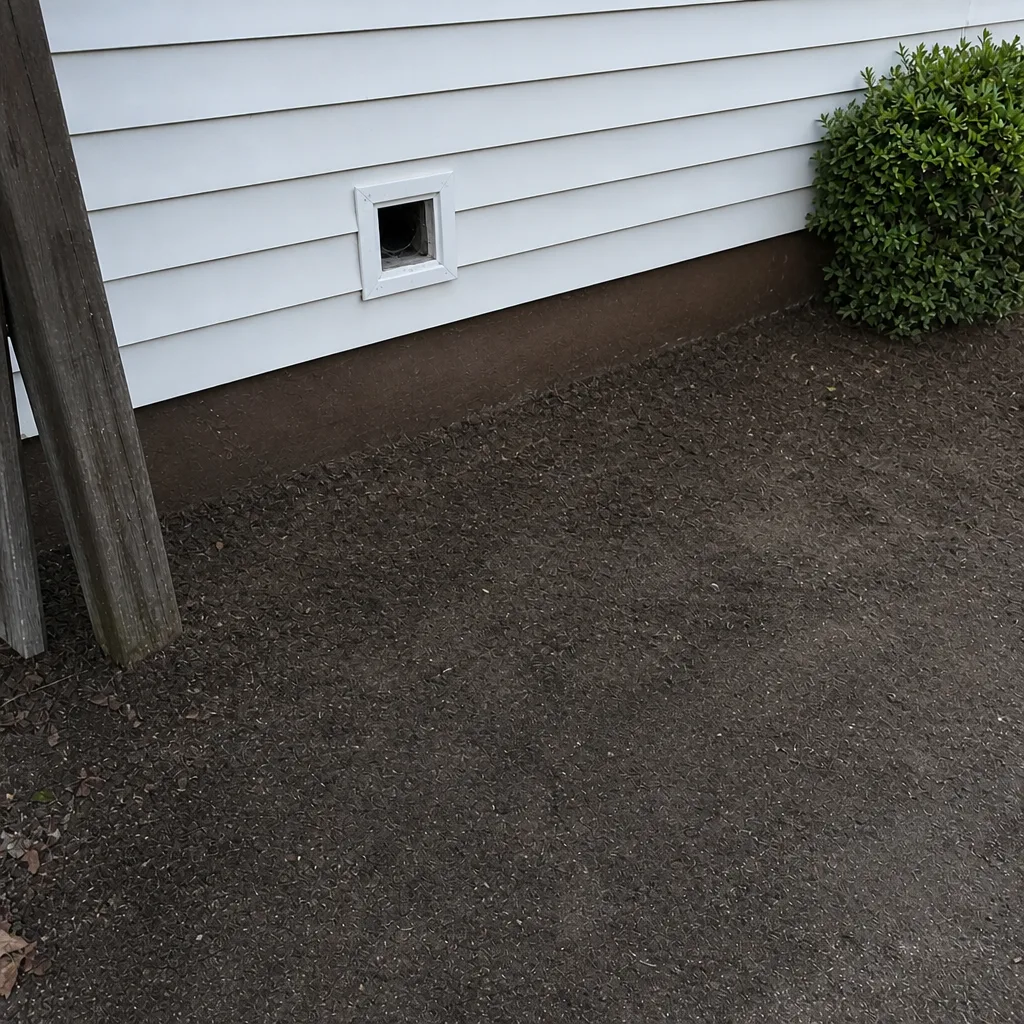 After
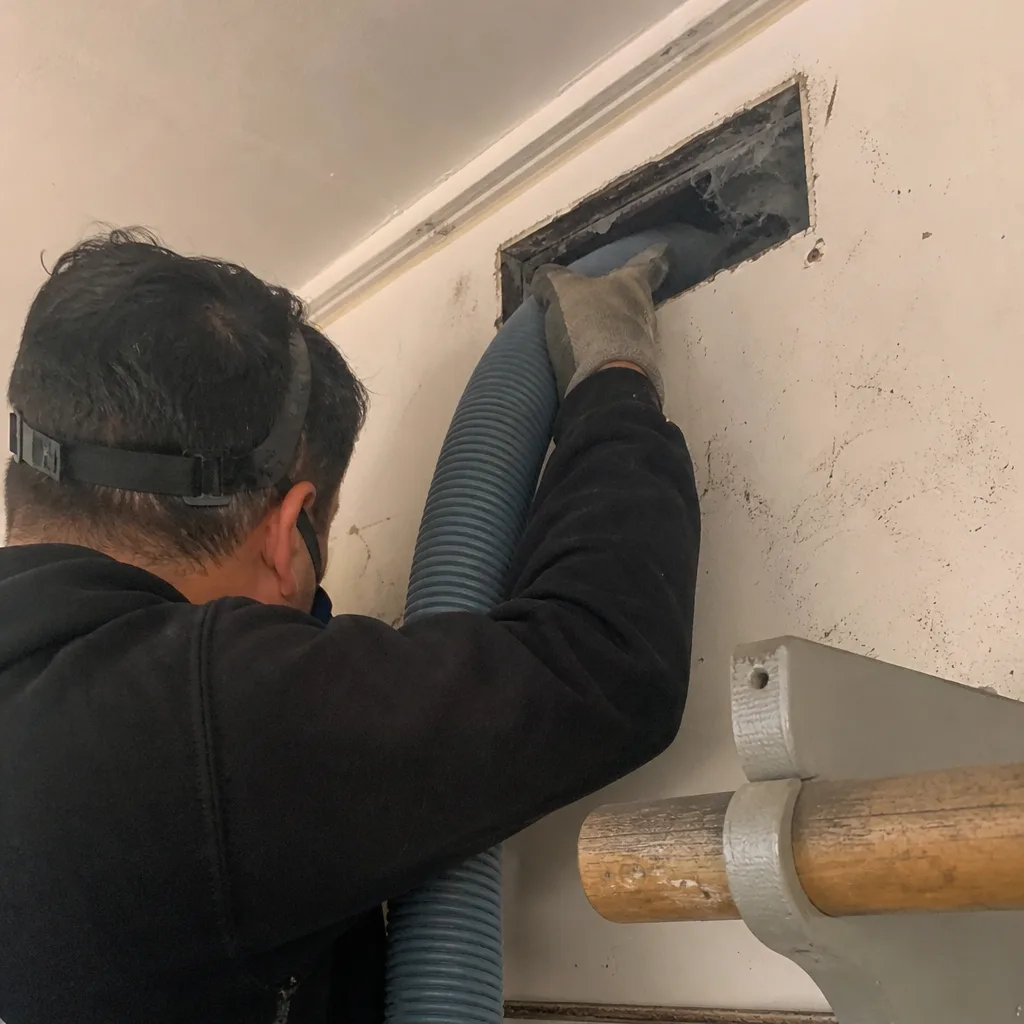 Before
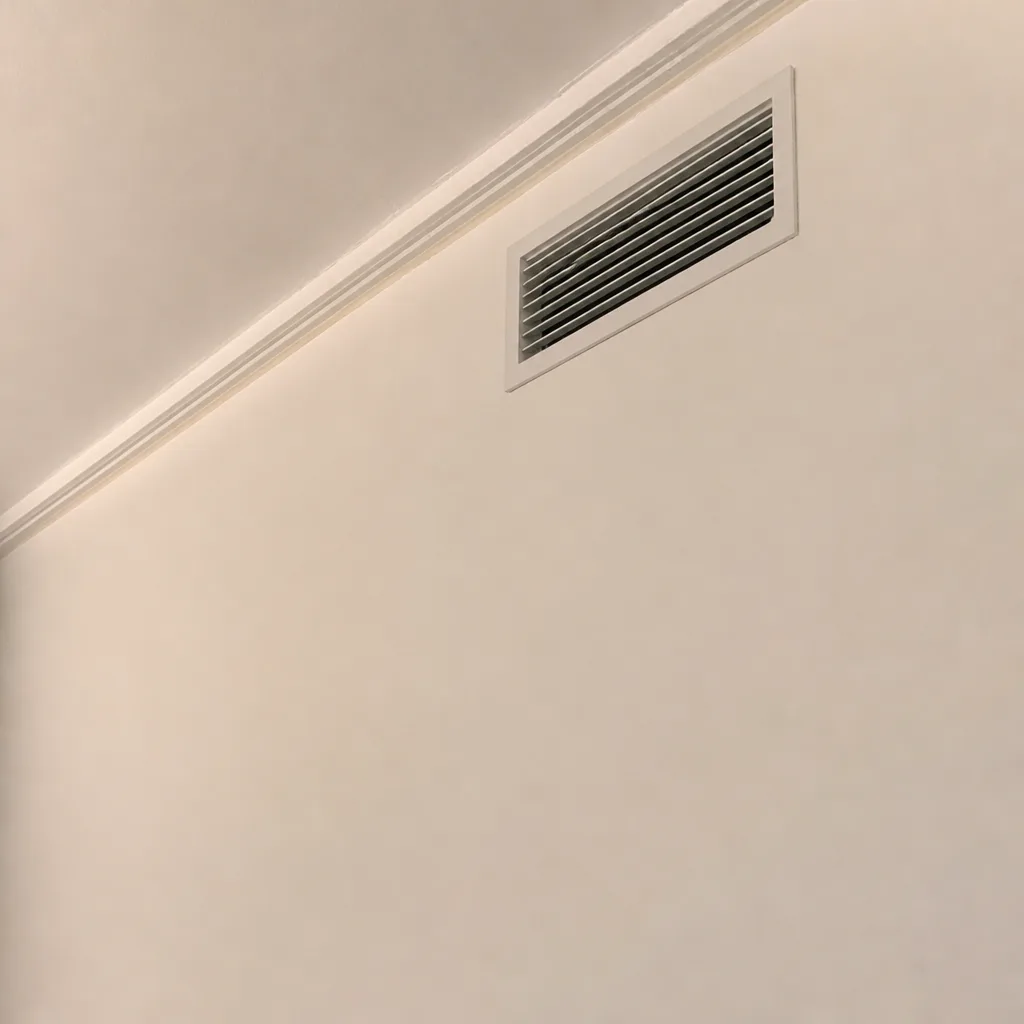 After
When to Call a Professional
Call a professional when the symptom pattern points to something you can’t safely inspect. Filter bypass, coil fouling, duct leakage, and collapsed flex duct all sit in attics, crawlspaces, and equipment cabinets where the work involves confined space, sharp edges, high temperatures, and electrical components. Handling the air handler or opening a coil cabinet near live wiring is not a homeowner job, and the diagnosis is where most of the value sits. Our team connects you with a licensed and insured local pro, and we work through the full scope: diagnosis, dryer vent cleaning for fire safety, duct repair and sealing, sanitizing, and the HVAC cleaning itself. Corona Air Duct Cleaning offers free estimates in Corona, and the written estimate sets the final price per job. Call (866) 937-7810 to book a diagnosis.
Frequently Asked Questions
Dust returns quickly because the cleaning didn’t address the source: filter bypass, duct leakage, or a fouled coil. When unfiltered air enters past a bad filter seal or through leaky return ducts, it carries dust straight back into the supply system. A proper diagnosis before cleaning is what prevents the return trip. Call (866) 937-7810 for an exact quote, and the estimate is free.
A musty smell after cleaning usually means the source is upstream of the ducts: microbial growth on the evaporator coil or condensate pan, or degrading duct liner inside the duct run. Neither lives in the branch ducts, so cleaning the branches won’t remove the odor. The fix is equipment-level cleaning and sanitizing plus correcting the moisture source. Call (866) 937-7810 for a free estimate.
The definitive test is a pressure differential measurement, where a contractor pressurizes the duct system and measures how much air escapes. As a rough check, look for dust trails around the filter frame seam, peeling tape at duct joints, and disconnected flex collars in the attic or garage. A leaky system pulls in unfiltered air, which is why the leak gets fixed before the cleaning. Call (866) 937-7810 to schedule a leak test, with free estimates.
Weak airflow in specific rooms usually comes from a collapsed or kinked flex duct, a disconnected run, or an undersized branch, not dirty ducts. A system-wide weakness points to a plenum restriction or a return that’s too small. Both are found by inspection and fixed by repair, not by more cleaning. Call (866) 937-7810 for a free estimate on the diagnosis.
Most homes don’t need cleaning on a fixed schedule. Clean when there’s evidence: visible contamination at the registers, an odor that traces back to the ducts, a recent renovation, or a system that’s never been serviced in a home you just bought. If you’ve cleaned twice and the problem is back, the issue isn’t frequency, it’s an undiagnosed cause. Call (866) 937-7810 for a free estimate.
Low quotes usually cover a surface pass: vacuuming the registers and the easy-to-reach branches without a diagnostic, coil check, or leakage test. The work looks quick because it skips the parts that keep the system clean. The written estimate, per job, is what tells you which scope you’re actually buying. Call (866) 937-7810 for an exact quote and a scope you can read.
The Bottom Line
Your HVAC system almost always tells you what’s wrong before anyone touches it. Recurring dust points to filter bypass or leakage. A returning musty smell points to the coil or the duct liner. Weak airflow points to a collapsed run, a plenum obstruction, or a sizing problem. None of those get solved by cleaning alone, and all of them get worse if you clean first and diagnose second. Read the symptoms, run the checks, then choose the service that matches the cause. That’s the sequence that keeps ducts clean in Corona and the one we work from on every visit. Corona Air Duct Cleaning handles the full scope, from cleaning to sealing to sanitizing.
Call (866) 937-7810. We answer 24/7. Fast dispatch from 7am to 7pm, Sunday through Friday. Free estimates, and the written estimate sets the price per job.
Written by the team at Corona Air Duct Cleaning.