
Last updated November 22, 2026
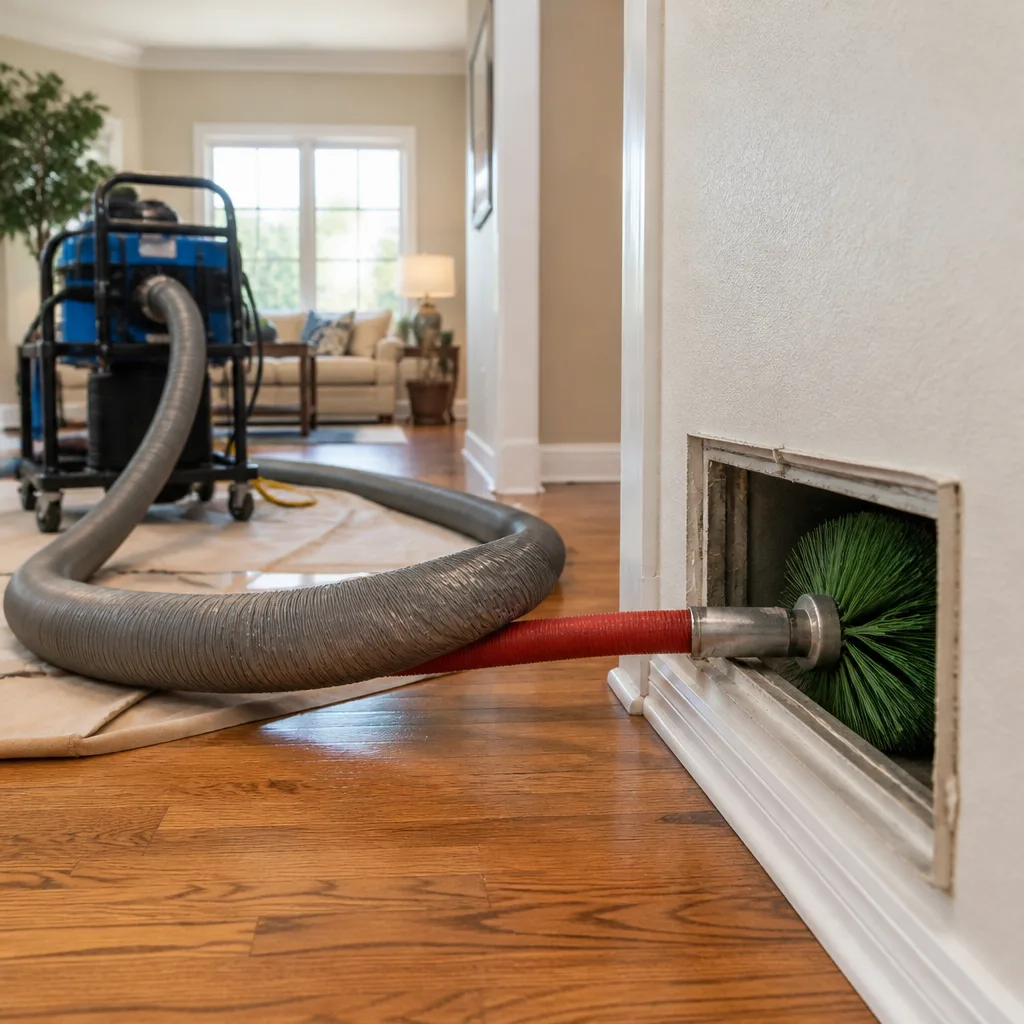 Whole-home duct cleaning
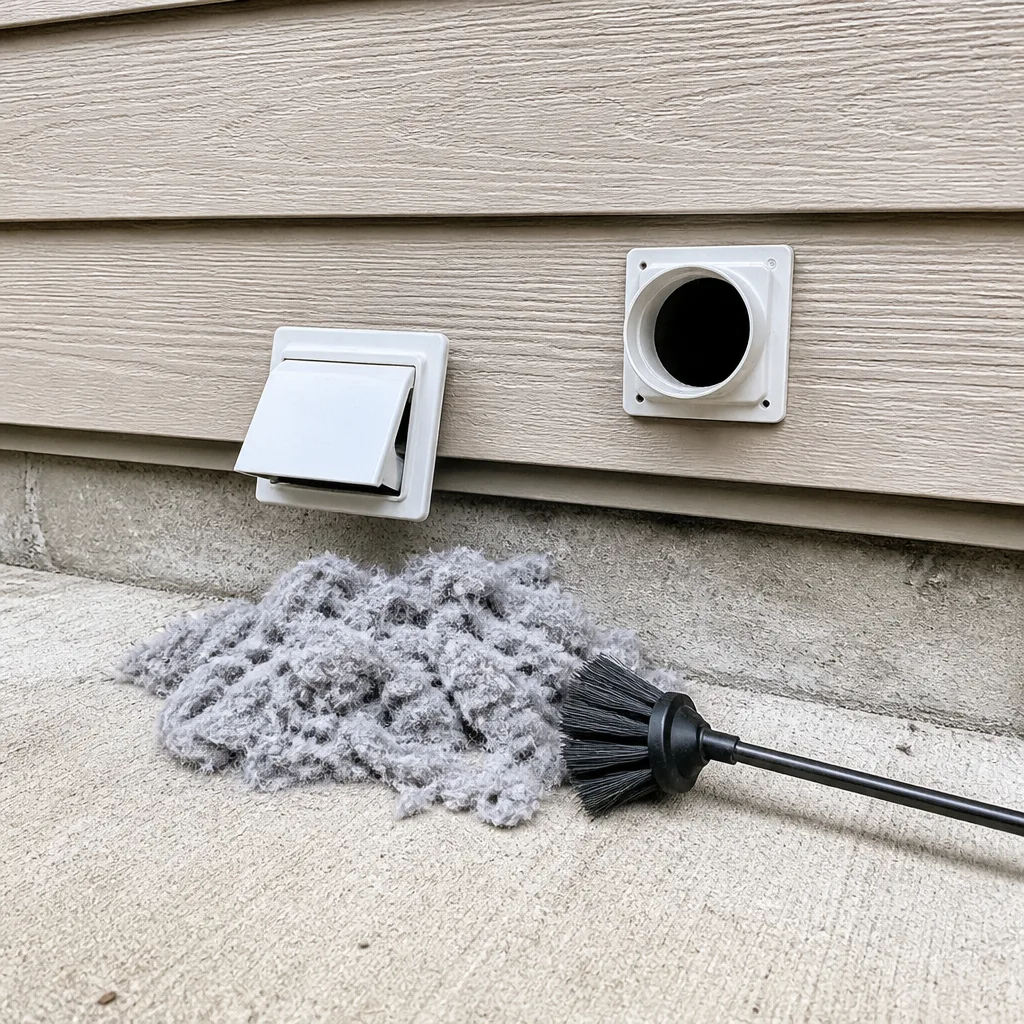 Dryer vent cleaning
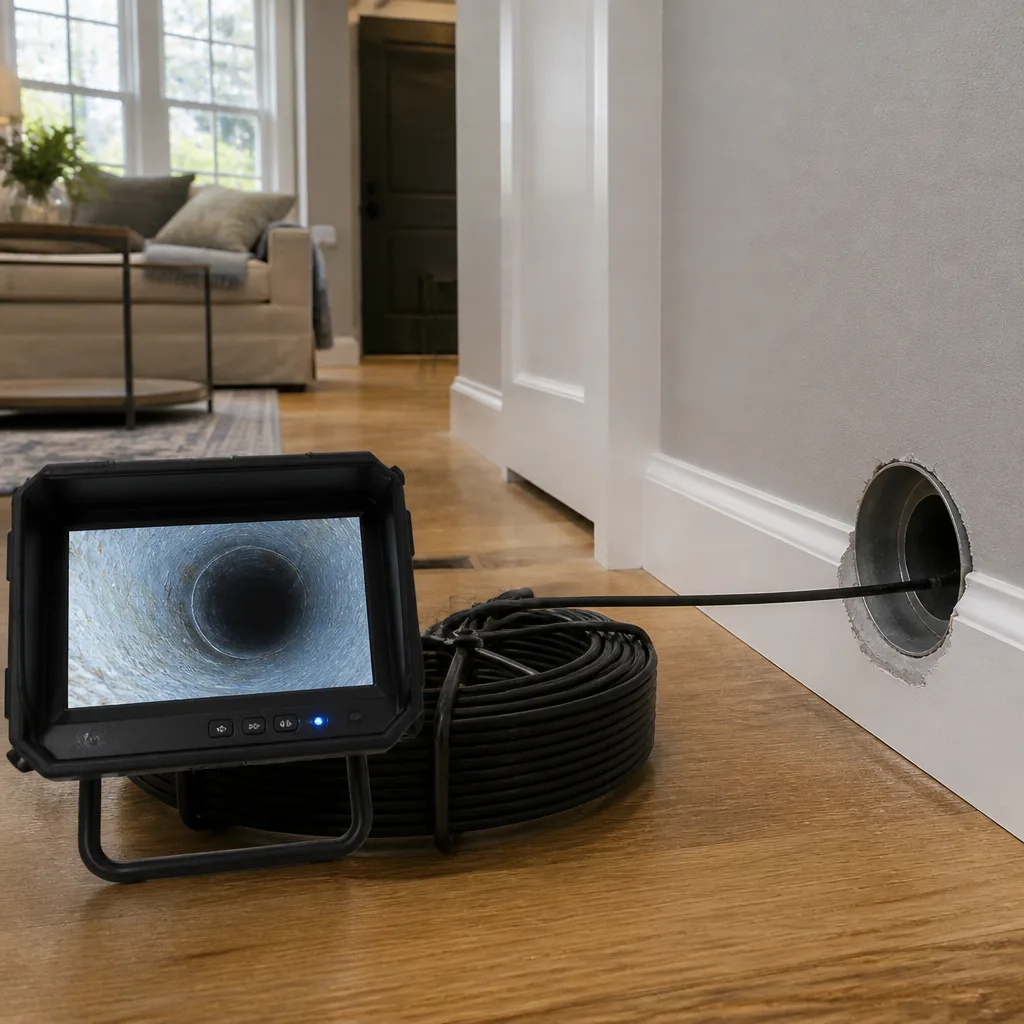 Camera inspection
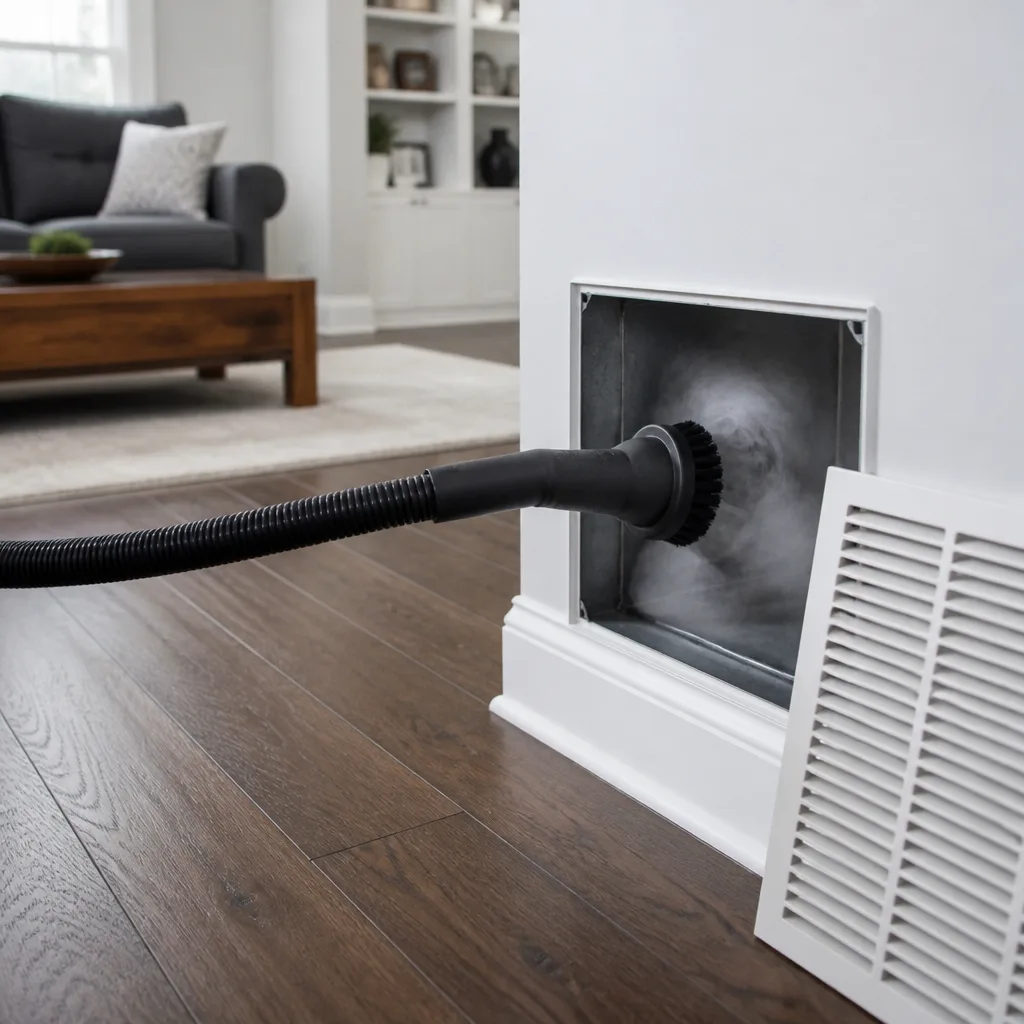 Sanitizing & deodorizing
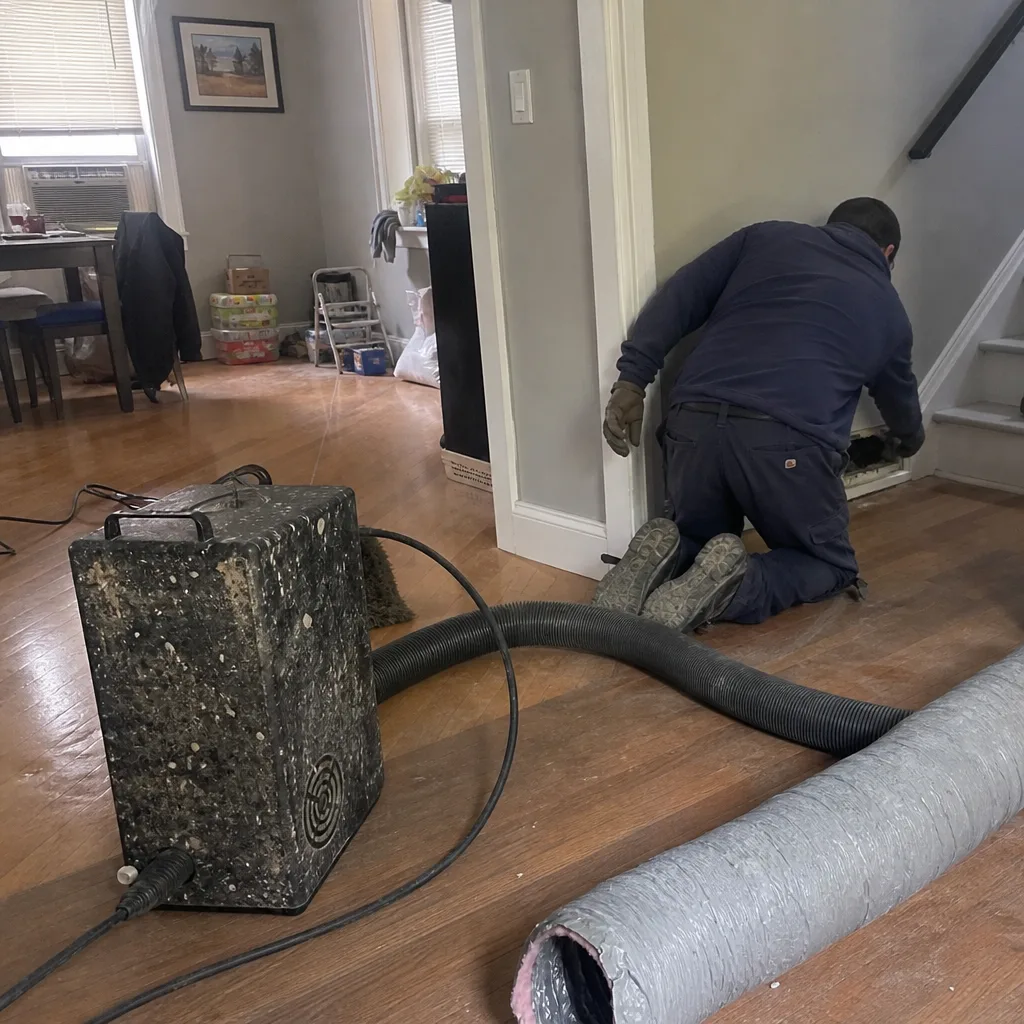
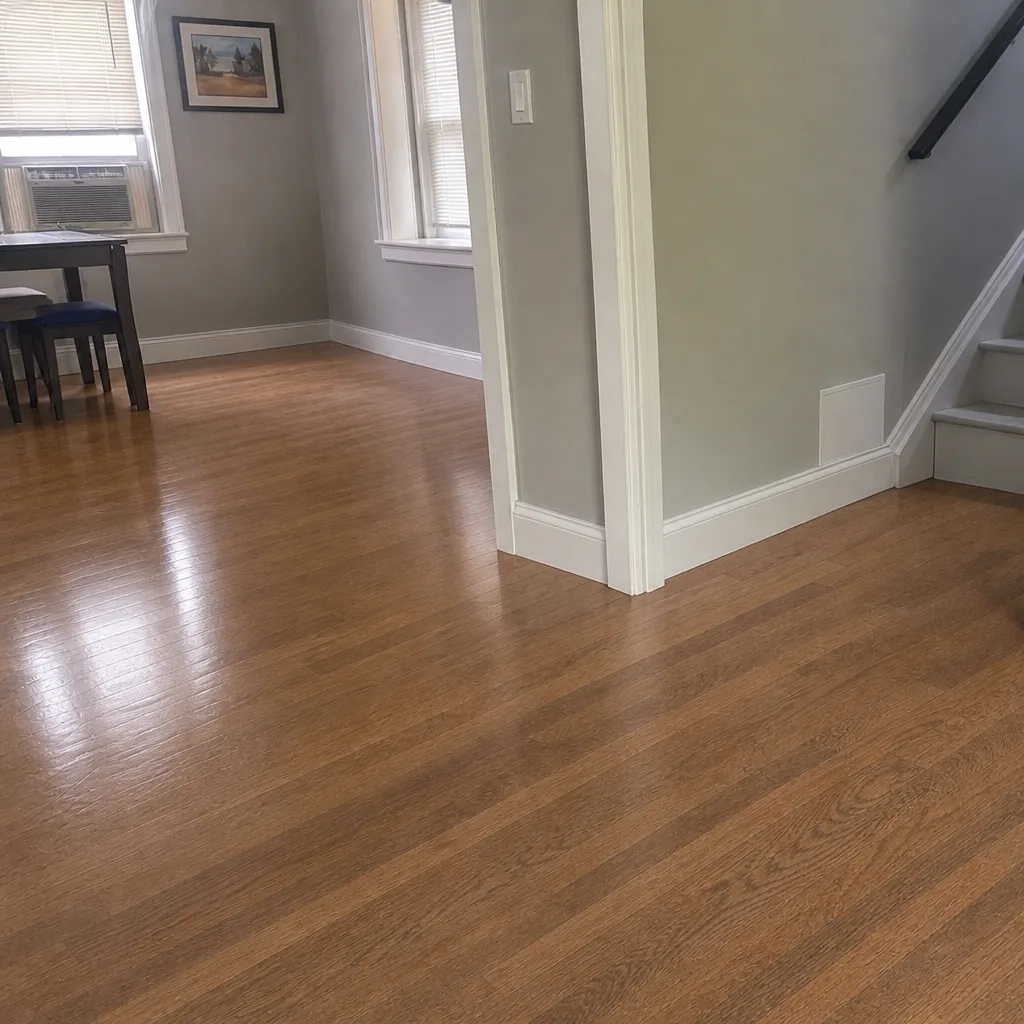
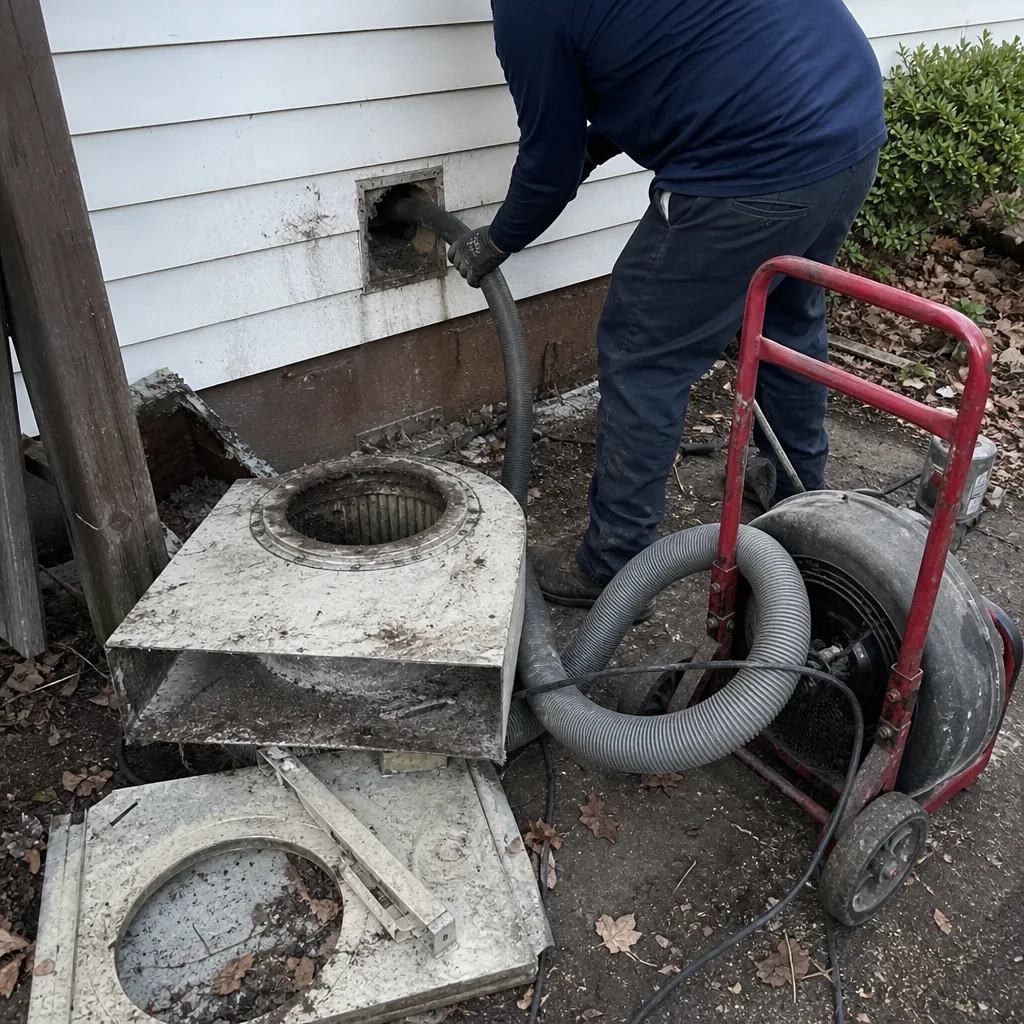
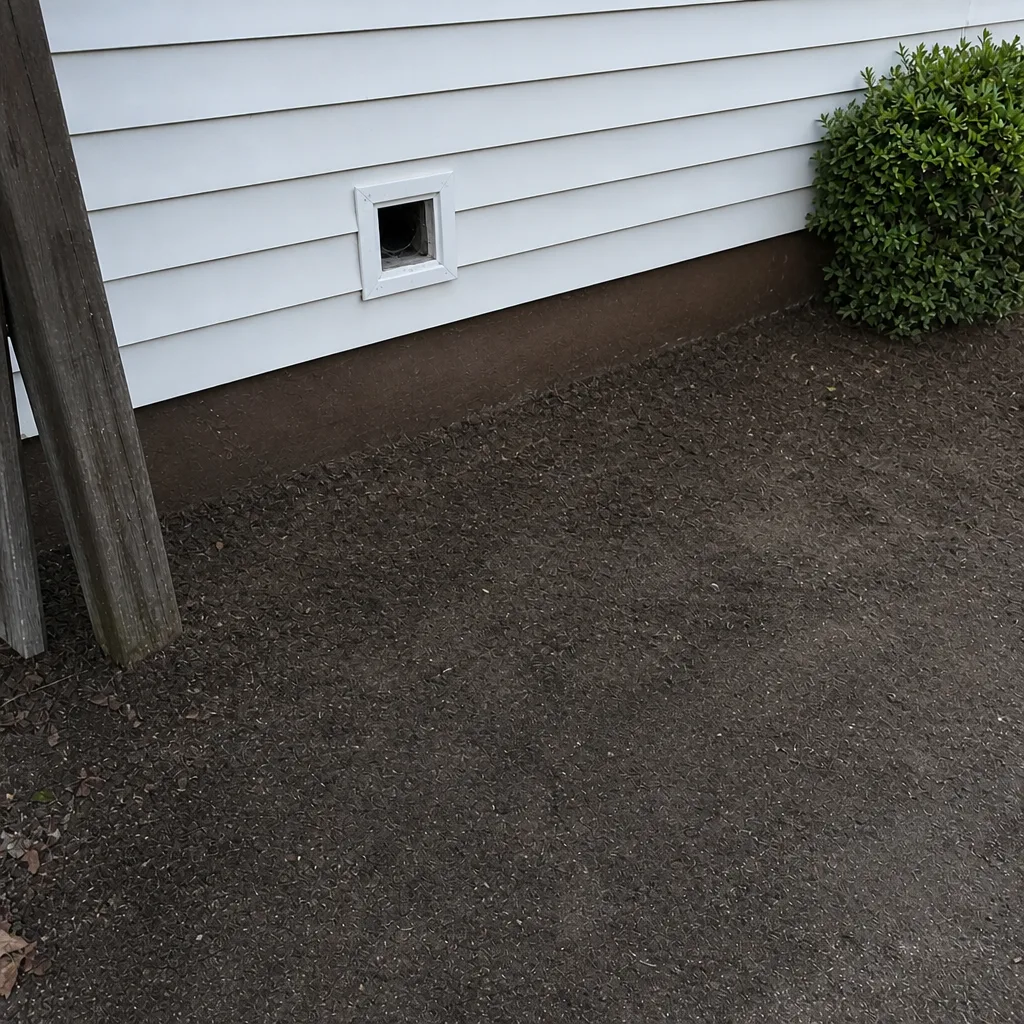
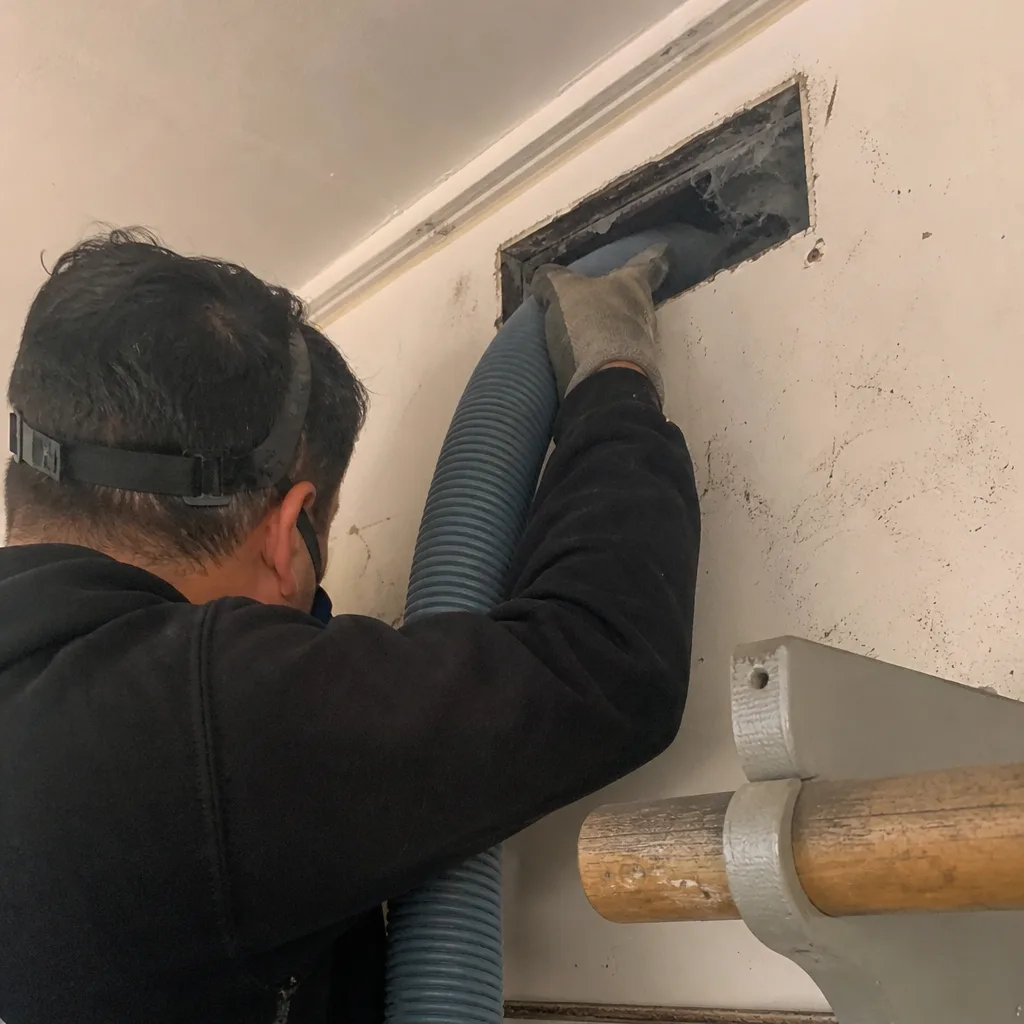
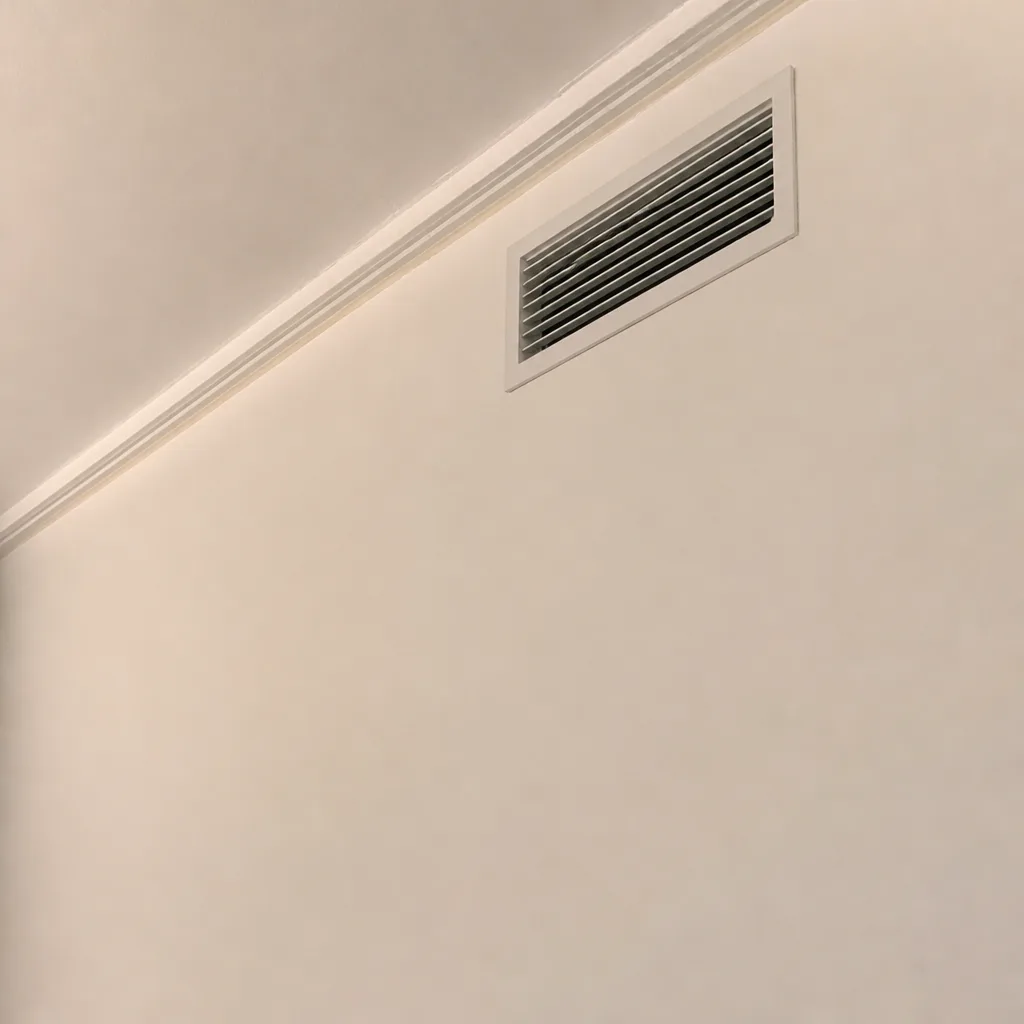
Whole-system duct and dryer vent check with before-and-after photos - you see exactly what came out of your vents
That "$99 whole-house special" is a bait ad - the real number appears once they are in your hallway, or the "clean" is a shop-vac at the register. We photograph the inside of your ducts before and after instead.
DIY vs Professional Air Duct Cleaning: The Corona Homeowner’s Decision Guide
Here’s the part most cleaning companies won’t tell you: a homeowner with a decent vacuum and a Saturday morning can absolutely improve the air coming out of their registers. Pulling grime off a supply grille and wiping out a return filter housing is straightforward work. But that same motivated homeowner, using that same equipment on the main trunk line, will typically push more debris deeper into the system than they pull out. The line between “go ahead and do this yourself” and “stop before you make it worse” is real, and it’s technical, not a sales pitch. This guide draws that line task by task for Corona homes so you can decide with facts instead of fear.
Quick Answer
For most homes in Corona, DIY air duct cleaning is worth doing on some parts of the system and harmful on others. You can safely and productively clean supply registers, return grilles, filter housings, and accessible flex duct inlets yourself. You should leave the main trunk line, the air handler interior, and the evaporator coil to a contractor with professional negative-air and contact-vacuum equipment, because consumer tools can’t generate the airflow needed to contain what they loosen. The smart approach is a hybrid: handle the surface maintenance yourself, bring in professional air duct cleaning for the parts that reach deep into the system, and know which is which before you start.
Styles & brands we work with
- Whole-home duct cleaning
- Dryer vent cleaning
- Camera inspection
- Sanitizing & deodorizing
Table of Contents
- What a Corona homeowner can legitimately do
- Where DIY causes net harm
- The equipment gap: what Rotobrush and Nikro actually do
- Cost-benefit framing for Corona’s housing stock
- A hybrid maintenance model that works
- Why Corona homes need their own plan
- Common mistakes to avoid
- When to call a professional
- Frequently asked questions
What a Corona homeowner can legitimately do
There’s genuine value in the surface work, and we’d rather you do it correctly than skip it. The tasks below don’t require a truck-mounted machine, don’t risk pushing contamination deeper, and make a measurable difference to the air coming into your rooms. None of it requires special licensing, and most of it takes under an hour per round.
- Clean the supply registers and return grilles. Remove each grille (usually a couple of screws or a friction latch). Wash it in warm soapy water, rinse, and dry completely before reinstalling. While it’s off, wipe the visible lip of the boot with a damp cloth. Don’t spray liquid into the opening.
- Clean the filter housing and replace the filter. Pull the filter, vacuum the housing with a brush attachment, and check the filter’s edge seal. A filter that slips out of its frame lets unfiltered air bypass the media entirely, which is worse than a dirty filter that fits.
- Inspect accessible flex duct visually. Where a run of flex duct is exposed in a basement or utility space, look for crushed sections, kinked bends, or tears in the outer jacket. Note what you find. You’re collecting evidence for a contractor, not repairing it yourself.
- Maintain the condensate drain pan and line. For a cooling system, keep the pan clean and the drain clear. Standing water breeds biological growth that then feeds the airflow. A pan that won’t drain is a sign of a blockage, and clearing it is a service call, not a homeowner job.
None of the above touches the main trunk or the interior of the air handler, and that’s the deliberate boundary. Do these four things on a regular schedule and you’re extending the useful interval between professional cleanings, which is exactly the point. The full picture of what a professional visit covers is on our Corona Air Duct Cleaning page.
Where DIY causes net harm
Here’s where the well-intentioned homeowner gets into trouble. A consumer shop vac, even a good HEPA model with a brush kit, sits at the far end of the system from the main trunk and generates a fraction of the airflow a truck or a restoration-grade portable unit produces. When you loosen dust in the trunk line with a consumer tool and can’t pull it out, the airflow through your system carries that dust to the next downstream component: the coil, the air handler, or the supply ducts. You’ve simply moved the problem. In a Corona home where a duct run travels through a hot attic, the dried dust that settles on a coil also acts as an insulator that reduces cooling efficiency, so the harm compounds.
Three places where the equipment mismatch does real damage:
- The main trunk line. This is the largest-volume duct in the house. Loosening debris here without adequate negative pressure just distributes it. Worse, a rigid trunk that isn’t properly sealed can leak contaminated air back into the living space.
- The air handler interior. The blower wheel, the cabinet interior, and the coil face are all sensitive. Brushing or vacuuming these without controlling the airborne dust can send particles downstream past components you can’t reach. This is also where you’re most likely to inadvertently disturb wiring, and that’s a safety line we won’t cross.
- The evaporator coil. Coil fins are delicate. Consumer brushes bend them, which blocks airflow. Coil cleaning is a task for someone who knows what they’re doing and has the right containment in place.
We’ve seen the reverse pattern too: a homeowner who does nothing for years and then buys a shop vac and makes the problem worse in one afternoon. The point isn’t that DIY is bad. It’s that the trunk, the air handler, and the coil are where professionals earn their keep, and where a tool gap becomes an air quality problem.
The equipment gap: what Rotobrush and Nikro actually do
The decisive specification in professional duct cleaning is airflow, measured in cubic feet per minute (CFM). A truck-mounted or restoration-grade negative-air unit pulls thousands of CFM, creating a strong negative pressure in the duct system that holds loosened debris in the airstream until it’s captured. A consumer wet/dry vac moves a small fraction of that. That difference in CFM is why one approach contains the dust and the other aerosolizes it.
Two equipment categories define the difference:
- Contact-vacuum systems like the Rotobrush BrushBeast. These combine mechanical agitation, a rotating brush head, with high-CFM vacuum extraction. The brush physically dislodges debris from duct walls while the vacuum captures it. The combination is what lets you clean a rigid trunk line without spreading contamination into the room air.
- Negative-pressure units like those from Nikro. These are the containment backbone: a high-CFM vacuum connected at one end of the system to create negative pressure, so that when other tools loosen debris, the airflow carries it toward the vacuum rather than out into your house. In restoration and commercial work, this is standard practice for a reason.
For whole-home air quality, this is where the professional-grade tool matters most: it’s not that the contractor has a bigger vacuum, it’s that the vacuum creates a pressure differential that keeps what’s loosened in the system until it’s extracted. Any company can arrive with a shop vac. Ask what CFM their equipment is rated for, and whether they use contact-vacuum plus negative air. That’s a fair question, and the answer tells you a lot.
Cost-benefit framing for Corona’s housing stock
Corona’s housing is a mix of older one- and two-family homes with forced-air systems that have been through many heating seasons, and newer construction where the ductwork is tight and clean. The right DIY-versus-professional decision depends heavily on which one you live in and how well the system has been maintained.
- Newer systems, clean and well-sealed: DIY surface maintenance genuinely extends the interval between professional cleanings. Grille cleaning, filter changes, and filter housing care can push a full professional visit out considerably, and there’s little downside to doing it yourself.
- Older systems with a cleaning history you can’t verify: here, DIY is often counterproductive. If the system has years of accumulated dust and no documentation of a professional cleaning, the surface work only addresses the easiest contamination while the core stays dirty. A full professional cleaning first, then DIY maintenance between visits, is the better sequence.
- Systems with known leakage or recent renovation: if the ducts were disturbed during a renovation, or you’ve noticed higher energy bills, the priority is professional inspection and sealing before any cleaning. Leaking ducts let contaminated air back into the house, and cleaning without sealing is a temporary fix.
One useful benchmark: the U.S. Environmental Protection Agency estimates that duct leakage in a typical home HVAC system causes 20 to 30% energy loss. That’s not a cleaning problem, it’s a sealing problem, and it’s a strong argument for professional assessment before you spend a weekend on a shop vac. It also explains why we include Duct Repair & Sealing as part of the service. Cleaning the ducts without addressing the leaks that let new contamination in is half a job.
What does a professional cleaning typically run? Pricing is set per job, by a free written estimate, because a 900-square-foot city apartment and a 2,500-square-foot two-family home are different systems entirely. Whole-system estimates in Corona vary with square footage, system configuration, and how much repair or sealing is needed. Any company that quotes you a flat number over the phone, sight unseen, is guessing. A proper estimate is done on-site and in writing, and our estimates are free. Call (866) 937-7810 if you’d like one.
A hybrid maintenance model that works
The most effective approach for most Corona homes is a division of labor. The homeowner handles the surface maintenance on a regular cadence; the professional handles the deep-system work on a longer schedule; and the homeowner collects documentation along the way so future decisions are informed rather than guesswork. Here’s what that looks like in practice.
What the homeowner should do, between professional visits:
- Replace the filter on the interval the manufacturer specifies for your system, and check that it seats properly.
- Clean supply and return grilles at least as often as you clean the rest of the house’s high-touch surfaces, and more often if you have pets or live near a busy street.
- Wipe out the filter housing and check the condensate pan for standing water.
- Walk the accessible duct runs once or twice a year and note any crushed, kinked, or disconnected flex duct. Photograph what you find.
What the professional should handle:
- Full cleaning of the trunk line, air handler interior, and evaporator coil using contact-vacuum and negative-air equipment.
- Inspection of the duct system for leakage, and Duct Repair & Sealing where needed.
- Sanitizing when contamination has already taken hold, using remediation-grade equipment such as Abatement Technologies units.
- Assessment of the whole HVAC system in the same visit. Cleaning ducts while the HVAC components are also dirty is like washing the dishes and leaving the sink full.
What to request as documentation: before-and-after photos of your own ducts, a written scope of work, and a note of any components the contractor inspected but did not clean. Keep that file. It’s what lets you make the DIY-versus-professional call with facts next time, and it’s what separates a professional visit from a wipe-down.
One more piece most homeowners don’t connect to air quality: the dryer vent. Lint accumulation in a dryer duct is a leading cause of residential home fires, and cleaning it is a fire-safety job, not an airflow-improvement job. If your dryer takes longer than it used to, the vent may already be restricted. Our dryer vent cleaning service handles it as exactly what it is.
Why Corona homes need their own plan
Corona sits in a dense, mixed-age borough where forced-air heating and cooling is common and where homes often share walls, ceilings, and ductwork with adjacent units. That matters for a few reasons. Older homes in this area frequently have duct systems with original rigid trunk lines and short sections of flex, which are harder to clean well with consumer tools and more prone to leaks. Shared-wall construction means a duct leak can affect a neighbor’s air quality, not just yours. And the heating-dominant climate means the system runs hard through the cold months, pulling air through every leak and every contaminated run of duct in the process.
That combination, older systems plus heavy seasonal runtime plus dense housing, is why a full-system view beats a single-service visit. It’s also why we built our menu around the whole problem: cleaning, repair, sealing, sanitizing, and dryer vent service from one contractor. The cleaning that goes beyond the vent cover is the one that looks at the air handler, the coil, the trunk, and the leaks. When the system is examined end to end, the DIY-versus-professional question usually answers itself. Our HVAC cleaning service covers the mechanical side, and air quality sanitizing handles the biological side. If you want a single contractor who can look at the whole picture and tell you honestly which tasks you can do yourself, that’s a fair way to choose.
We use professional-grade equipment from Rotobrush and Nikro, and work with recognized air quality product lines including Honeywell, Aprilaire, Abatement Technologies, and Guardsman. That scope matters because it means a single visit can diagnose, clean, repair, and improve, instead of cleaning and leaving the underlying problem in place. Air you can measure, not just feel, is the goal, and the measurement usually starts with a look at the equipment in the truck.
Common Mistakes to Avoid
- Running a consumer shop vac on the main trunk without negative pressure. This is the classic DIY error. You loosen more than you capture, and the dust ends up on the coil instead of in the vacuum.
- Spraying liquid into an open register or duct opening. Any cleaning solution sprayed into a duct that can’t be fully dried promotes moisture growth and biological contamination. Damp-wipe, don’t spray, and only what you can reach.
- Skipping the filter housing and relying on the filter alone. A dirty housing and a poorly seated filter let unfiltered air bypass the media. Check the seal every time you change the filter.
- Cleaning ducts without addressing leaks. Leaky ducts pull contaminated air back in and waste energy. Clean, then seal, or you’re re-contaminating the system.
- Assuming a clean-looking grille means a clean system. The grille is the easiest surface. The trunk, the air handler, and the coil are where the real condition of the system shows.
- Ignoring the dryer vent. It isn’t part of the HVAC system, but it’s the highest-stakes vent in the house from a fire-safety standpoint. Don’t lump it in with the HVAC cleaning and don’t skip it.
- Hiring on price alone without asking about equipment. A low quote that arrives with a shop vac is not the same service as one with negative air and a contact-vacuum system. Ask about CFM and equipment before you book.
When to Call a Professional
Some situations are clearly professional territory, and no amount of DIY effort will get you there. Call a professional when the air handler or evaporator coil needs cleaning, when you suspect duct leakage and want it assessed and sealed, when renovation work has disturbed the duct system, when you’ve noticed higher energy bills without a clear cause, or when there’s visible contamination in the trunk line. Call when you’re buying or selling a home and want a documented baseline for the HVAC system. Call when it’s been years since the last professional cleaning and you can’t verify one ever happened. And call anytime the dryer vent is restricted or hasn’t been cleaned in a long while, because that’s a fire-safety matter. Corona Air Duct Cleaning offers free estimates in Corona. Call (866) 937-7810. We answer 24/7, and fast dispatch runs from 7am to 7pm, Sunday through Friday.
Frequently Asked Questions
Whole-system estimates in Corona vary with square footage, system configuration, and any repair or sealing needed, and the final price is set by a free written estimate done on-site. We don’t quote a flat number over the phone because a small apartment and a two-family home are not the same job. Call (866) 937-7810 for an exact quote. Estimates are free.
Yes, in specific ways: loosening debris in the main trunk without negative pressure pushes contamination deeper into the system, consumer brushing can bend evaporator coil fins, and spraying liquid into an opening promotes moisture growth. Grille and filter work is safe; the trunk, air handler, and coil are where damage happens.
Usually because of the equipment and the scope. A low quote often means a shop vac and a surface wipe-down with no negative-pressure containment and no air handler or coil work. A professional-grade visit uses contact-vacuum and negative-air equipment and covers the full system. Ask what equipment and CFM the company brings before you decide. Call (866) 937-7810 for a written estimate from us.
Request before-and-after photos of your own ducts and a written scope of work that names what was cleaned and what was inspected. A contractor who can’t provide that hasn’t done work you can verify. We include both in a professional visit. Call (866) 937-7810 with questions.
There’s no universal schedule; it depends on your system’s age, whether it’s ever been professionally cleaned, pets, renovation history, and how well the ducts are sealed. Most homes do well with professional deep cleaning every few years, with DIY surface maintenance in between. Ask for an assessment rather than a fixed schedule.
Sanitizing is worth it when contamination has already taken hold, such as after moisture problems, a pest issue, or a renovation that distributed debris. We use remediation-grade equipment such as Abatement Technologies units for containment. Not every cleaning needs it; a professional should tell you honestly. Call (866) 937-7810 to talk through your situation.
It does, indirectly. Heating-dominant systems in dense housing run hard through the cold months, pulling air through every leak and contaminated run. Older rigid trunk lines and shared-wall construction make leak assessment more important. That’s a reason to have the system assessed as a whole, not just surface-cleaned.
You can clean the short, accessible section right at the dryer, and you should clear visible lint regularly. The full run through a wall or up a chase is harder and riskier to do well. Given that lint fires are a leading cause of residential fires, the full run deserves professional attention. Call (866) 937-7810 if you’re unsure.
The Bottom Line
The real DIY-versus-professional question isn’t all-or-nothing. Surface maintenance on grilles, filter housings, and accessible duct is genuine value you can do yourself, and it extends the interval between professional cleanings. The trunk line, air handler, and coil are where the tool gap becomes harmful, and where professional-grade equipment with negative-pressure containment makes the difference. For Corona homes, the best plan is hybrid: handle the surface work carefully, bring in professional air duct cleaning for the deep system on a sensible schedule, address leakage with sealing, and keep photos and documentation so the next decision is informed. That’s air you can measure.
Corona Air Duct Cleaning provides residential and commercial air duct cleaning, dryer vent cleaning, HVAC cleaning, duct repair and sealing, and air quality and sanitizing services. Our technicians have up to 15 years of experience, and we work with professional-grade equipment from Rotobrush and Nikro and recognized IAQ brands including Honeywell, Aprilaire, Abatement Technologies, and Guardsman. If you’d like an honest assessment of what you can do yourself and what needs professional help, call (866) 937-7810 for a free estimate. We answer 24/7, and fast dispatch runs from 7am to 7pm, Sunday through Friday.
Written by the team at Corona Air Duct Cleaning.
See the difference
 Before
 After
 Before
 After
 Before
 After