
Last updated November 22, 2026
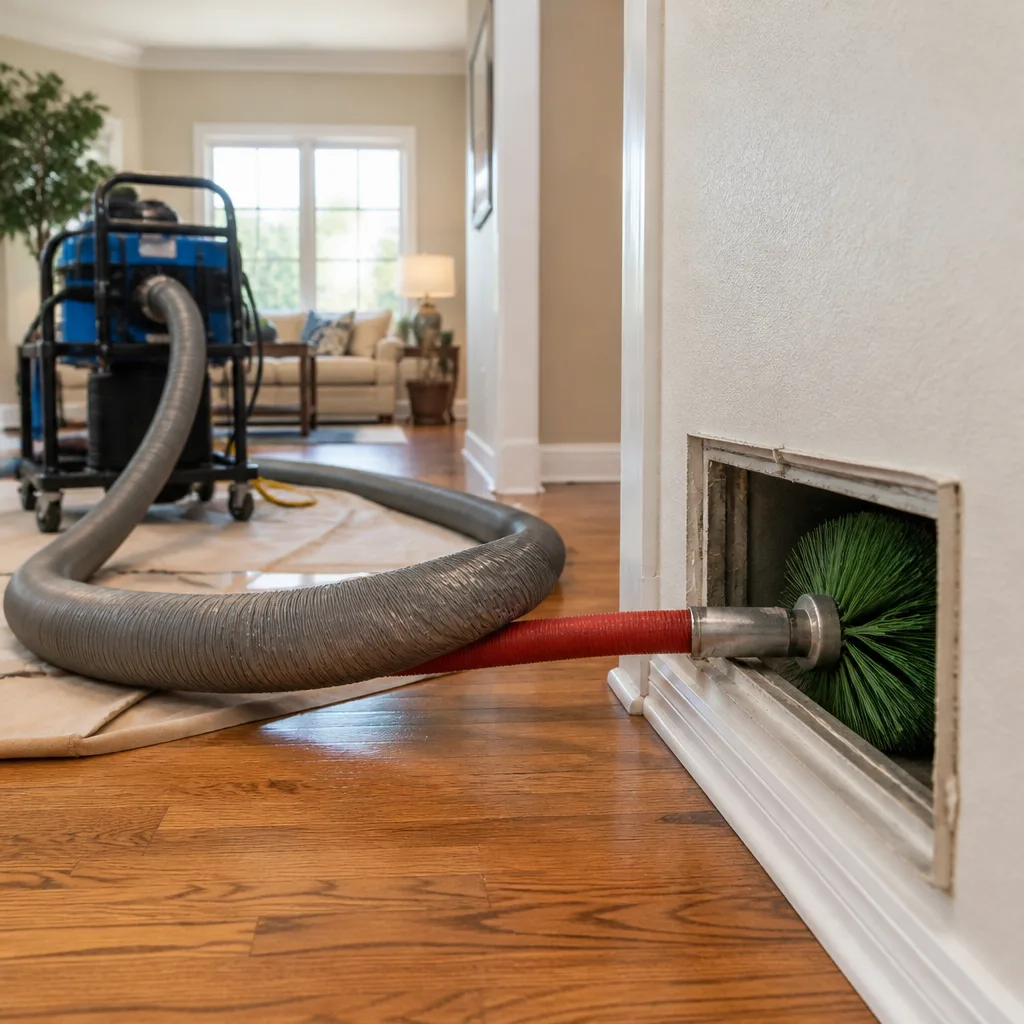 Whole-home duct cleaning
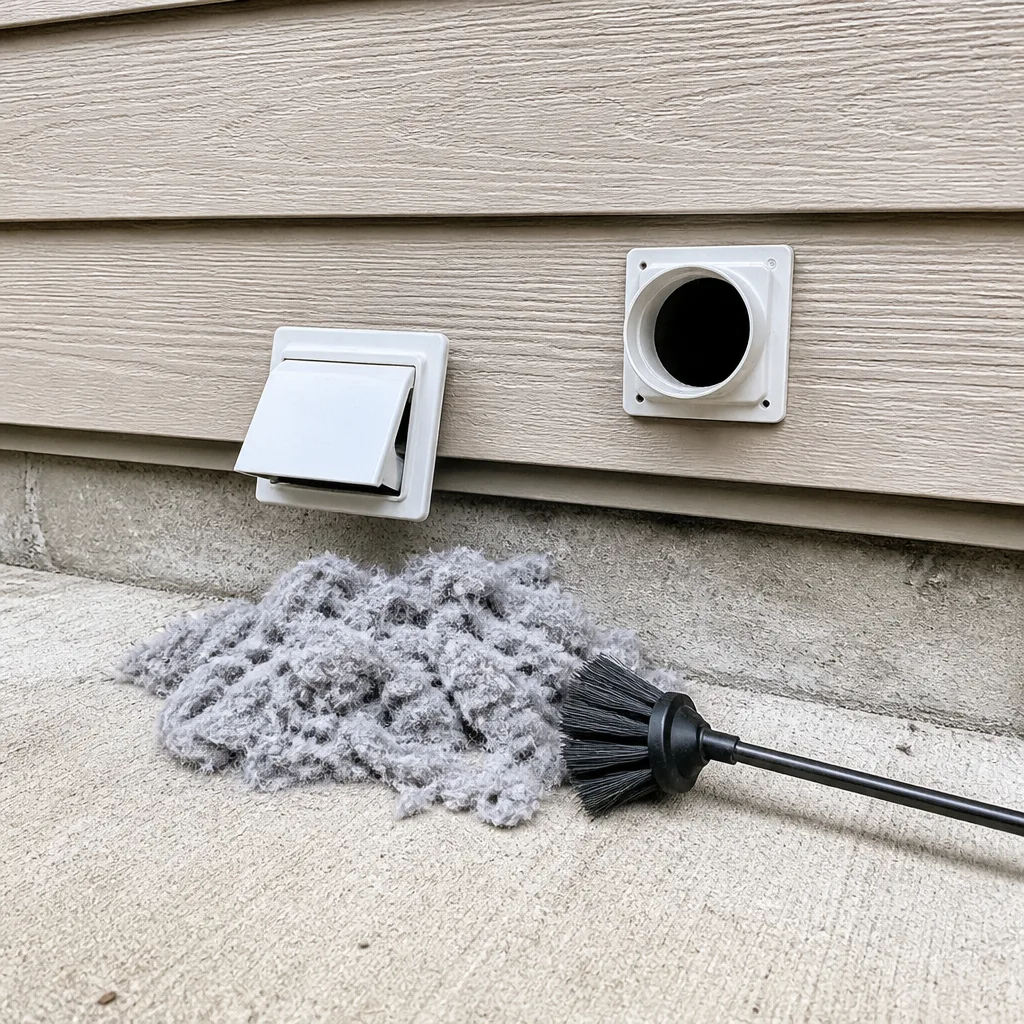 Dryer vent cleaning
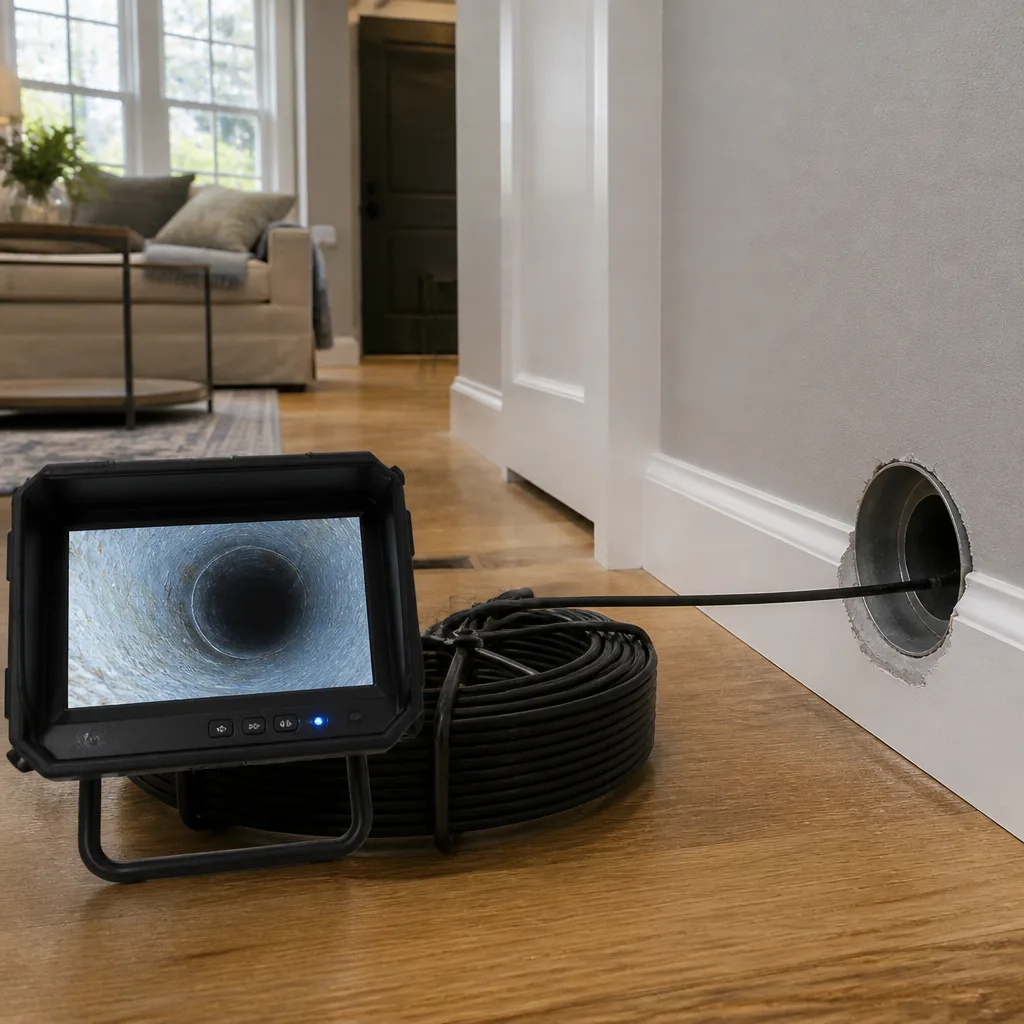 Camera inspection
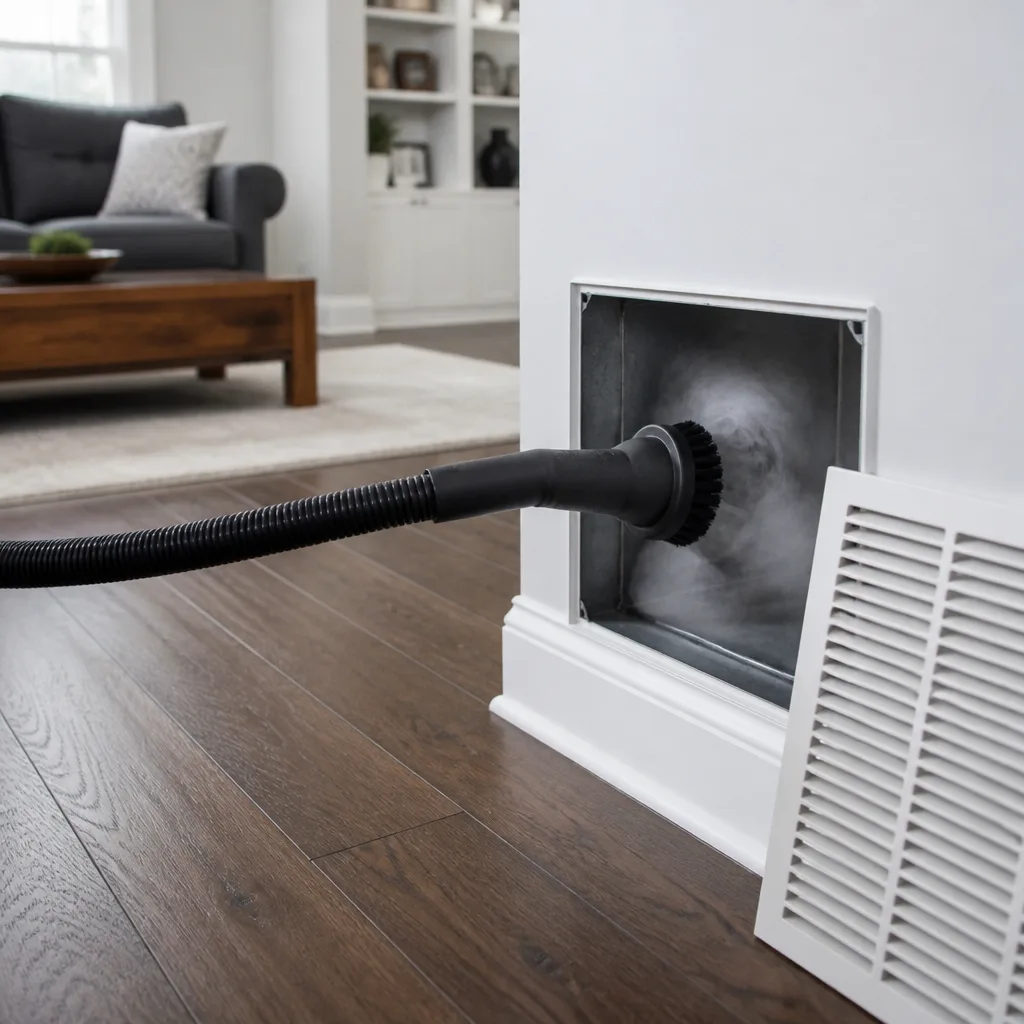 Sanitizing & deodorizing
Whole-system duct and dryer vent check with before-and-after photos - you see exactly what came out of your vents
That "$99 whole-house special" is a bait ad - the real number appears once they are in your hallway, or the "clean" is a shop-vac at the register. We photograph the inside of your ducts before and after instead.
Air Duct Cleaning Cost Breakdown: The Corona Homeowner’s Reference for 2026
The gap between a $149 advertised price and a $900 invoice usually isn’t fraud. It’s the predictable result of a quote that never included the air handler, the coil, or the return system in the first place. Most door-hanger duct cleaning prices in the New York metro market are built to start a conversation at your door, not to describe the work your house actually needs. If you live in a prewar building in Corona, the ductwork behind your walls was never designed for a one-price vacuum job, and pretending otherwise is how budgets go sideways. This guide breaks the price down by component so you can build an honest number before anyone knocks, and spot the moment a quote stops describing work and starts describing a sales script.
Quick Answer
Air duct cleaning in Corona typically runs $450 to $1,800 for a whole-house system, with most single-family homes landing between $600 and $1,200 depending on how many supply and return runs, the air handler, and the coil are included. Component-level pricing in the New York metro market generally falls around $15 to $30 per linear foot of supply duct, $20 to $35 per return run, $150 to $400 for air handler cleaning, and $150 to $350 for evaporator coil cleaning, with the written estimate setting the final price for the job.
Styles & brands we work with
- Whole-home duct cleaning
- Dryer vent cleaning
- Camera inspection
- Sanitizing & deodorizing
Table of Contents
- Component-Level Pricing: What Each Line Item Should Cost
- How Corona’s Housing Stock Changes the Price
- Which Add-Ons Carry Real Value and Which Are Margin
- Building a Written Scope of Work You Can Compare
- What Equipment the Price Should Be Buying
- The Real Cost of Waiting: Energy and Equipment Life
- How to Read a Quote Line by Line
- Common Mistakes to Avoid
Component-Level Pricing: What Each Line Item Should Cost
Duct cleaning is not one product, and any quote that treats it that way is hiding the details you need most. When we price and discuss a job, we’re looking at five distinct components, each with its own labor curve and its own reason to exist on the invoice. A quote that lists all five is a quote you can actually audit. A quote that says “whole house” is a quote that leaves the door open for anything.
Here’s what those components typically run across the New York metro market, based on the scope and condition of the system:
| Component | Typical Range | What Drives the Number |
|---|---|---|
| Supply runs | $15 – $30 per linear foot | Length, accessibility, number of branches off the trunk |
| Return runs | $20 – $35 per run | Run count, filter grille type, cabinet access |
| Air handler cleaning | $150 – $400 | Blower wheel condition, cabinet access, cabinet size |
| Evaporator coil cleaning | $150 – $350 | Coil fin density, plenum clearance, whether a drain pan is present |
| Register and grille removal and cleaning | $10 – $25 per register | Number of registers, ease of removal, grille type |
Supply runs are the long runs of duct through your walls and ceilings. Return runs bring air back to the system and are usually fewer, but they’re often dirtier because they pull air across the return grille long before the filter catches anything. The air handler houses the blower; the evaporator coil sits in the plenum and does the actual cooling. Both collect dust, and both need cleaning if you want the system to move air efficiently. Register removal lets a technician get into the branch ducting near the vent, where most debris accumulates first.
The per-linear-foot pricing for supply runs is the piece most door-hanger quotes skip entirely. If a quote gives you a single number for the whole system with no breakdown, ask how many supply runs and what lengths were measured. The honest answer will be a real measurement. The dishonest one will be a shrug.
How Corona’s Housing Stock Changes the Price
Corona’s housing stock is not the housing stock of most of the country, and duct cleaning here costs what it costs for reasons that are specific to the neighborhood. A quote built for a suburban ranch with a straight-shot trunk line does not translate to a two- or three-story Corona row house. The work is different. The labor is different. The price has to be different too, and here’s why.
Multi-story row houses and brownstones with complex duct routing. In a Corona row house, the supply trunk often has to negotiate a stairwell, run through a second-floor joist bay, and branch off in ways a modern system doesn’t. Every turn in the duct is a place debris collects and a place the technician has to reach. A run that takes ten feet of straight pipe in a newer house might take twenty feet of real work here. The per-linear-foot rate is the same, but the footage is bigger and the access is harder.
Flexible duct in attic conversions. When a first-floor space becomes a conditioned attic or a first-floor addition, the duct run often goes in as flex duct, which has ridges, sags, and low points that trap debris. Flex duct is cheaper to install, but it’s harder to clean because the ridges catch material that a smooth trunk line would pass. Cleaning a house with 60 feet of flex duct is not the same job as cleaning 60 feet of rigid galvanized.
Accessible vs. inaccessible crawl space and basement runs. In older Corona buildings, some duct runs route through a basement or crawl space that isn’t easily entered. Reaching those runs sometimes requires removal of panels, cutting an access, or working around steam or water pipes. That’s not a padded line item, it’s the difference between a run a technician can actually agitate and one they can only look at. If a quote doesn’t mention access, ask about it before you sign.
The result is that a typical Corona home lands toward the middle or upper half of the market range, not the bottom. A quote at the very bottom of the range for a three-story row house with flex duct and a basement run is a quote that’s going to change the moment the technician gets eyes on the system. Call (866) 937-7810 and we’ll tell you what a real number for your building looks like, without surprises.
Which Add-Ons Carry Real Value and Which Are Margin
Every duct cleaning quote you receive in Corona will likely come with a menu of add-ons. Some of them are genuinely worth the money because the house needs them. Others are margin plays that exist because they’re profitable to sell, not because they’re going to move the needle in your air. Knowing the difference is the single most valuable skill you can bring to the quote conversation.
Duct sealing. This one earns its price when the house actually has leakage. Duct sealing closes the gaps at the joints and seams where conditioned air is escaping into the wall cavity, and it’s a repair, not a cleaning. The value depends on whether sealing is verified as needed, not whether it’s offered as a flat add-on.
Antimicrobial fogging. This is a sanitization step that treats the duct surface after cleaning. It has a place when you’re dealing with a documented microbial issue or when the system has been sitting wet. It’s not a routine add-on for every house, and a company that recommends it on the first visit before looking inside the system is telling you more about its sales process than about your home.
UV light installation. A UV light is a legitimately useful piece of equipment for the evaporator coil area, but it’s an air quality product, not a cleaning upgrade. Treat it as a separate decision made after the system is clean, not a bundled item on a cleaning invoice.
If a company offers duct repair and sealing alongside cleaning, that’s a sign you’re working with a full-system contractor rather than a vacuum crew. If it offers sanitizing as a distinct, documented service with the equipment to match, that’s another. If it offers both without asking you anything, that’s driven by the price.
Building a Written Scope of Work You Can Compare
Comparing two “whole house” duct cleaning quotes is meaningless because “whole house” has no fixed definition. One company’s whole-house price includes the coil and the air handler; another’s doesn’t. One counts the returns; another doesn’t. The only way to price-compare accurately is to demand a written scope of work, and this is how you build one you can put side by side.
- Measure the system, on paper. Ask the company to list the number of supply runs and the approximate linear footage of the trunk and branches. The quote should show those numbers and the corresponding per-linear-foot rate.
- List the returns separately. The return count and the return rate should be a separate line from the supply runs, not folded into a lump sum.
- Name the air handler and the evaporator coil. These should each have their own line item. If the quote doesn’t include them, you’re comparing a cleaning of the ductwork only against a cleaning of the entire system, and those are not the same job.
- Specify register removal. How many registers will be removed, cleaned, and reinstalled, and at what per-register rate.
- State the equipment being used. The written scope should name the equipment category: contact-vacuum with agitation and a negative-air machine. A quote that just says “truck-mounted vacuum” is telling you less than one that specifies it.
- State the proof of work. Before-and-after photos of the system should be part of the written agreement. If a company doesn’t offer that, ask why.
- State anything the quote does not include. A quote with a clear exclusions list is more trustworthy than one that claims to cover everything, because it proves the company has actually looked at the system.
Once you have that narrowed down, the comparison is simple arithmetic. Do the totals. Do the per-component rates. And if the totals are close but the scopes aren’t, you know which quote is really the match for your house. Call (866) 937-7810 and we’ll walk you through what a scoped estimate for your Corona home looks like, line by line.
What Equipment the Price Should Be Buying
The single biggest reason duct cleaning quotes vary so widely in Corona isn’t the quality of the technician or even the price of labor. It’s the equipment. A quote built around low-powered gear looks different from one built around professional-grade systems, and the difference shows up in the air quality and the price you pay to reach it.
Professional-grade cleaning uses two things working together. A contact-vacuum system physically agitates the duct surface so the debris lifts off the wall of the duct; that agitation is what separates a real cleaning from an airflow pass. A negative-air machine keeps the system under slight negative pressure at the collection point so the material you knocked loose goes into the machine, not into your living room. Rotobrush and Nikro are the two systems we use for exactly that reason, because they do the work, not just the marketing. The gear is the same class of equipment used in commercial and restoration work, and it doesn’t run at the price of a carpet cleaner with a long hose.
For sanitizing, the equipment needs to match the standard. Abatement Technologies equipment is associated with HEPA-grade containment and remediation-level filtration, and that’s the bar for any sanitizing line in a scope of work. If the quote lists sanitizing as an add-on without naming the equipment, ask what’s being used and why. Air quality products like Honeywell and Aprilaire air cleaners and humidifiers are a separate category, and they’re worth discussing after the cleaning and not as a bundled line on the cleaning invoice.
On HVAC cleaning specifically, the equipment matters most at the coil. A dirty evaporator coil reduces the system’s ability to remove heat, which means your system runs longer and uses more energy to hold the same temperature. Cleaning it properly takes the right coil cleaning tools and the knowledge to avoid bending the fins. A budget quote that skips the coil entirely is not a cheaper cleaning, it’s a partial one. Ask what equipment is being used for the coil and air handler, and expect a specific answer.
The Real Cost of Waiting: Energy and Equipment Life
Skipping duct cleaning doesn’t save you money. It moves the cost from the cleaning invoice to your energy bill and eventually to your HVAC replacement. The way this plays out in a Corona home is fairly predictable once you understand what gets dirty and why. A dirty coil has to work harder to pull heat out of the air. A dirty blower wheel moves less air for the same motor effort. Those two things compound, and the compound effect is where the real money lives.
We’ve seen systems where the blower wheel is caked with enough material that the motor is pulling noticeably more current just to hit the same cubic feet per minute. The air handler’s static pressure rises, the system runs longer, and the next thing you know the annual cooling bill has crept up without anyone changing the thermostat. The same thing happens at the coil. The EPA has estimated that duct leakage alone accounts for 20 to 30 percent of energy loss in a typical home HVAC system, and leakage is the partner of contamination: the dust pulls harder through the leaks, and the coil gets dirtier faster.
Equipment lifespan is the second half of the same equation. A blower motor and an air handler working against a dirt-restricted system run hotter, and a hotter motor fails sooner. A coil that’s never been cleaned corrodes faster at the fins and loses efficiency every season. When you defer the cleaning, you’re not avoiding the invoice; you’re financing it on a higher-interest schedule through your utility bill and eventually your replacement cost.
For a Corona homeowner, the decision usually comes down to one question: does the system have a verified cleaning history? If you can’t answer yes, the cleaning is not a luxury. It’s the cheapest way to protect what you already own. We can look at the system, show you the coil and blower condition, and quote the cleaning and any air duct cleaning scope that fits, so you’re making the decision on facts.
How to Read a Quote Line by Line
Most Corona homeowners don’t know what a complete duct cleaning quote should actually look like, and that’s the gap a low door-hanger price exploits. Putting a scope of work next to a quote and reading them together is the fastest way to separate a real estimate from a teaser. Here’s what a proper quote should show and what a red flag looks like on each line.
- Line 1: Supply runs. Should list the number of runs and the linear footage with a per-foot rate. Red flag: a single “ductwork” number with no footage.
- Line 2: Return runs. Should be a separate count and rate. Red flag: returns folded into the supply total.
- Line 3: Air handler. Should be a named line item with the condition noted. Red flag: the quote doesn’t mention the air handler at all.
- Line 4: Evaporator coil. Should be a named line item, especially in a home with central air. Red flag: “coil cleaning included” with no separate price and no visual inspection.
- Line 5: Registers. Should list how many will be removed and the per-register rate. Red flag: a blanket “all registers” without a count.
- Line 6: Equipment. Should name the category of equipment and whether sanitizing or sealing is included. Red flag: sanitizing offered as a line item before the system has been inspected.
- Line 7: Proof of work. Should include before-and-after photos. Red flag: no mention of documentation.
- Line 8: Exclusions. Should state what isn’t included. Red flag: nothing is excluded.
When you’ve read the quote against the scope this way, the low door-hanger price reveals itself in the missing lines. It’s not that the door hanger is a lie, exactly. It’s that the door-hanger price never described the air handler or the return system or the coil, and once those are included the total is honest and higher. The goal isn’t to get the lowest quote; it’s to get the quote that already includes what your house needs. That’s how you avoid the bait-and-switch that gives this industry its reputation.
Common Mistakes to Avoid
- Comparing “whole house” prices without matching scopes. A whole-house quote that omits the coil and the air handler isn’t a cheaper version of the same job; it’s a different, smaller job. Match the line items before you match the totals, or you’ll pick the wrong quote and pay for it twice.
- Accepting a per-vent price instead of a per-system price. Per-vent pricing in Corona is a margin play because a vent count doesn’t capture the return runs or the air handler. Insist on a whole-system scope with one flat price agreed before work starts.
- Believing the door-hanger price is the real price. The door hanger is a starting number, not a total. When a Corona row house has a multi-story trunk, flex duct in an attic conversion, or a basement run, the work behind the price is different, and the quote should reflect that before the technician arrives.
- Buying sanitizing on the first visit without an inspection. Antimicrobial fogging has a place when a system shows an issue, but it should be recommended after someone has looked inside, not before. A sanitizing upsell offered before the inspection is a margin item, not a response to your home.
- Letting the quote skip the evaporator coil. In a Corona home with central AC, the coil is one of the dirtiest components and one of the costliest to ignore. A quote that leaves it out is not a cleaning of the whole system.
- Assuming a written estimate is optional. A verbal number from the doorway is not a quote. Insist on a written scope with component pricing and before-and-after photos, so you have something to compare and something to hold the job to.
- Waiting until the coil and blower are visibly dirty to schedule. Deferred cleaning is a financing plan, not a saving. The energy cost of a restricted coil and blower wheel shows up every month, and the equipment lifespan cost shows up when the motor or the coil fails early.
See the difference
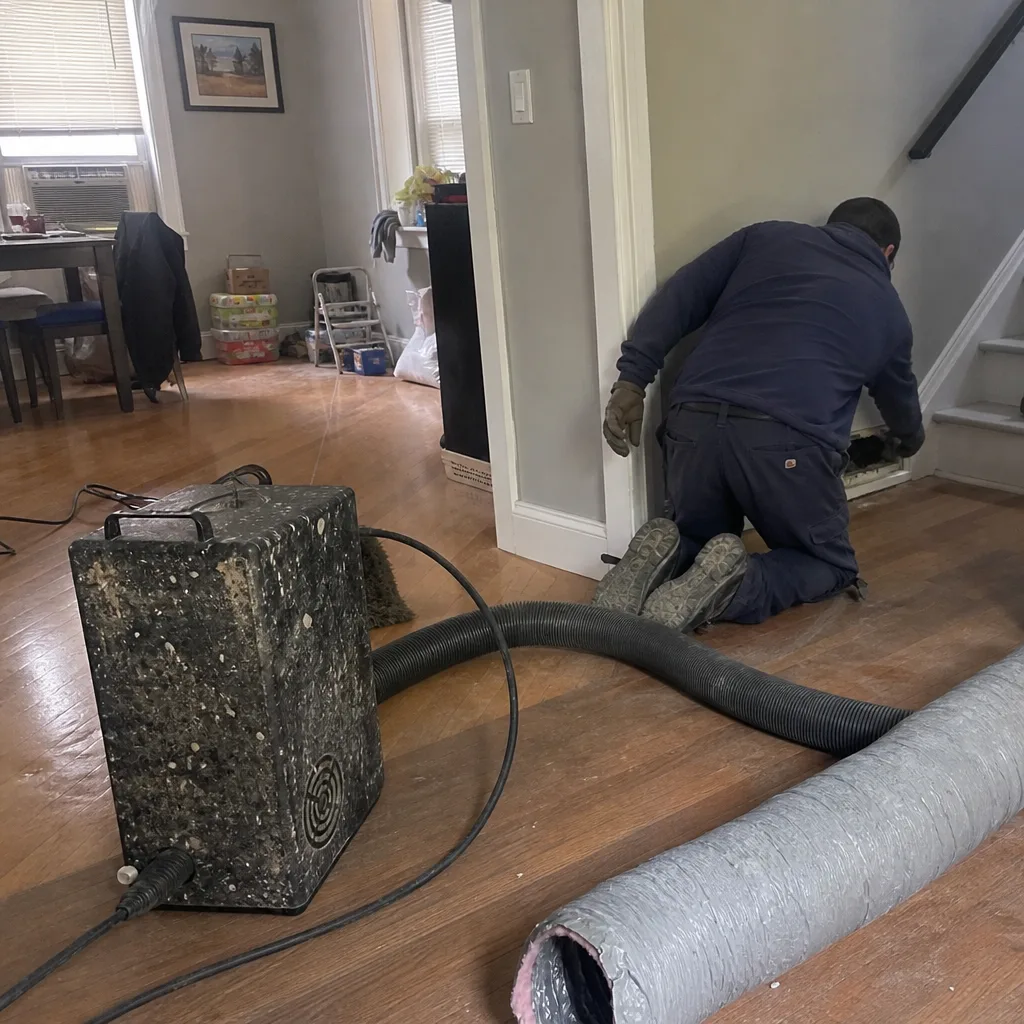 Before
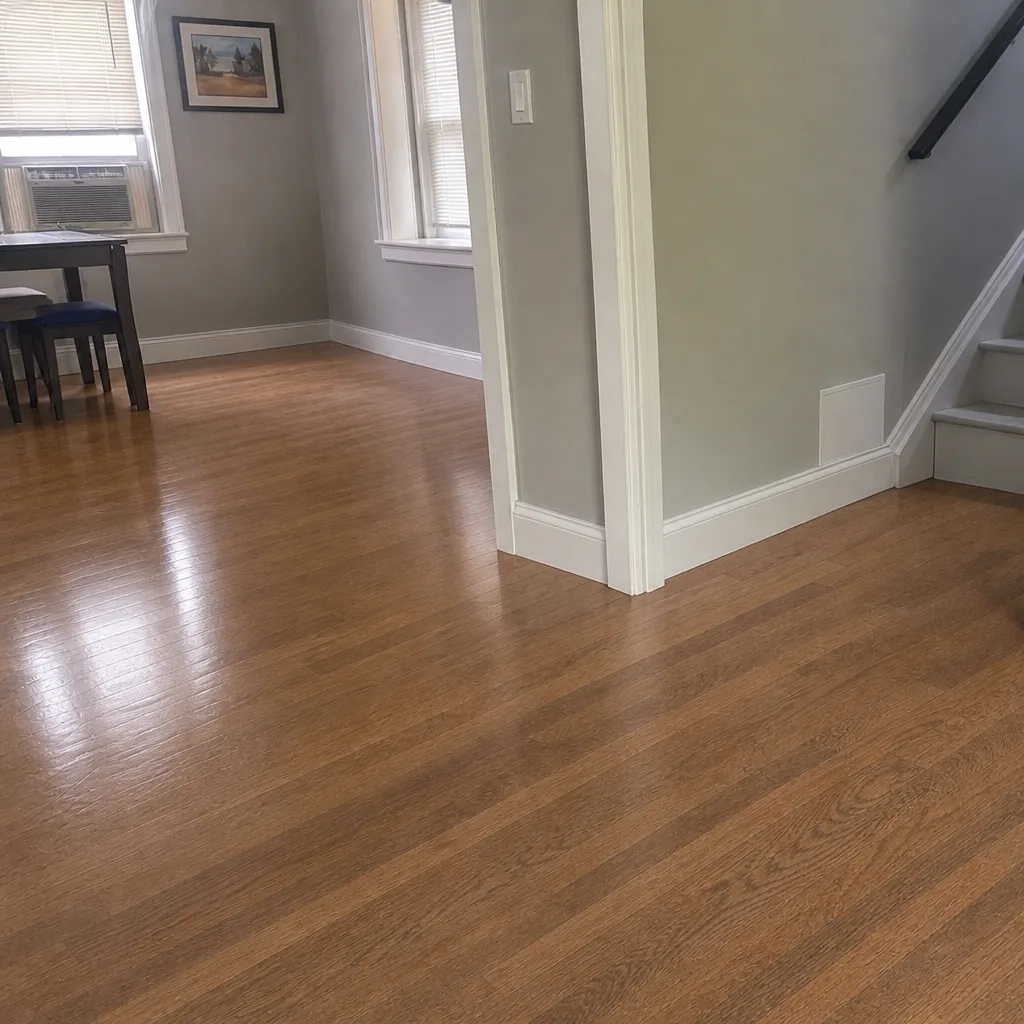 After
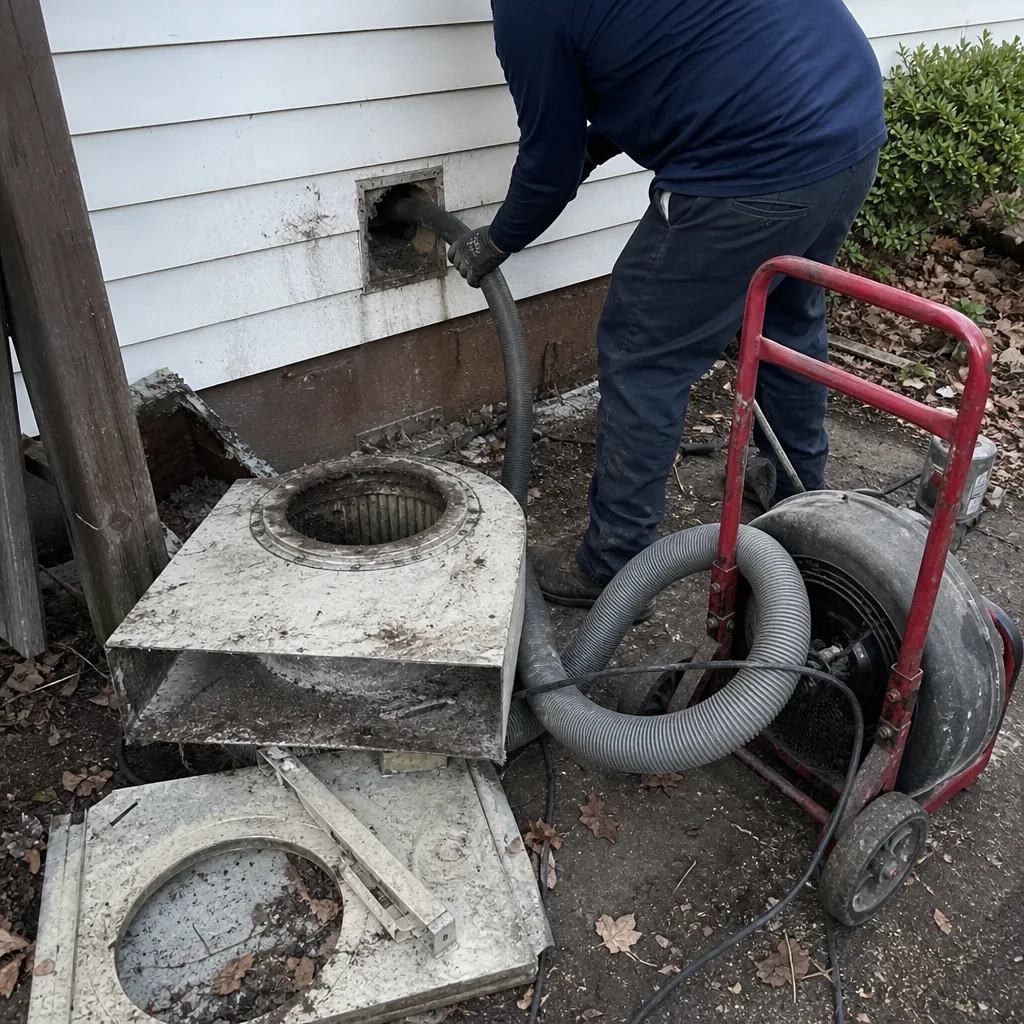 Before
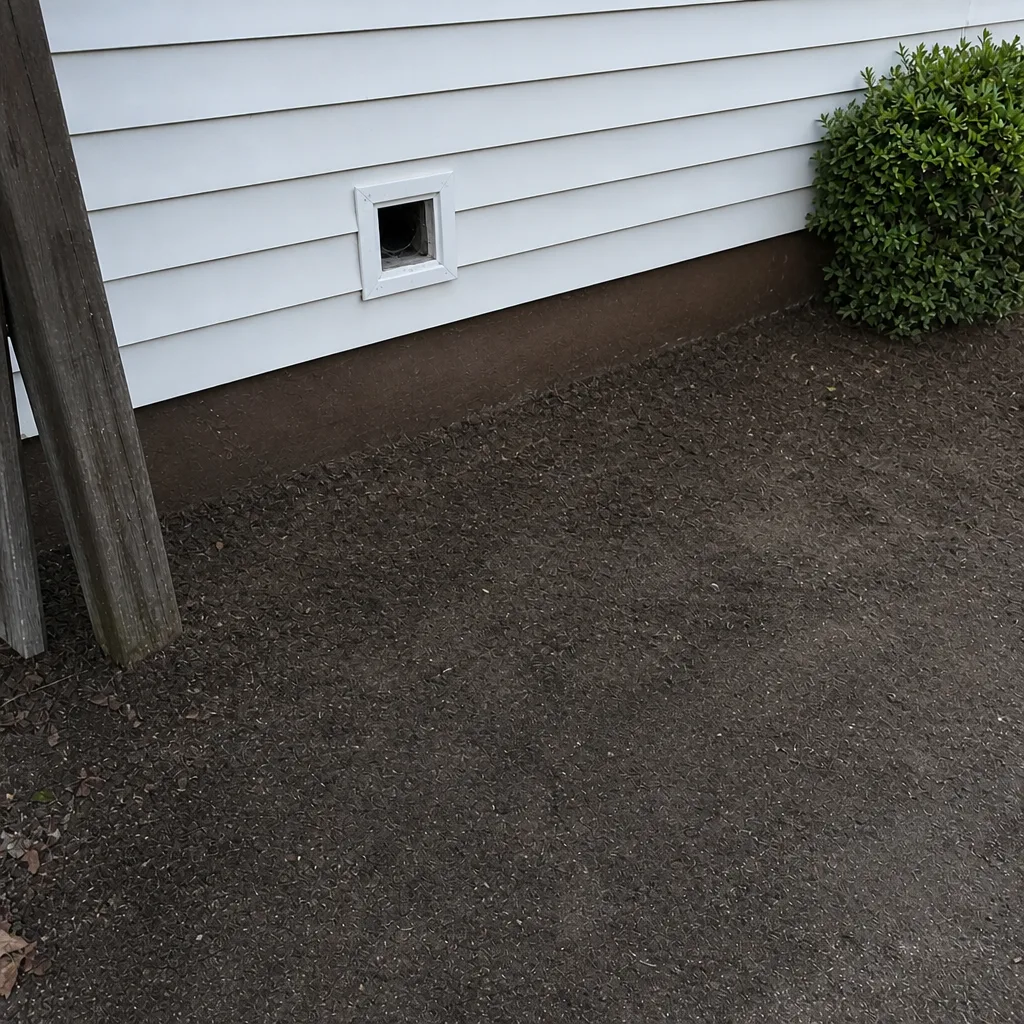 After
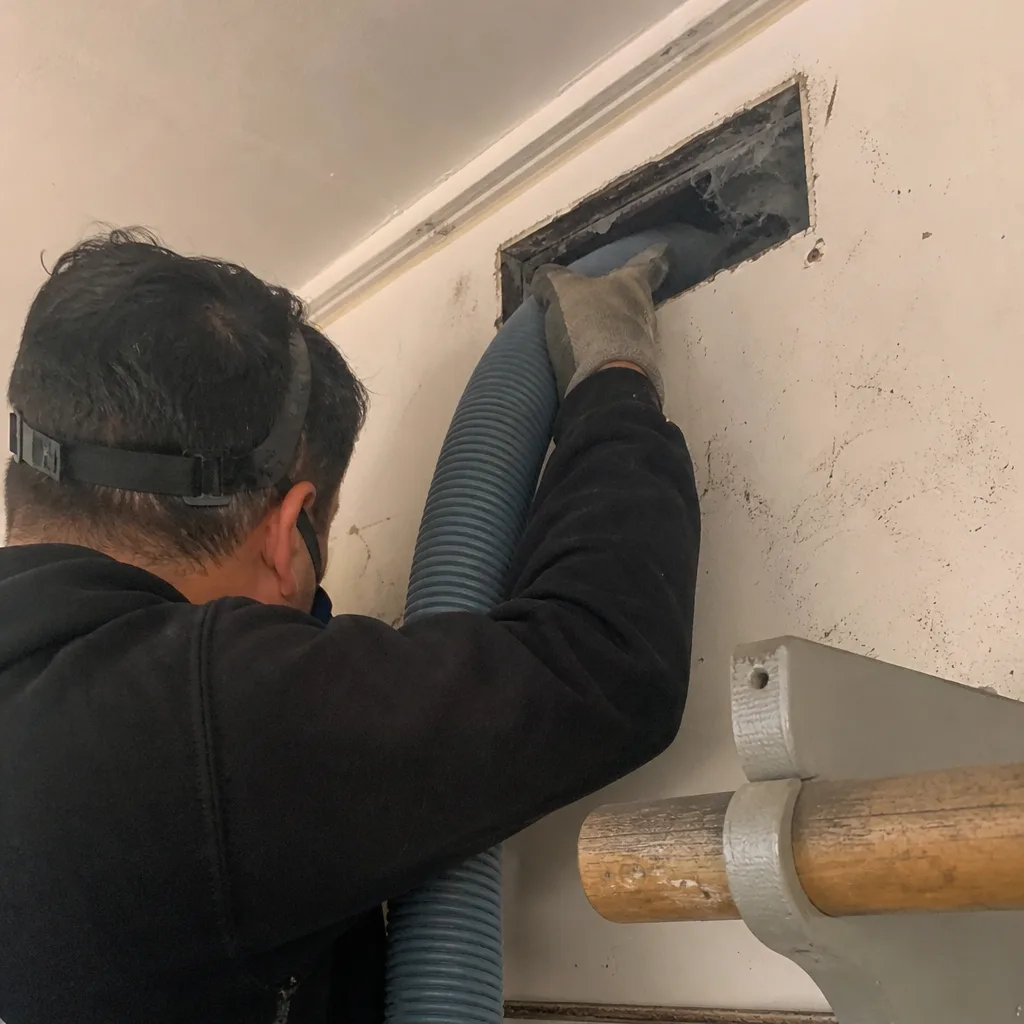 Before
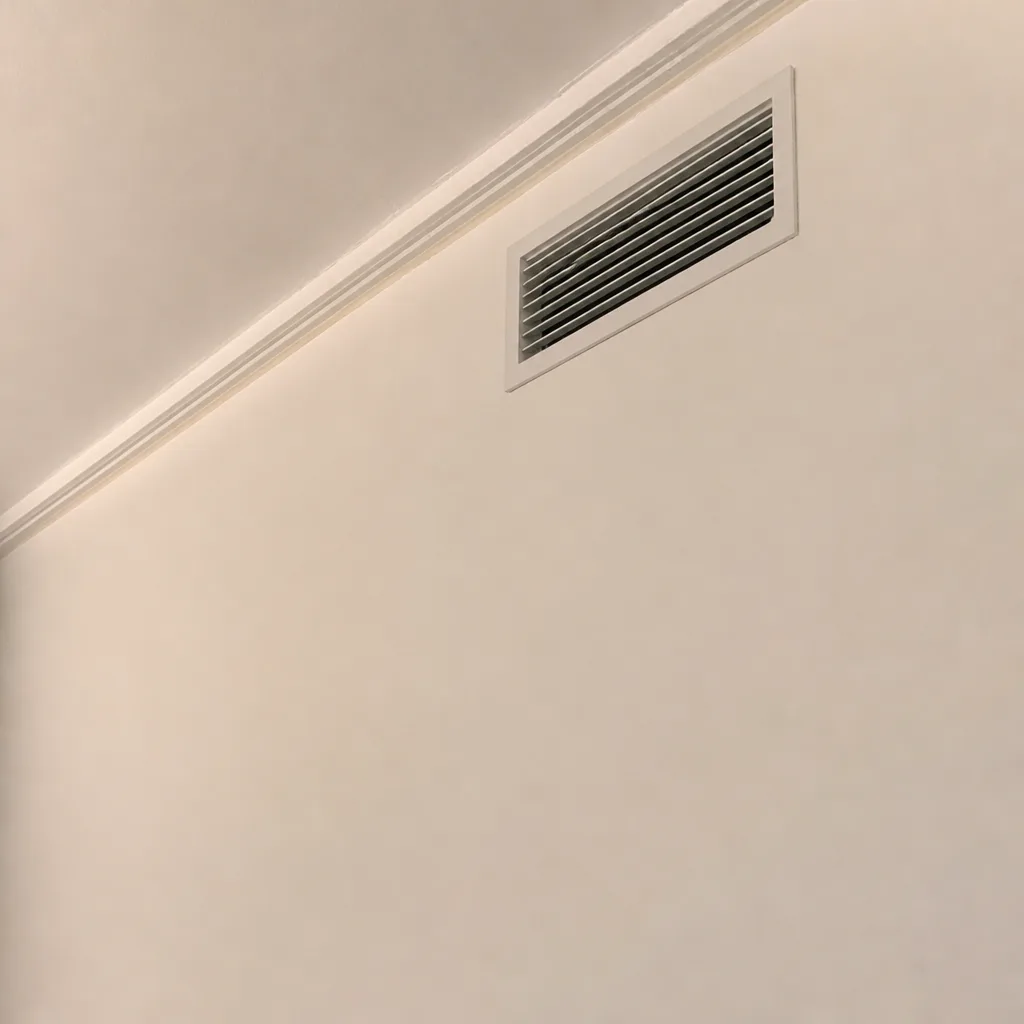 After
When to Call a Professional
Call a professional when the system has a verified cleaning history that’s gone stale, when the air handler or coil has never been inspected, or when you’re buying or moving into a Corona home and can’t confirm what’s behind the vents. Call if you’re seeing increased dust at the registers, higher cooling costs without a change in usage, or a system that runs longer to hold the same temperature. Call before you sign a quote that leaves out the coil, the returns, or the air handler, and before you accept a per-vent price. Corona Air Duct Cleaning offers free estimates in Corona, so call (866) 937-7810 and we’ll put together a written scope for your home. We answer 24/7. Fast dispatch from 7am to 7pm, Sunday through Friday.
Frequently Asked Questions
Most whole-house air duct cleaning in Corona runs $600 to $1,200, with a broader range of $450 to $1,800 depending on the scope. The number depends on what’s included, namely the supply runs, returns, air handler, coil, and registers, and the written estimate sets the final price. Call (866) 937-7810 for an exact quote; estimates are free.
Some quotes are cheaper because they cover less. A low price often excludes the air handler, the evaporator coil, or the return system, and once those are added to the scope the total rises. A written scope of work is how you compare quotes on the same basis and see what is actually missing.
Ask for before-and-after photos of your own system, taken during the job. Photos document the coil, the air handler, and the duct interior before and after the cleaning, and they are the clearest proof a homeowner has. Insisting on them is reasonable, and a credible contractor will offer them without being asked.
The honest answer depends on the system, the home, and whether the ducts have been cleaned before. A Corona home with a strong dust problem, an older system, or a recent renovation usually needs attention sooner than a newer system with consistent maintenance. Have the system inspected first; the condition of the coil and blower tells you more than a calendar does.
Yes. A dirty evaporator coil reduces heat transfer and forces the system to run longer to reach the same temperature, so cooling costs rise. A dirty blower wheel adds to that by reducing airflow. The two effects compound, and the annual energy cost of ignoring both is the part of duct cleaning most homeowners never see until they need a new system.
Both. Dryer vent cleaning is a separate fire-safety service and it is priced per vent, not folded into the duct cleaning total. Lint accumulation in a dryer vent is a documented fire risk, and it’s worth scheduling alongside duct work if it’s been a while. Call (866) 937-7810 to add it to the estimate.
What equipment should a duct cleaning company bring to a Corona home?
A contact-vacuum system that agitates the duct surface and a negative-air machine that keeps the system under pressure during the job, plus the tools to handle the coil and air handler. Rotobrush and Nikro systems are the professional-grade standard. If a company can’t name its equipment, ask why before you book.
The Bottom Line
Air duct cleaning pricing in Corona is opaque for one reason: a per-vent or door-hanger price never described the whole system. A legitimate estimate lists the supply runs at a per-foot rate, the return runs separately, the air handler, the evaporator coil, and the registers, and it names the equipment being used. Once the scope is complete, comparing quotes is simple, and the low-teaser options reveal themselves as partial jobs. If you’re in Corona, we’ll build that scope with you before anyone touches the system and include before-and-after photos so the work is on the record. Call (866) 937-7810 for a free estimate. We answer 24/7. Fast dispatch from 7am to 7pm, Sunday through Friday.
Explore the rest of what we do on the Corona Air Duct Cleaning home page, or look through dryer vent cleaning for the fire-safety side of the same system.
Written by the team at Corona Air Duct Cleaning.