
Last updated November 22, 2026
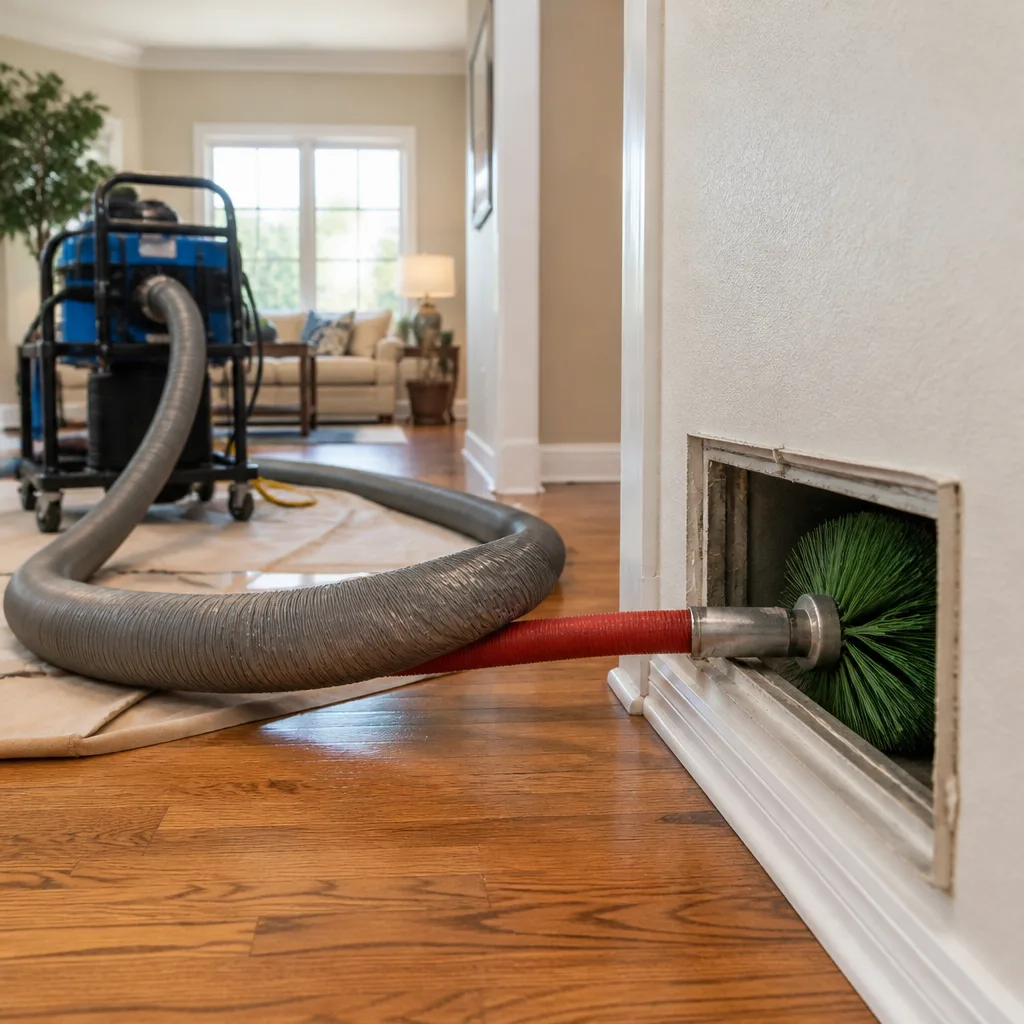 Whole-home duct cleaning
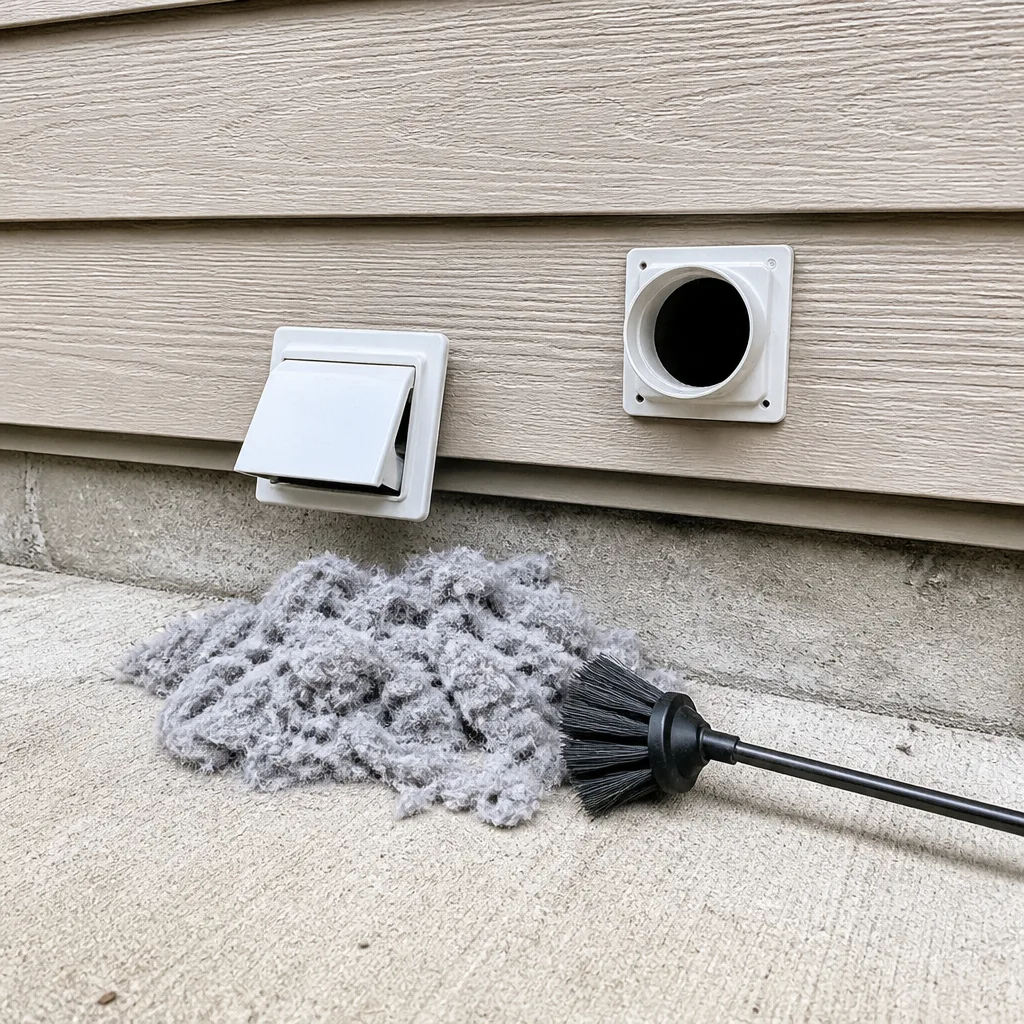 Dryer vent cleaning
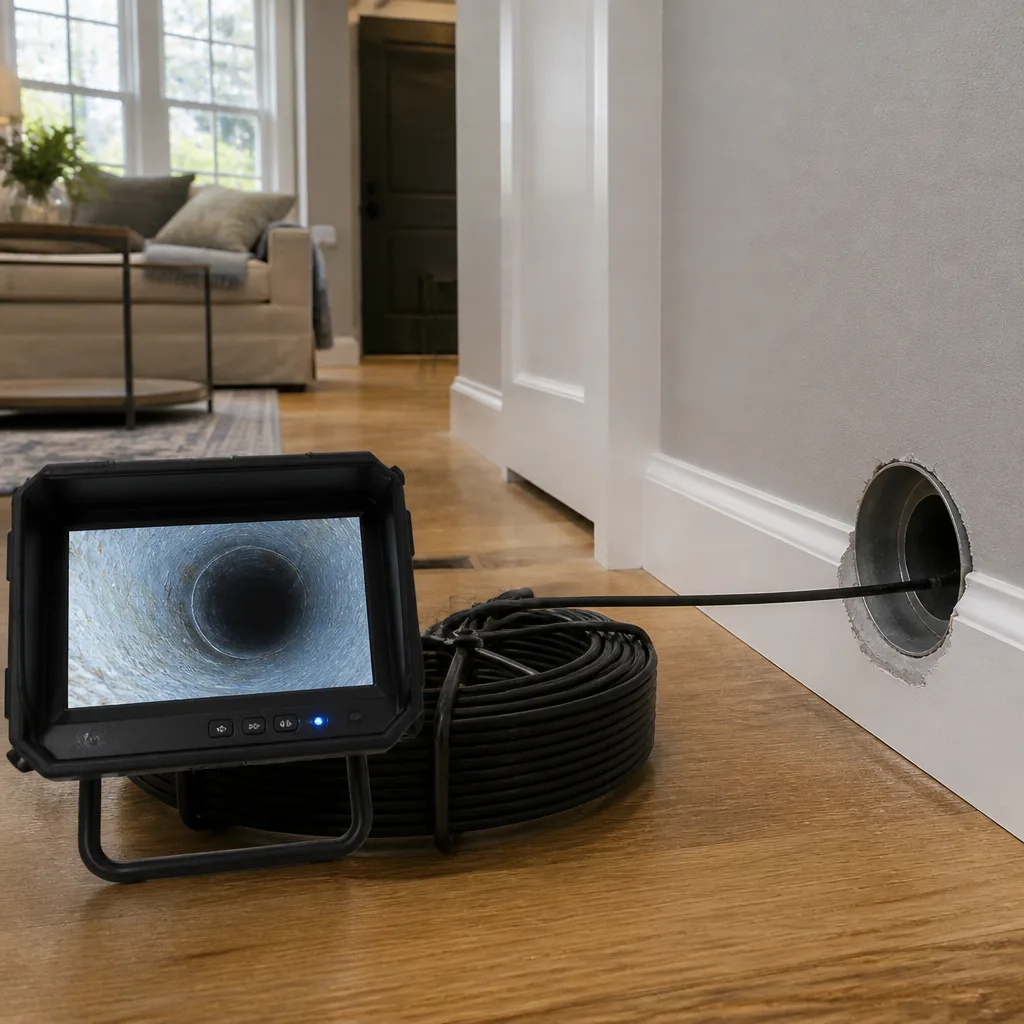 Camera inspection
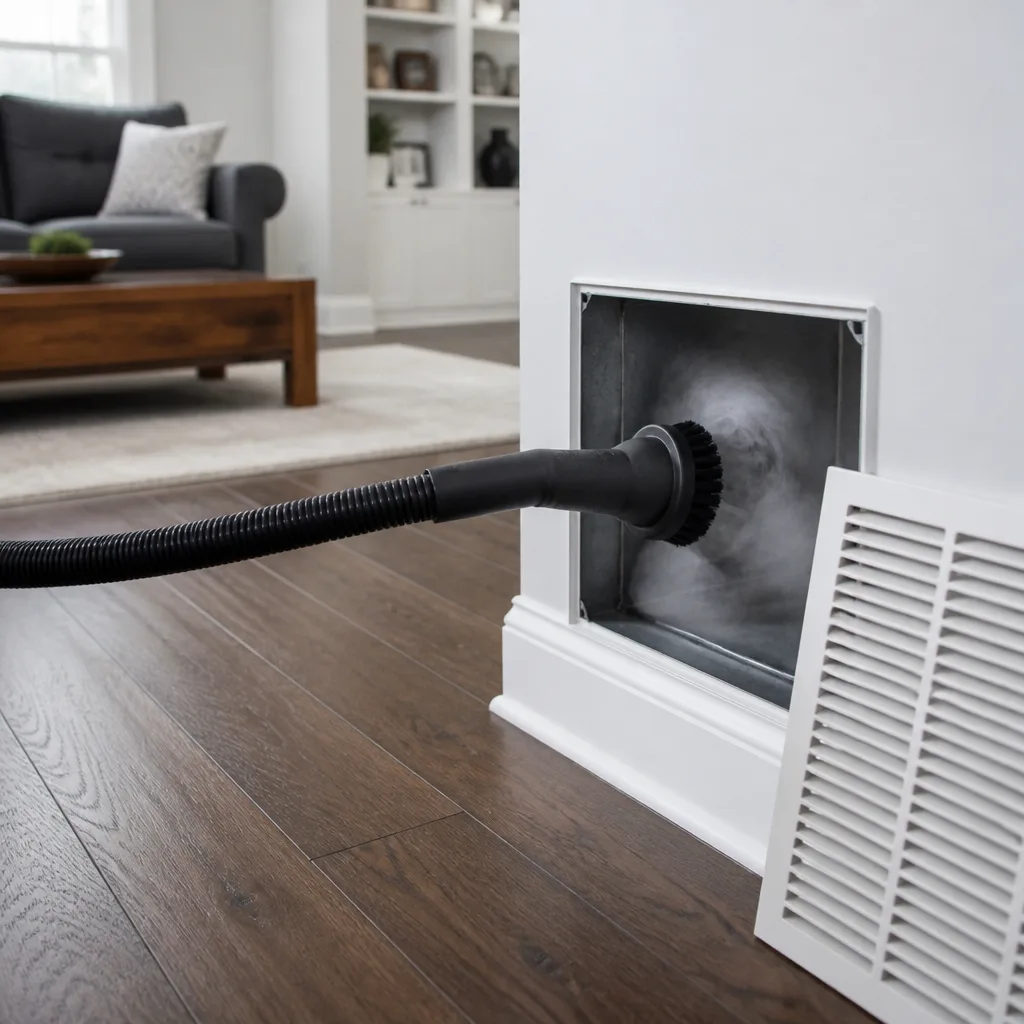 Sanitizing & deodorizing
Whole-system duct and dryer vent check with before-and-after photos - you see exactly what came out of your vents
That "$99 whole-house special" is a bait ad - the real number appears once they are in your hallway, or the "clean" is a shop-vac at the register. We photograph the inside of your ducts before and after instead.
Air Duct Cleaning Emergency Preparedness Guide for Corona Homes
After a kitchen fire, the instinct is to open the windows and wipe down every visible surface. But the HVAC system was running while the house filled with smoke, and that smoke particulate is now coating the inside of every duct in the house. It becomes a health hazard the moment the system runs again. The same pattern repeats after floods, sewage backups, pest infestations, and major renovations: the ducts are the last thing anyone thinks about and the first thing that should be assessed. This guide walks Corona homeowners through the duct-system side of five common emergencies, what the right first response looks like, and how to document everything so an insurance claim holds up.
Quick Answer
In a fire, flood, sewage backup, pest infestation, or post-renovation situation, shut off the HVAC system first and keep it off until a professional assessment is done. Wet duct liner should be treated within 48-72 hours before mold colonization sets in, and smoke residue from a fire often requires remediation-grade cleaning rather than standard duct cleaning. Corona Air Duct Cleaning can assess the system, document conditions for your insurer, and handle the cleaning, sealing, or sanitizing work in one visit.
Styles & brands we work with
- Whole-home duct cleaning
- Dryer vent cleaning
- Camera inspection
- Sanitizing & deodorizing
Table of Contents
- Fire and Smoke Events: The First 24 Hours
- Flood and Water Intrusion: The 48-72 Hour Window
- Pest Infestation Aftermath: Decontamination Sequence
- Post-Renovation Contamination: Dust, Compound, and Fiber
- Insurance Coordination: The Documentation That Matters
- Why Corona’s Housing Stock Complicates Duct Emergencies
- Common Mistakes to Avoid
- When to Call a Professional
Fire and Smoke Events: The First 24 Hours
The single most important thing after a house fire is to shut down the HVAC system and leave it off. Smoke residue contains combustion byproducts – soot, char, partially burned synthetic compounds, and in some cases ash from insulation or drywall. When the system runs, it pulls that residue through the return air, pushes it out every supply register, and re-deposits it on surfaces the fire never touched. Every hour the system runs after the fire increases the remediation scope.
What actually happens on a post-fire duct assessment is more involved than a visual check. A credible inspection covers:
- Interior condition of the return plenum and main trunk line, where soot tends to collect first
- Supply branch lines, especially those closest to the fire room
- The air handler cabinet and blower wheel, which are frequently the dirtiest component post-fire
- The evaporator coil, which traps particulate and can spread smoke odor every time the system cycles
- Flex duct runs, which are difficult to clean and often need replacement if the liner is impregnated
Standard duct cleaning – the truck-mounted vacuum and brush pass – is not sufficient for fire residue. Soot from combustion chemically bonds to duct surfaces and continues off-gassing odor for months. What’s needed is a remediation-grade process: HEPA-grade negative air containment to prevent cross-contamination to unaffected rooms, mechanical agitation with contact-vacuum equipment like the Rotobrush systems we use, and then chemical deodorization and sanitizing. Abatement Technologies equipment is designed for exactly this standard of containment, and it’s what we bring to smoke-damaged systems in Corona.
One detail many homeowners don’t realize: the air handler should be assessed for soot on the motor windings and blower assembly. A blower wheel caked in soot is a fire and health risk even after the ducts are cleaned. Post-fire HVAC cleaning is usually a separate scope from duct cleaning for that reason.
Flood and Water Intrusion: The 48-72 Hour Window
Wet duct liner will grow mold. That’s not a matter of if, it’s a matter of when. In Corona’s humid summer months, mold colonization in wet fiberglass or insulated flex duct can begin within 48-72 hours of water contact. If a basement flood, a burst pipe, or a roof leak has reached the ductwork, the clock starts the moment the water stops.
What that means for the homeowner is simple: get the system off, get the space dry, and get a professional assessment fast. Fans and dehumidifiers help the surrounding structure, but they can’t dry the inside of saturated duct liner, which is why the ducts are usually the last component to be fully remediated and the first to fail if left alone.
There’s a decision point in flood situations where cleaning stops being the right answer:
- Surface contamination only – cleaning and sanitizing is usually sufficient
- Light moisture without liner saturation – aggressive drying plus cleaning and sanitizing
- Liner saturated or visibly moldy – duct replacement is the correct response, not cleaning
- Structural damage to duct supports or joints – repair and sealing along with cleaning, or replacement
Documentation is critical in a water event because insurers require evidence of pre-remediation conditions. A contractor should photograph every affected run, record moisture readings, and note the affected square footage before any work begins. That record protects your claim and confirms exactly what was replaced versus cleaned. In Corona homes with finished basements and flex-duct systems, this pre-work documentation is what separates an approved claim from a fight.
Pest Infestation Aftermath: Decontamination Sequence
Rodents, squirrels, birds, and roaches leave more behind in a duct system than most people realize. Nesting material, droppings, shed fur, feathers, insect casings, and dander coat duct surfaces and become airborne every time the system runs. That’s a respiratory problem and, with rodents, a contamination problem that warrants professional response rather than a shop vacuum.
The sequence matters. Cleaning before decontamination just spreads the problem. What a proper pest-related remediation looks like is:
- Remove the pest source first. Sealing entry points, removing nesting material, and confirming no animals remain – all before any duct work.
- Contain the affected system. Negative air pressure on the duct system prevents debris from drifting into living space during the cleaning pass.
- Mechanically remove debris. Contact-vacuum agitation through the whole system, not just the trunk line.
- Sanitize with an EPA-registered product appropriate for HVAC interiors. This is the step most budget competitors skip.
- Seal and repair the entry point so the same infestation cannot recur. This is why we offer air duct cleaning together with duct repair and sealing – cleaning alone leaves the door open for the next round.
Pest-related dander is one of the more stubborn contaminants to fully remove from flex duct because the liner absorbs oils from the animal. Where contamination is heavy or the liner is compromised, replacement of affected branches is often the honest recommendation. We’d rather tell a Corona homeowner to replace two short runs than sanitize something that won’t stay clean.
Post-Renovation Contamination: Dust, Compound, and Fiber
The rule for any renovation in a Corona home is simple: shut down the HVAC system the day demolition starts and keep it shut until the final cleaning pass. Drywall dust is fine, abrasive, and finds every gap in a return. Joint compound residue is alkaline and mildly corrosive to blower bearings and coil fins over time. Insulation fiber from wall cavities gets pulled straight into the return and redistributed through the house. Running the system during a renovation turns a localized mess into a whole-house contamination event.
A proper post-work protocol for a renovation looks like this:
- Confirm the renovation is complete and all dust-generating work has stopped.
- Replace the HVAC filter (do this before any duct cleaning, not after).
- Clean every supply register and return grille, including the boots behind the grilles.
- Run a full contact-vacuum pass over the duct system with negative air containment.
- Clean the air handler and blower wheel, which absorb the majority of construction dust.
- Install a fresh filter and verify static pressure is back to a normal range.
Where the renovation involved a bathroom, kitchen, or finished basement, the return ducting closest to that space is the priority. Construction debris in Corona’s older homes often includes plaster dust on top of modern drywall dust, which is denser and settles further into the duct liner. If the renovation ran longer than a couple of weeks with the system on, a professional-grade extraction is the only way to get the system back to baseline.
Insurance Coordination: The Documentation That Matters
Insurance claims for duct remediation live or die on documentation. An adjuster will want to see pre-remediation conditions, the scope of work proposed, the standard the work is being completed to, and the post-remediation verification. A credible contractor should produce all of it without being asked.
What we produce for Corona homeowners filing a claim:
- Photo documentation of every affected duct run and component, labeled by location
- Moisture readings where water intrusion is involved
- A written scope distinguishing cleaning from replacement, with justification for each
- Reference to applicable standards. NADCA (National Air Duct Cleaners Association) assessment, cleaning, and restoration standards and IICRC S520 (mold remediation) or S500 (water damage) are the ones adjusters recognize.
- Post-remediation verification photos showing the same runs in their cleaned state
- An itemized invoice that lines up with the written scope
Our position is that the contractor should not be the one deciding whether replacement is warranted in a borderline case – that’s an adjuster decision informed by the documentation. When the record is complete, the claim tends to move faster and dispute less. If your insurer sends an independent assessor, we walk them through the same record.
Why Corona’s Housing Stock Complicates Duct Emergencies
Corona’s mix of pre-war rowhouses near National Street and Junction Boulevard, mid-century capes and ranches in the residential blocks toward 108th Street, and newer construction off Roosevelt Avenue gives local duct emergencies a particular character. The older homes tend to have original galvanized rectangular ductwork, which holds up in a fire but is harder to fully clean and often has gaps that need sealing as part of the remediation. The mid-century homes often had flex duct retrofits, and flex is the first thing to be compromised by water or pest intrusion. Newer builds typically have tighter systems but more air handler capacity, which means a blower wheel can spread contamination faster.
Corona’s climate also plays a role. The humid summers put real pressure on any wet duct liner to colonize with mold quickly, and the cold winters keep the system running almost year-round, which means any contamination event cycles through the house constantly. That combination is why we treat assessment, cleaning, sanitizing, and sealing as one scope rather than separate visits. Fixing the contamination while leaving the entry point open wastes the homeowner’s money and our time.
Common Mistakes to Avoid
- Running the HVAC system “just to check” after a fire or flood. Every cycle distributes the contaminant further into the house. Shut it off and keep it off until a professional evaluates it.
- Waiting more than 72 hours after water intrusion. Mold colonizes wet duct liner faster than most homeowners expect, especially in Corona’s summer humidity. The earlier the assessment, the more likely cleaning is sufficient and replacement isn’t needed.
- Hiring a duct cleaner before a remediation-grade contractor for fire or pest damage. Standard cleaning equipment isn’t rated for combustion residue or biological contamination. The equipment scope matters for insurance claims, too.
- Skipping the seal and repair step. Cleaning without sealing gaps in the ductwork means the same contaminants re-enter the system quickly. Duct leakage is a root cause, not a detail.
- Cleaning ducts but not the air handler. The blower wheel and evaporator coil trap the same contaminants that coat the ducts. Leaving them dirty re-contaminates the clean system on the first cycle.
- Failing to document before work starts. Adjusters need pre-remediation photos and moisture readings. Once cleaning begins, that record is gone.
- Assuming a renovation doesn’t need a post-work cleaning. Construction dust and insulation fiber pull into the return and stay there. A quick filter change doesn’t address what’s already in the ducts.
When to Call a Professional
Call us when any of the following has happened and the HVAC system was running or could have been exposed: a fire in the home, water intrusion reaching the ductwork or air handler, evidence of rodents or insects in the duct system, a renovation that ran more than a few days with the system on, or a sewage backup anywhere near a return. These are the scenarios where standard cleaning isn’t sufficient and remediation-grade work is the right scope. If you’re not sure, an assessment is the low-cost, high-value step: it tells you exactly what you’re dealing with before you spend money on the wrong fix.
Corona Air Duct Cleaning offers free estimates in Corona – call (866) 937-7810. We answer 24/7. Fast dispatch from 7am to 7pm, Sunday through Friday.
See the difference
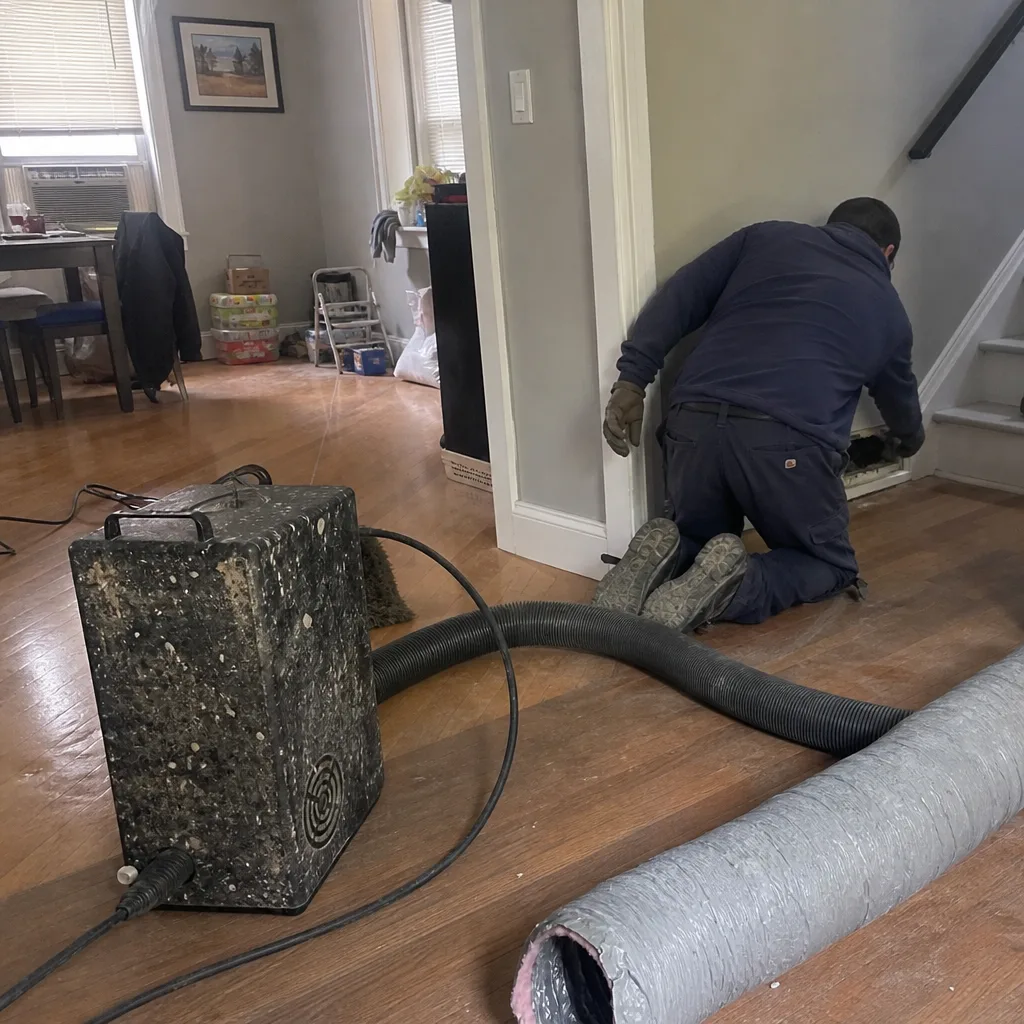 Before
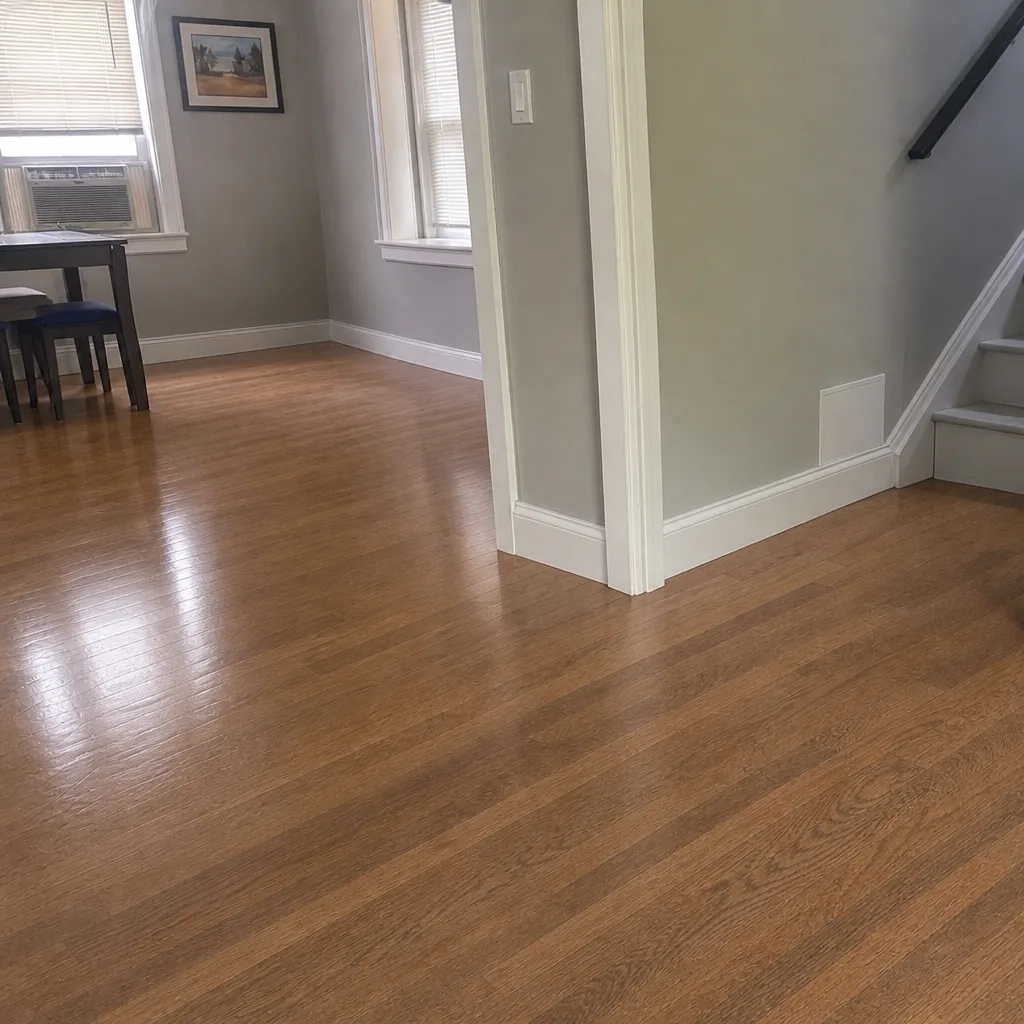 After
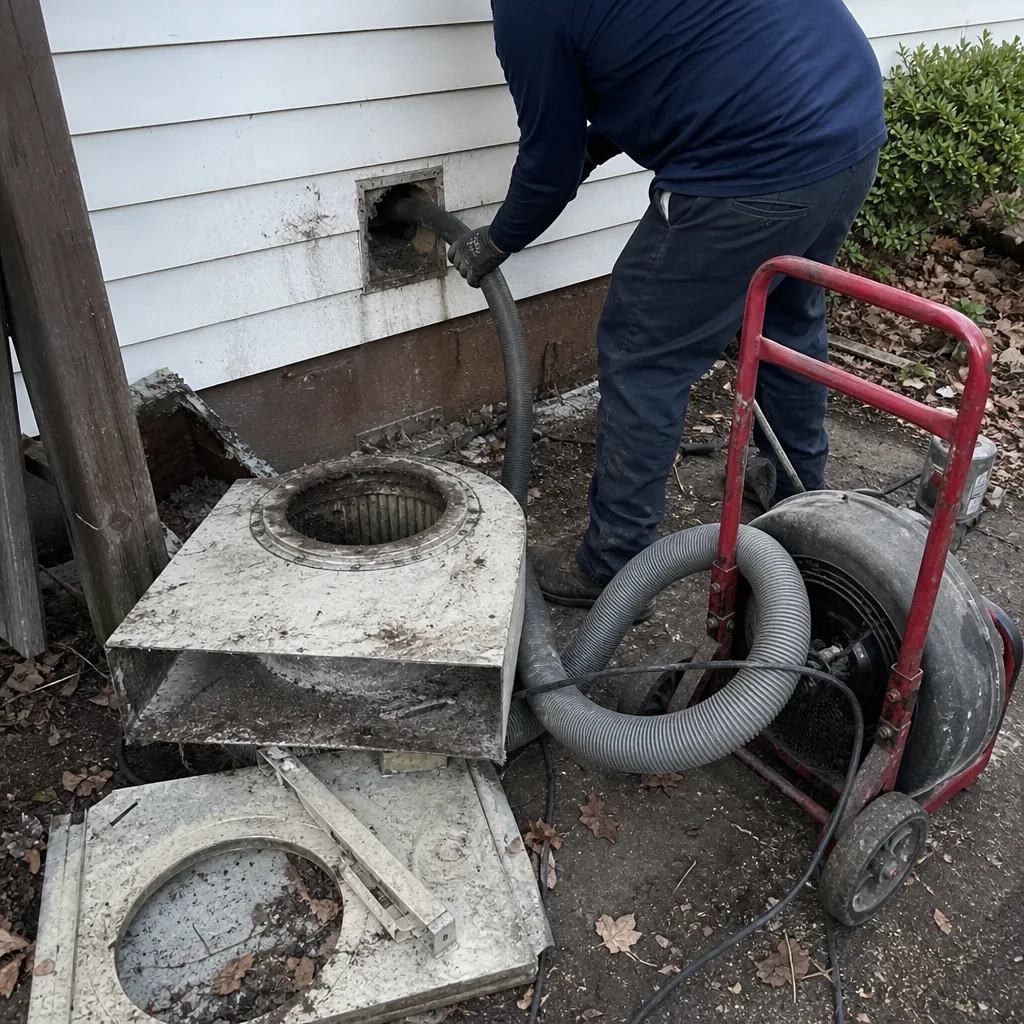 Before
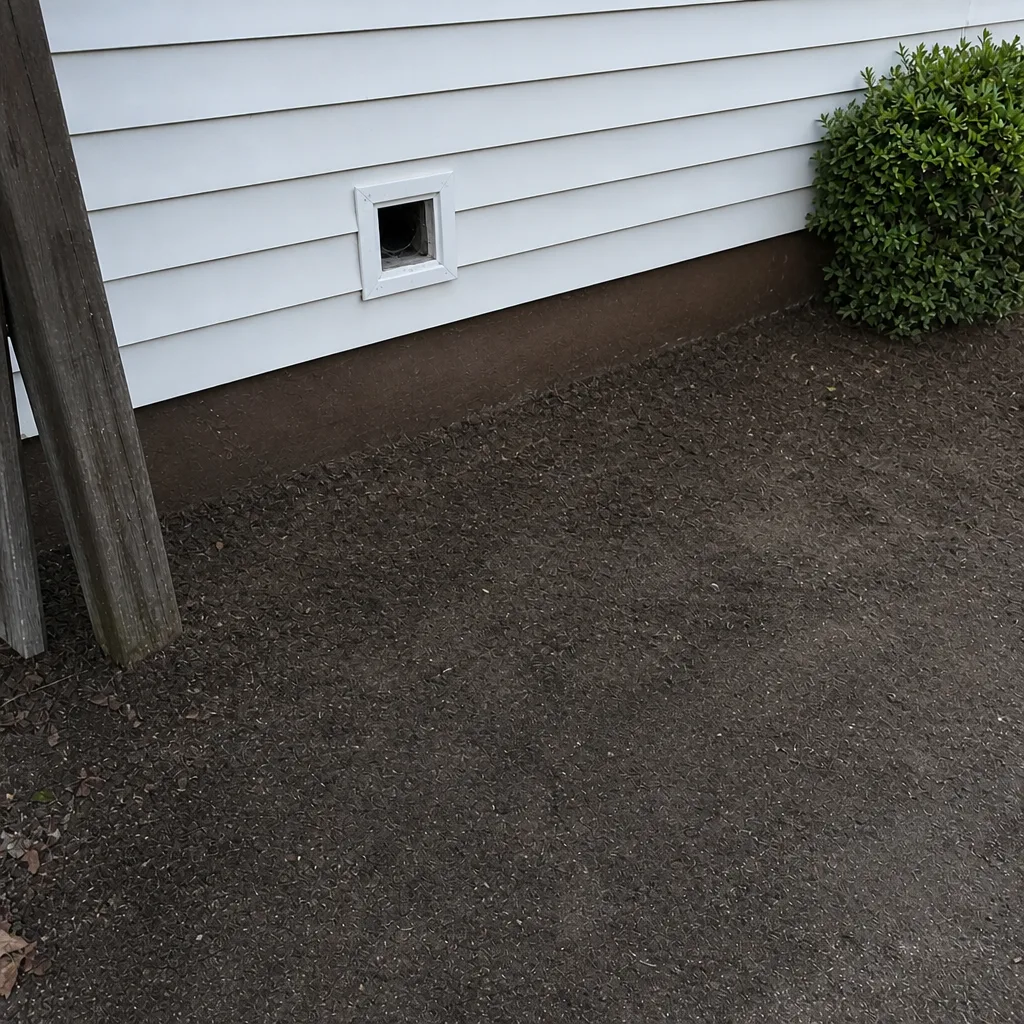 After
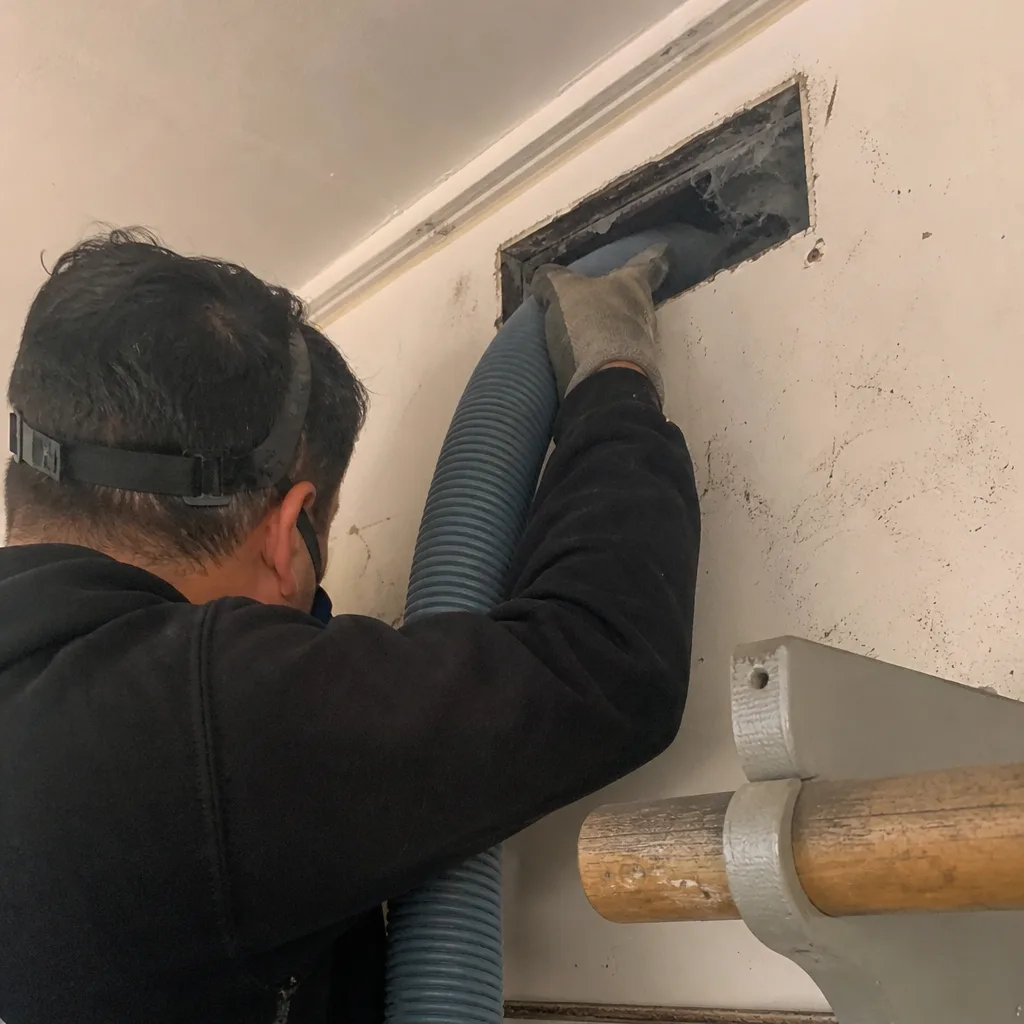 Before
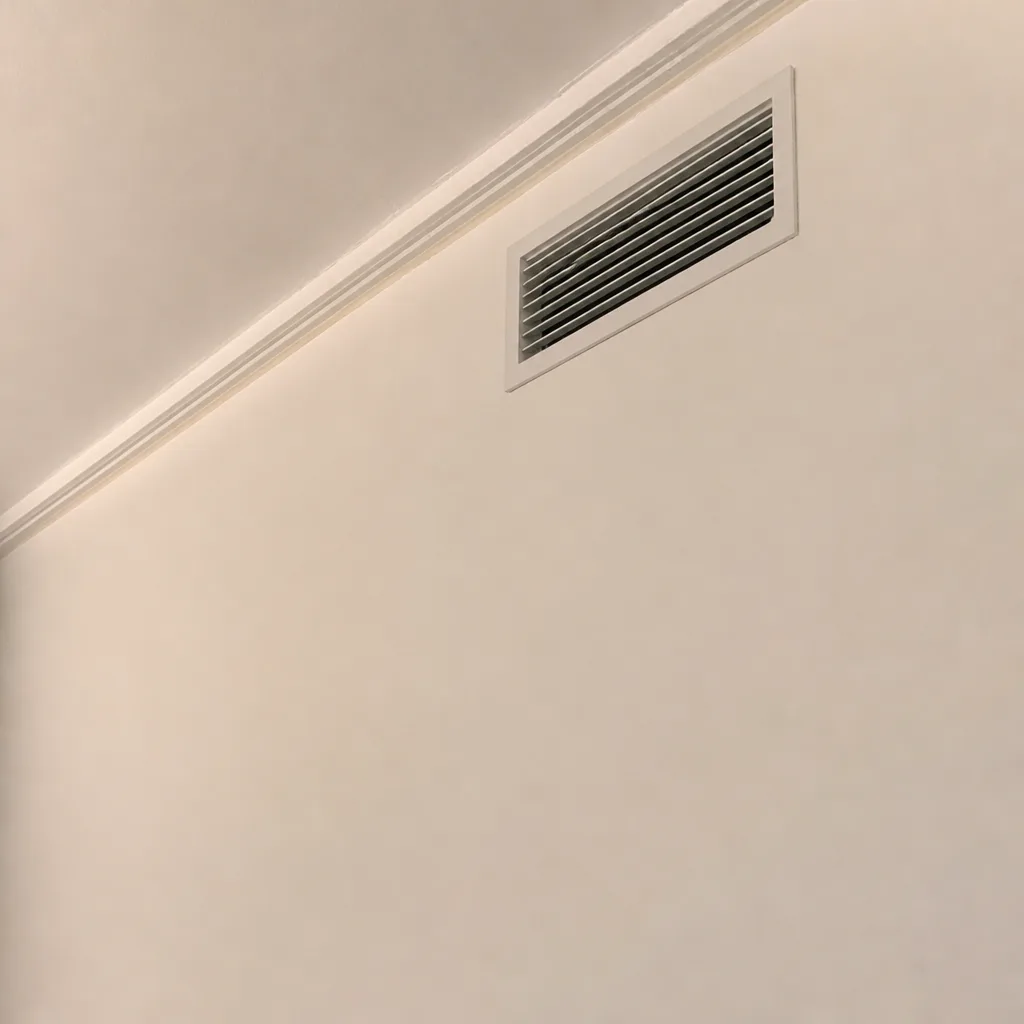 After
Frequently Asked Questions
Yes. Even a small fire distributes smoke particulate through the return air if the system is running or is turned on afterward. Shut it off at the thermostat immediately and leave it off until a professional assessment confirms the system is clean. Visible smoke damage on kitchen surfaces is only part of the picture.
Mold colonization in wet duct liner can begin within 48-72 hours, and faster during Corona’s humid summer months. If water reached the ductwork, treat the assessment as urgent rather than convenient. Call (866) 937-7810 for an assessment – estimates are free.
Most smoke-damaged ducts can be cleaned with remediation-grade equipment plus deodorizing and sanitizing. Heavy residue, saturated flex duct, or liner that’s holding odor after cleaning usually needs replacement, and a proper assessment will tell you which runs fall into which category. Photographic documentation of pre-remediation conditions is what lets the insurance claim and the scope line up.
An EPA-registered sanitizer is a product evaluated for its antimicrobial claims under EPA rules, applied at label-specified concentrations inside the duct system. Air freshening is a scent – it doesn’t reduce contaminant load and isn’t a remediation step. In a fire, pest, or flood situation, the sanitizing step needs to be the first kind, not the second.
Most standard homeowner’s policies cover duct remediation when the loss is a covered event like a fire or sudden water discharge. The claim depends on documentation: pre-remediation photos, moisture readings, a written scope, and post-remediation verification. Our team supplies all of it so your adjuster has what they need to evaluate the claim quickly.
Ask for before-and-after photographs of your own ducts, not stock images, and a written scope that names each component cleaned or replaced. A credible contractor produces both without being pushed. That documentation is also what your insurer needs if the work is part of a claim.
The Bottom Line
The duct-system dimension of a home emergency is the one most homeowners learn about after the fact. The pattern is consistent: shut down the HVAC at the first sign of fire, water, pests, or major renovation; get an assessment inside the first 72 hours; document everything before cleaning starts; and expect that the correct scope may include repair, sealing, and sanitizing alongside cleaning, not instead of it. Our technicians have up to 15 years of experience and we work with professional-grade equipment, including Abatement Technologies and Guardsman, so the remediation-level standard is met on every job. For a Corona homeowner, the difference between a well-handled emergency and an expensive one usually comes down to how quickly the system gets shut down and assessed.
Contact Corona Air Duct Cleaning
If your home has been through a fire, water intrusion, pest infestation, or major renovation, the fastest way to know what your duct system actually needs is an assessment. We handle duct cleaning, duct repair and sealing, sanitizing, air quality product work with Honeywell and Aprilaire, and dryer vent cleaning as a single scope, so you don’t have to coordinate multiple contractors. Call Corona Air Duct Cleaning at (866) 937-7810 for a free estimate. We answer 24/7. Fast dispatch from 7am to 7pm, Sunday through Friday. On-site in 60 Minutes.
Written by the team at Corona Air Duct Cleaning.