
Last updated November 22, 2026
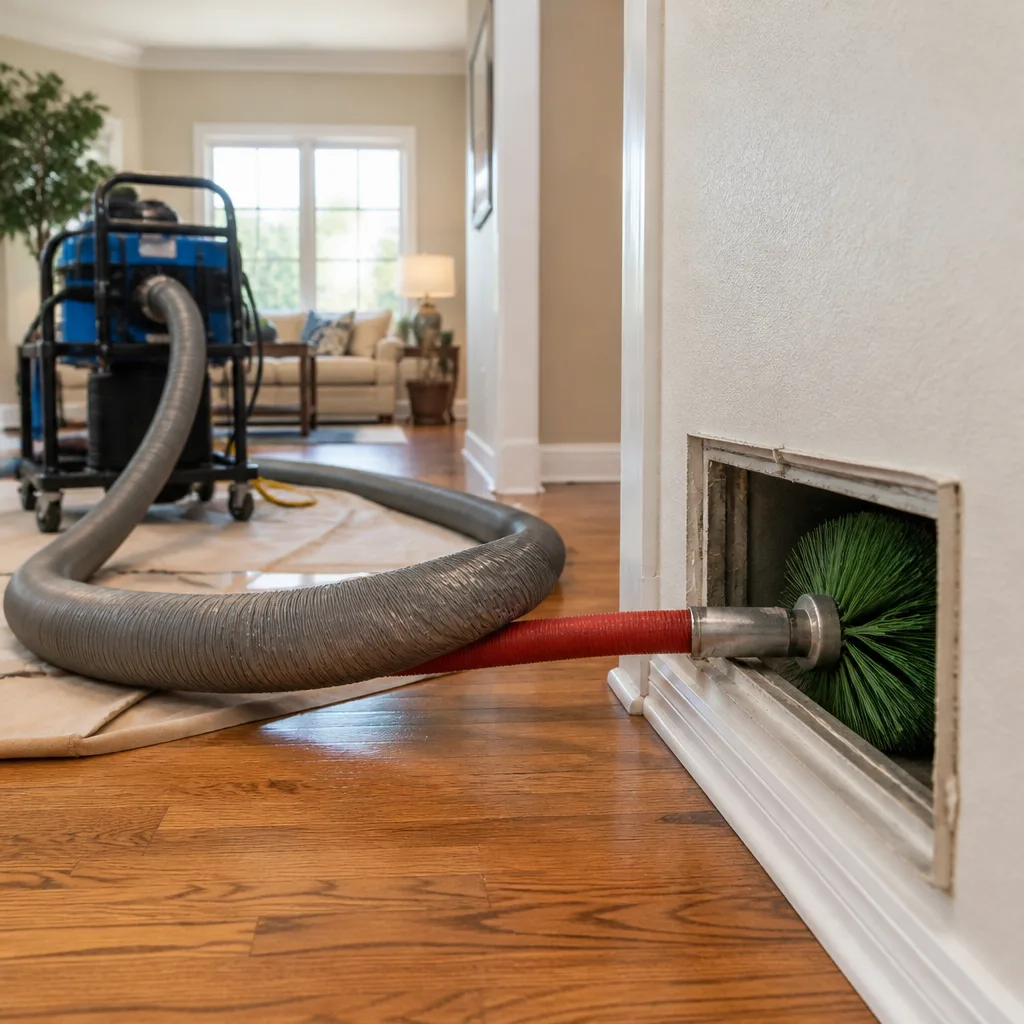 Whole-home duct cleaning
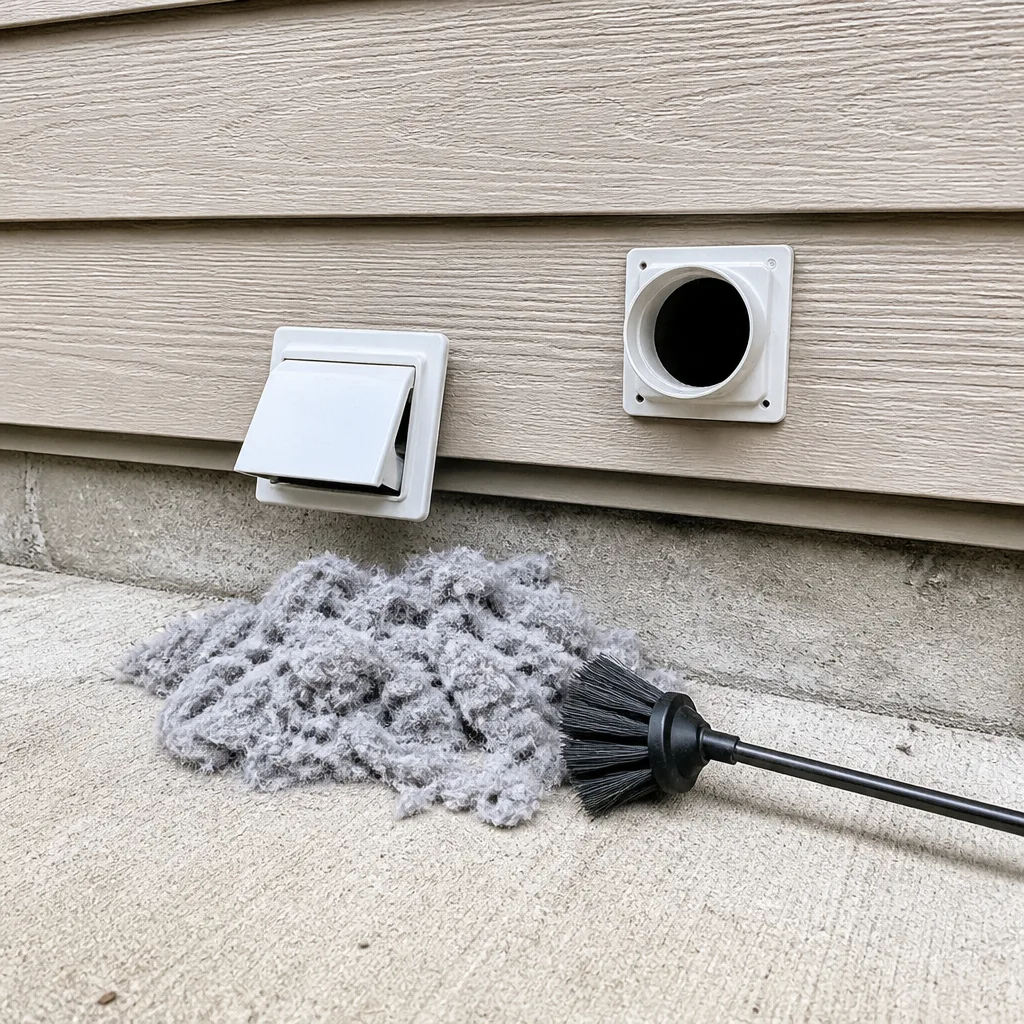 Dryer vent cleaning
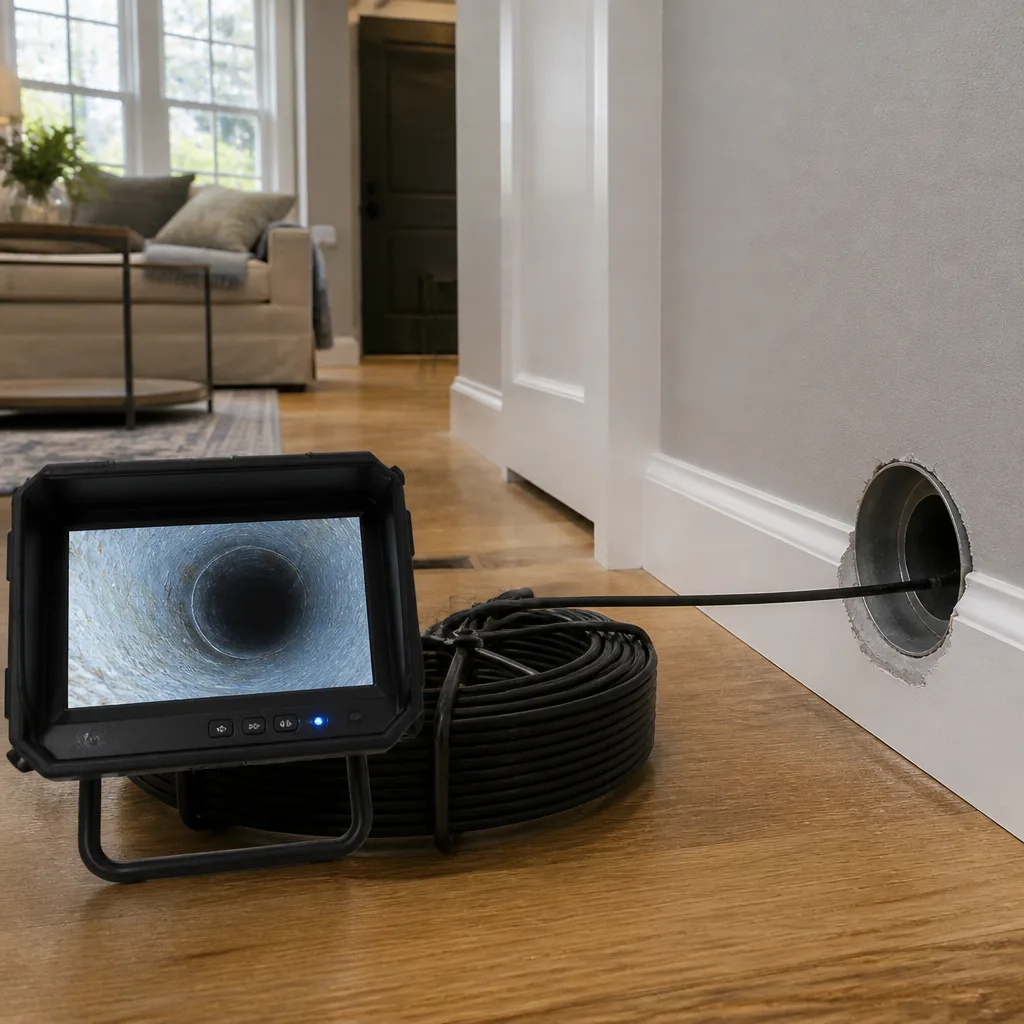 Camera inspection
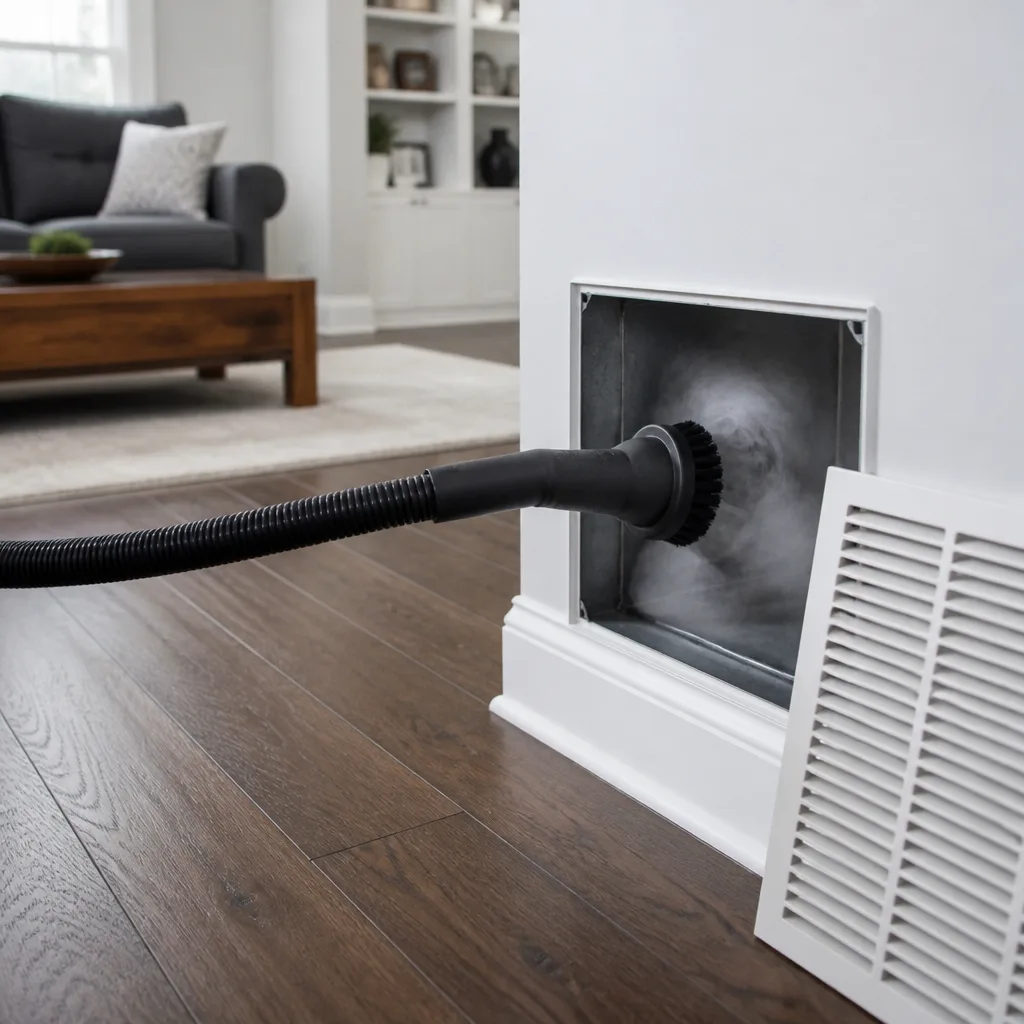 Sanitizing & deodorizing
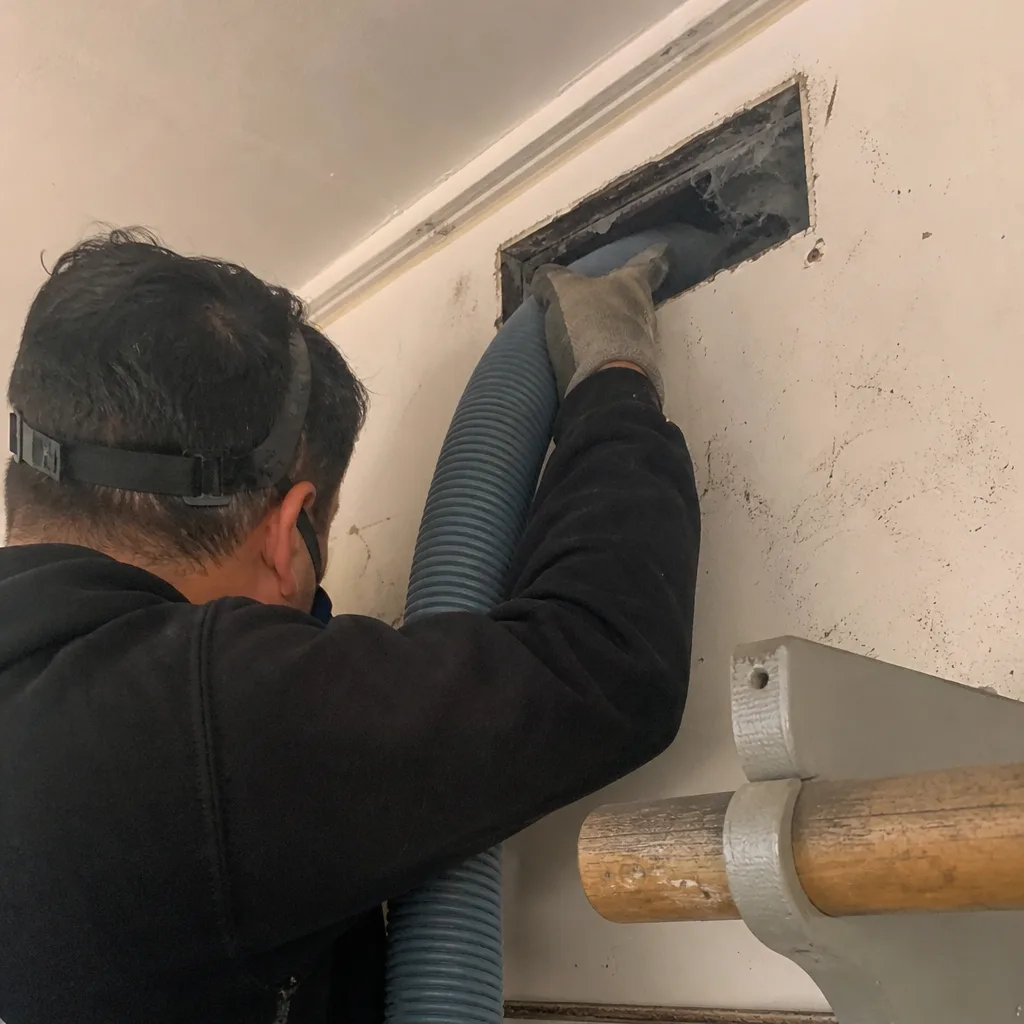
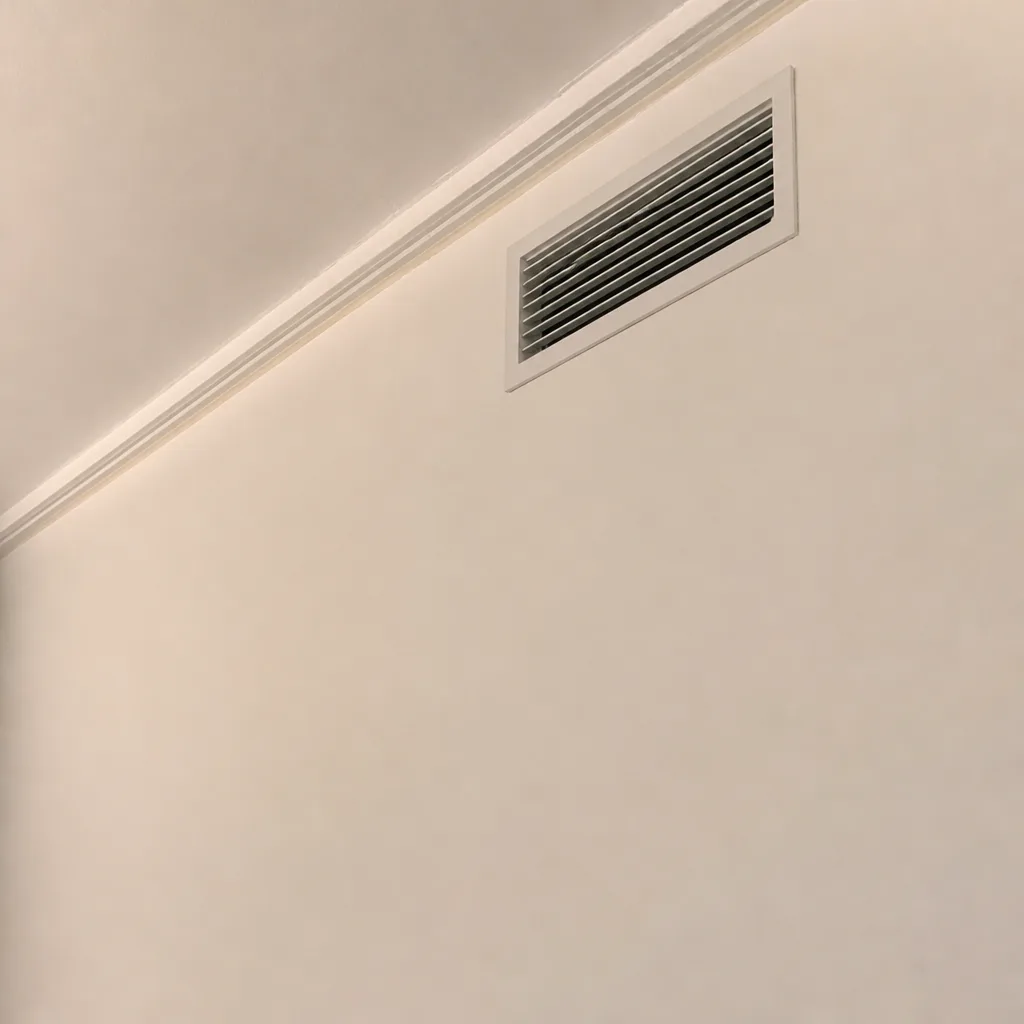
Whole-system duct and dryer vent check with before-and-after photos - you see exactly what came out of your vents
That "$99 whole-house special" is a bait ad - the real number appears once they are in your hallway, or the "clean" is a shop-vac at the register. We photograph the inside of your ducts before and after instead.
Air Duct Cleaning Maintenance Checklist for Corona Homeowners
Changing your filter on schedule while ignoring return grille buildup is the HVAC equivalent of washing the windows but never mopping the floor. The system is still moving dirty air. Most duct maintenance advice fails Corona homeowners for the same reason: it hands out calendar dates instead of observable signs. A checklist built around what you can see and measure works better than one built around a schedule someone else picked. In this guide we’ll walk through a tiered inspection routine for Corona homes, show you exactly what a failing grille or contaminated duct section looks like, and explain the local conditions that speed contamination up.
Quick Answer
A working duct maintenance checklist for a Corona home has three tiers: a monthly visual scan of return grilles and the filter slot, a quarterly filter and grille inspection with pass/fail criteria, and an annual full-system assessment that includes accessible duct sections and a documented log of findings. Clean or service when the checklist shows a failing indicator, not when a calendar says so. A dated log of what you found each time lets any contractor compare conditions across visits instead of starting blind.
Styles & brands we work with
- Whole-home duct cleaning
- Dryer vent cleaning
- Camera inspection
- Sanitizing & deodorizing
Table of Contents
- Why Calendar Dates Fail and Indicators Work
- Tier 1: The Monthly Visual Scan
- Tier 2: Quarterly Filter and Grille Inspection
- Tier 3: The Annual Full-System Assessment
- How to Read a Return Air Grille
- What to Look For Inside Accessible Duct Sections
- Corona Conditions That Change the Timeline
- How to Log Your Findings So They Actually Help
Why Calendar Dates Fail and Indicators Work
A duct system that needs attention every eight months in one Corona home might be fine for two years in the next. The variable isn’t the calendar. It’s occupancy, nearby construction, whether the previous owner sealed the duct joints, and how the return air path was run. That’s why a checklist keyed to what you observe beats a reminder that fires on a fixed date.
Think about what an indicator actually is. A filter that’s visibly gray across the full face is an indicator. A return grille with a dark halo around its edges is an indicator. A faint musty smell that shows up when the fan starts is an indicator. Each of these tells you something specific about where contamination is entering or accumulating. A date tells you nothing except that time passed.
In our experience the homes that stay cleanest are the ones where someone actually looks at the return side of the system once a month. That’s it. Not a fancier filter, not a gadget. Just eyes on the grilles and the filter slot, written down. Corona homes with forced air retrofitted into older radiator-era buildings are especially worth this habit, because the duct runs in those buildings were often added after the fact and aren’t always sealed at the joints. When you start paying attention to indicators, you also start noticing where the system is leaking – which is exactly the root cause that cleaning alone doesn’t fix. You can read more about our air duct cleaning scope if you want to see how a full-system assessment compares to a plain vacuum visit.
Tier 1: The Monthly Visual Scan
Fifteen minutes once a month. No tools beyond a flashlight and your phone. The point of this tier is early detection, not diagnosis. You’re looking for changes from last month.
- Check every return air grille. Walk the house and look at each return. Note any grille that looks darker than the others or has visible buildup in the slots.
- Open the filter slot and look at the filter face. You don’t have to change it. Just look. Is the gray even across the surface or concentrated in one area?
- Look at the supply registers. A fine dust streak on the ceiling or wall near a supply register is a sign the register isn’t seated tightly or the duct is leaking at that point.
- Listen and smell when the fan starts. A musty or stale smell at startup is worth writing down with the date.
- Snap one photo of each grille. Same angle every month. Photos let you spot change that’s too slow to notice in person.
Log each item and the date. That’s the whole tier. It’s simple, and it’s the tier most homeowners skip. If you do only one thing from this checklist, do this one.
Pass/Fail for the Monthly Scan
- Pass: All return grilles look roughly the same as last month. Filter face is evenly gray or still bright. No new smell at fan startup. Supply registers sit flush.
- Fail: Any grille is visibly darker than its neighbors, a new smell appears at startup, or a register has pulled away from the wall or ceiling. A single fail means move to Tier 2 and consider a professional assessment.
Tier 2: Quarterly Filter and Grille Inspection
Once a quarter, go deeper than the monthly scan. This is where you actually compare the filter against its frame, pull grilles off where they’re accessible, and check that the return path itself is sound.
- Pull the filter and hold it up to the light. If you can’t see light through the fibers, it’s spent regardless of how many months it’s been in service. A filter’s job is airflow with filtration, and a clogged one does neither.
- Inspect the filter slot and frame. Run a finger inside the slot where the filter sits. Grit or a dark paste there is bypass contamination – air going around the filter instead of through it. That’s a fail, even with a fresh filter installed.
- Remove accessible return grilles. Many are held by two screws or simple clips. Look at the inside face of the grille, not just the visible front.
- Check for grille seal. If there’s a visible gap between the grille frame and the drywall or the duct boot behind it, unfiltered air from the room is being pulled in past the filter. That’s a fail.
- Look at the return duct boot, if visible. Where the grille meets the duct, check that the connection is taped or sealed and hasn’t separated.
- Note any change in filter replacement frequency. If you’re changing filters more often than you were six months ago with the same occupancy, something has changed in the system or the surrounding environment.
Pass/Fail for the Quarterly Inspection
- Pass: Filter passes the light test or is replaced. Filter slot and frame are clean. Grille frames sit flush with seals intact. No visible gap at any grille-to-duct connection.
- Fail: Any bypass contamination in the slot. Any separated grille seal. Any gap where room air bypasses the filter. Any grille whose interior face shows heavy buildup. A fail sets the plan for a full-system assessment before the next season change.
This tier is also where sealing comes into the conversation. If you find unsealed joints in the return path, cleaning solves the dirt but not the leak that keeps letting the dirt in. That’s why our HVAC cleaning work includes repair and sealing as a separate step, not an upsell after the vacuum comes out. Sealing addresses the root cause. Cleaning alone doesn’t.
Tier 3: The Annual Full-System Assessment
Once a year, walk the full system with a flashlight, your phone, and your logbook. The point of this tier is a complete record of condition, not a cleaning. Do it in the same month each year so your notes line up with last year’s.
- Photograph every return and supply. Same frames, same angles as last year. Compare side by side.
- Pull any accessible duct sections. In a home with exposed basement or crawlspace runs, you can look directly into sections. In a home with hidden runs, use the inspection openings or ask a professional.
- Check the air handler cabinet and blower area. If your filter is upstream of the blower, the blower wheel and cabinet floor should be clean. A layer of dust there means the filter has been bypassing.
- Check the return plenum. The large sheet-metal box behind the air handler is a common collection point for debris that got past the filter. Any visible buildup there is significant.
- Look at the dryer vent path independently. Lint accumulation in the vent run is a separate fire-safety issue from HVAC dust, but the annual walk is the natural time to check it.
- Review your twelve months of logs. Compare photos from month one against month twelve. Mark anything that got worse.
- Note any change in occupancy, renovation, or nearby construction. These are the factors that move your contamination timeline, and your log should capture them.
If the annual assessment shows a fail on duct condition, sealing, or heavy accumulation in a section you can’t reach, that’s the moment to bring in a professional with contact-vacuum and negative-air equipment. We use Rotobrush contact-vacuum systems and Nikro negative-air machines because a shop vac and a hose create more mess than they remove. If you’re booking that assessment, our Corona Air Duct Cleaning team handles the full-system version rather than a vent-cover vacuum.
How to Read a Return Air Grille
Return grilles are the single most diagnostic surface in the system. A return grille that’s working correctly looks clean and even. A return grille that’s showing a specific pattern is telling you where contamination is entering.
The pattern worth watching for is a layered gray-black dust ring around the perimeter of the grille frame, especially at the top edge. That’s not just a dirty grille. That’s a sign of bypass contamination around the filter frame. What’s happening is that unfiltered room air is getting pulled through the gap between the grille frame and the drywall, or past the filter at the slot, and depositing its dust load right at that edge. The center of the grille can look relatively clean while the ring is obvious.
Why does the perimeter pattern matter? Because it tells you the filter is being bypassed, not that the duct is dirty. Cleaning the duct without fixing the seal just puts the system back in the same state within a few months. That’s why our Duct Repair & Sealing work sits alongside cleaning in our service menu – it fixes the entry point rather than vacuuming after it.
What to Look For on a Grille
- Even light dust across the whole face: Normal operation. Note it and move on.
- Dark ring around the perimeter, lighter center: Bypass contamination. Investigate the filter slot and grille seal this quarter.
- Heavy buildup concentrated on one side: Uneven airflow in that run. Worth a professional look at the return path.
- Paste-like or sticky residue: Usually cooking oil vapor or a humid environment carrying particulate to the grille. Not a biohazard on its own, but it does mean the filter isn’t catching it.
- Fine gray-black deposit that wipes off in a streak: The standard dust pattern. Heavy versions are worth the Tier 2 inspection.
Take the photo of the grille each quarter. When you compare a clean grille photo to a failing one in the same house, the pattern is obvious within seconds. Your log becomes the reference.
What to Look For Inside Accessible Duct Sections
If you have a basement, crawlspace, attic chases, or any exposed duct run, you can look directly into a section with your phone flashlight. That’s a legitimate inspection. What you’re reading is the scale, color, and texture of the deposit.
The Deposit Read
- Light gray, dry, powdery. Ordinary household dust. Normal if thin. Heavy buildup means long interval since cleaning or a filter bypass.
- Dark gray to black, greasy, or paste-like. Cooking vapor and fine particulate that got past a filter. Can appear in kitchens and open-plan homes. Needs cleaning, and the filter setup needs review.
- White or light-colored crust on metal. Mineral scale from humidity condensing and drying. Common in air handlers fed from a humid space.
- Green, black, or brown fuzzy patches. Visible mold growth. Needs professional assessment – and it means there’s moisture in the system that has to be found, not just cleaned. Sanitizing alone doesn’t solve a moisture problem.
- Drywall chunks, sawdust, plaster grit. Construction debris left in the ducts from the original build or a renovation. It doesn’t lift out with airflow. It has to be extracted with contact-vacuum equipment.
How to Look Safely
- Turn the system off at the thermostat before you open anything. It’s not a high-voltage hazard if you stay out of the air handler cabinet, but a running fan pulls dust into the room when you open a section.
- Don’t reach inside blind. Sheet metal edges in ductwork are sharp, and there can be screws or fasteners hidden inside. Look with the flashlight, don’t feel.
- Don’t open the air handler cabinet unless you know what you’re doing. That’s where the electrical and blower components live. A trained technician should be the one going in there.
- Photograph what you see. Same angle each year if possible. A deposit that was 1/16 inch thick last year and is 1/8 inch this year is a measurable trend.
- Reseal what you opened. Foil tape is the standard for duct joints. Do not use duct tape with a cloth backing; it dries and fails. Foil-backed tape holds.
For air quality work – especially if your read turned up mold or heavy particulate in the return plenum – the professional standard often involves HEPA-grade containment, not just a shop vacuum. That’s where equipment like Abatement Technologies machines comes in, because they hold filtration at that level while the work happens. If you want to see how our dryer vent cleaning and duct work compare as home-safety services, both come from the same instinct: address the contamination at the source.
Corona Conditions That Change the Timeline
Corona homes run on a different contamination clock than the generic checklist suggests. The variables below are the ones we’ve watched move the timeline most.
Street-Level Particulate and Traffic Density
Homes on or near busy corridors take in more fine particulate than homes set back on quiet blocks. That doesn’t mean every Corona home needs annual cleaning. It means the grille and filter-slot checks matter more here than they would in a low-traffic subdivision. The rate isn’t uniform across Corona, so the checklist is the tool that catches the difference.
Construction and Renovation Debris
Renovation in a Corona home is worth calling out separately. Drywall dust and plaster grit are far finer and far more abrasive than ordinary household dust, and once they get into a return run they don’t come out with a shop vac. If a home has had drywall work done on the same floor as any return grille, the annual assessment that year should be a real inspection, not a checkbox. New construction nearby and street work both throw particulate into the air, and the supply and return on the street-facing side of the home take the brunt.
Radiator-Era Buildings Retrofitted With Forced Air
Corona has a lot of older buildings where the original heating was radiators or steam, and ductwork was added later to add central air or forced-air heat. Those retrofits are the most common places we find unsealed joints, undersized returns, and filter setups that don’t quite fit the cabinet. If your home has duct runs that look newer or differently installed than the rest of the house, your checklist should focus on the seal quality of the retrofit runs.
Dense Occupancy
More people in a small footprint means more skin cells, more cooking vapor, more movement of particulate. Multi-unit buildings also share return air paths or share wall and floor cavities through which air leaks. Two-family and three-family Corona homes often have HVAC decisions made for one unit that affect the others. If your neighbor’s renovation or a shared cavity is contributing dust into your return plenum, it shows up in the grille pattern and the filter frequency, not in the calendar.
Humidity and Summer Load
Corona’s summers run humid enough to matter. A system that’s handling condensation at the air handler and pushing cold air through ducts that pass through an unconditioned attic will show more mineral scale and more moisture-related buildup in those runs. The quarterly inspection is when you look for that.
How to Log Your Findings So They Actually Help
A contractor who shows up with no record starts from zero. A contractor who shows up with a year of dated photos can compare against conditions in your home and skip the general assessment steps. That’s why the log matters as much as the checklist.
What to Put in the Log
- Date of each check. Every entry, even passes. The gap between entries is itself data.
- Which grilles you checked and their condition. By number or room. Don’t describe without saying which one.
- Filter replacement dates. Note the brand and size, so a future contractor can match.
- One photo per grille per quarter. Same angle each time. Label the file with the date.
- Anything that changed in the home. Renovation, new occupants, a new appliance, a new pet.
- Anything that changed on your block. Construction, street work, a nearby building’s renovation.
- Smell and sound notes at fan startup. These are the symptoms that are easy to write off in the moment and impossible to reconstruct six months later.
Keep the log in a folder on your phone. Not ideal, not a spreadsheet: a photo album with dated entries is enough. A smartphone album sorted by date and named by grille numbers is the log. When we do a full-system assessment, we line up our findings against the homeowner’s log and the difference in what can be diagnosed is significant. Rather than starting blind, we’re confirming a trend. That’s the difference between a cleaning visit and an actual assessment.
Common Mistakes to Avoid
- Changing filters on schedule while skipping the grille check. The filter only catches what reaches it. Bypass contamination at the frame is invisible to a filter-change routine, and it’s the pattern that most reliably predicts a dirty duct system.
- Treating visible dust on a grille as a duct-cleaning trigger. A dusty grille usually means the filter slot, grille seal, or return run needs attention first. Cleaning the ducts without sealing the entry point puts the system back in the same state within months.
- Opening an air handler cabinet to “check the blower.” That cabinet has electrical components and a motor. Unless you know what you’re doing, keep the flashlight on the outside.
- Using cloth-backed duct tape to reseal a joint you opened. It dries out and separates. Foil-backed tape is the correct material for duct sealing.
- Skipping the log because “I’ll remember.” Change in a duct system is slow. Nobody remembers what the grille looked like four months ago. Photos and dates are the only honest record.
- Waiting for a smell before looking. By the time the system smells musty, moisture has usually been present in the ductwork long enough for growth to establish. The checklist catches it earlier.
- Ignoring nearby construction during a renovation year. Drywall dust and street-work particulate are the debris types that don’t lift out with airflow. A renovation year should trigger the annual assessment regardless of what the calendar says.
See the difference
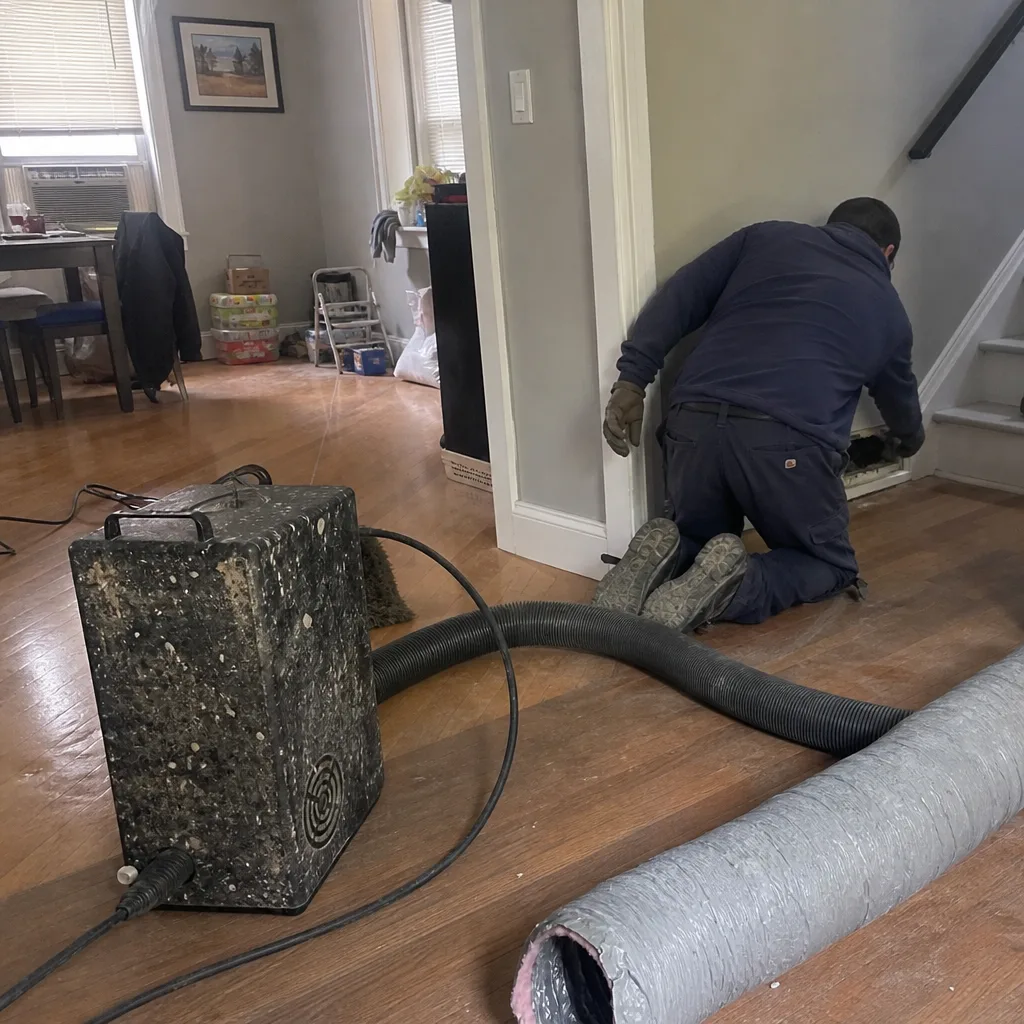 Before
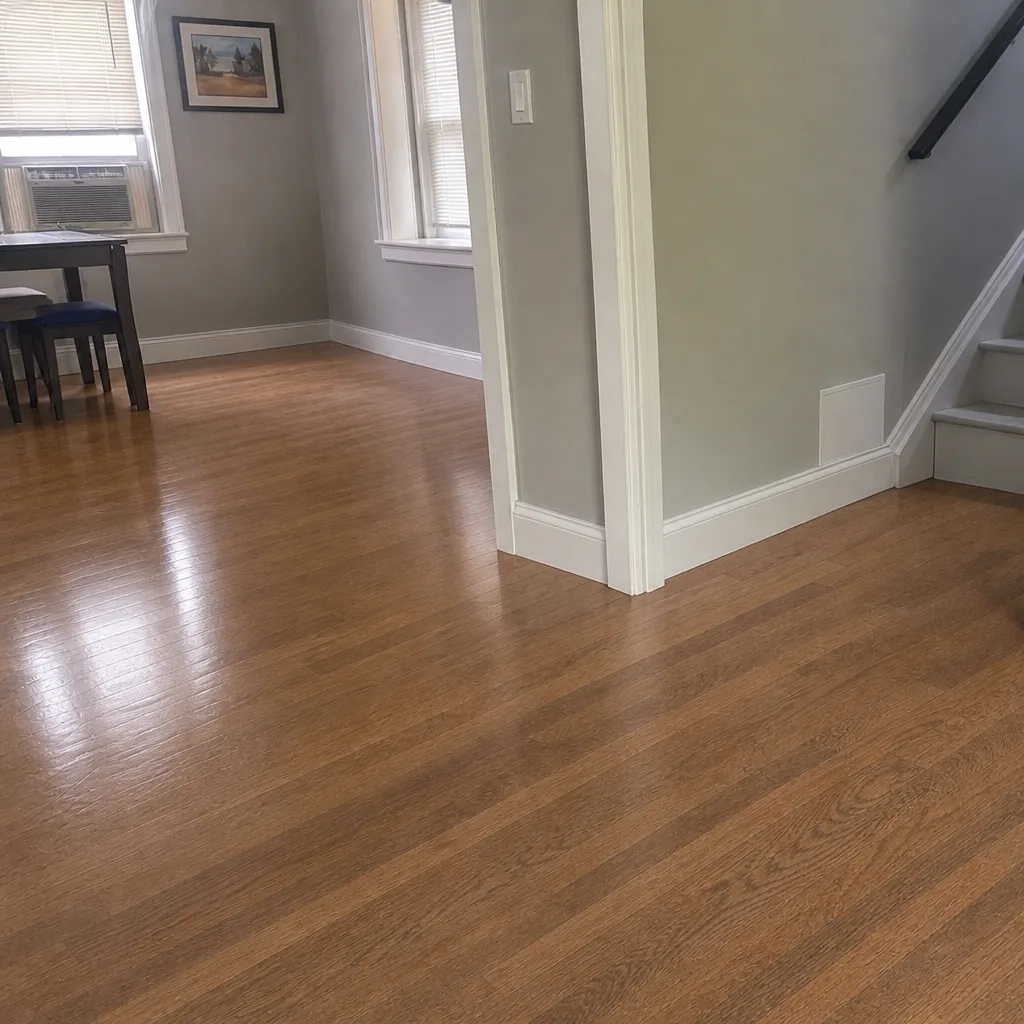 After
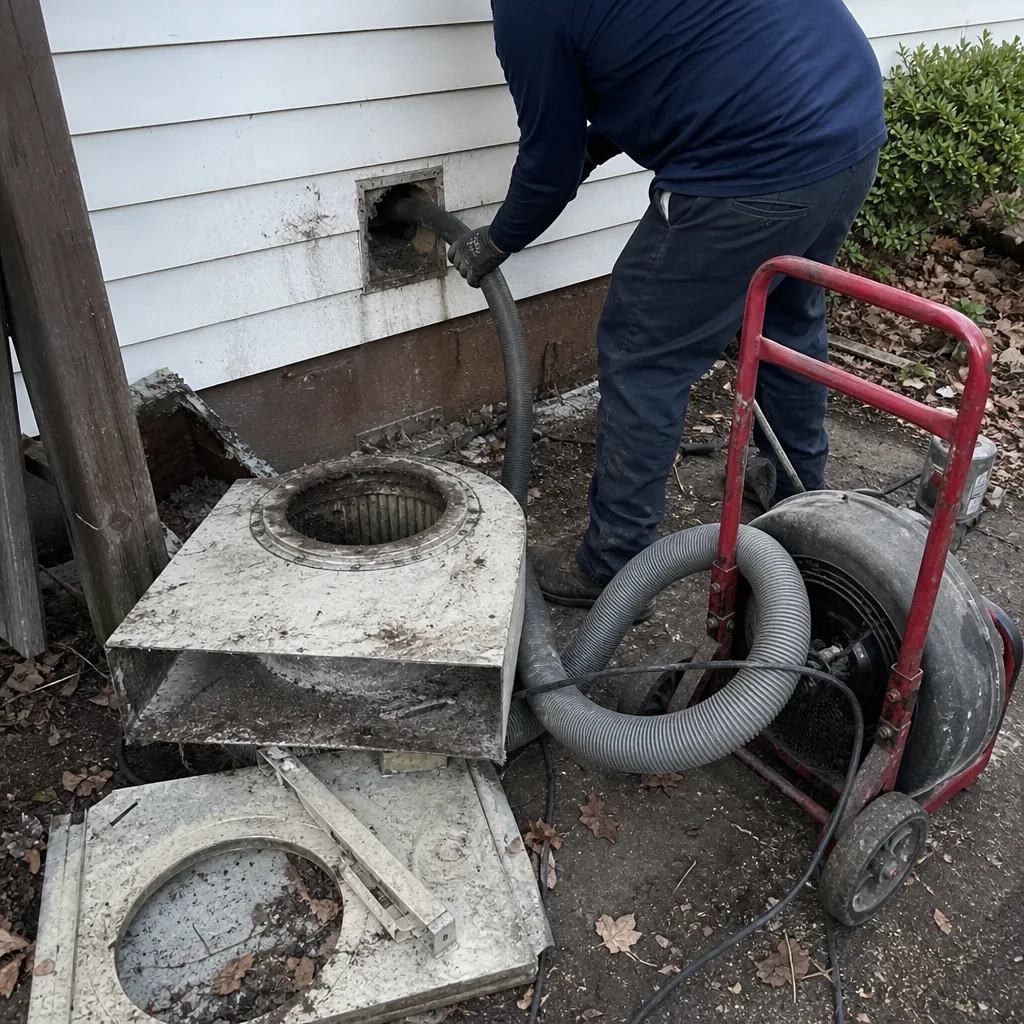 Before
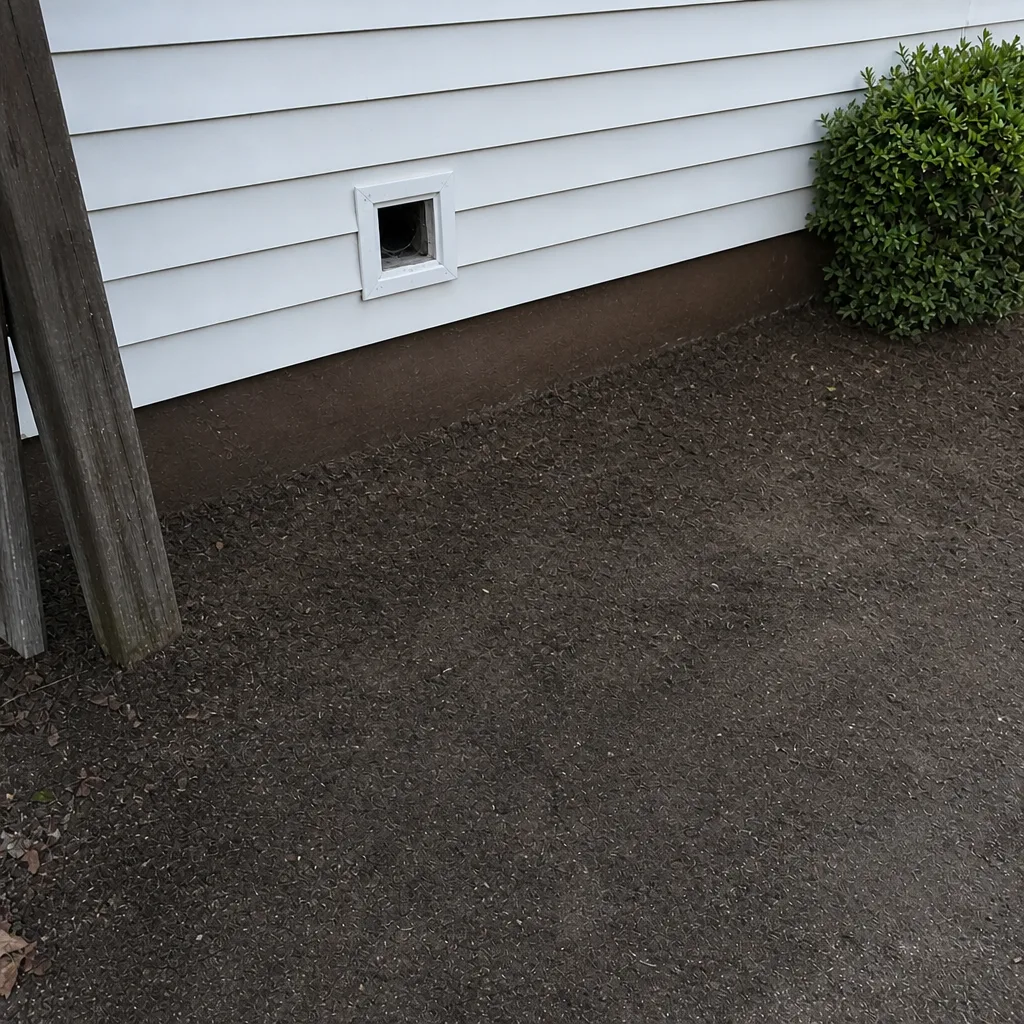 After
 Before
 After
When to Call a Professional
Some fails on this checklist are homeowner-fixable. Others genuinely need a professional because of the equipment the work requires, the risk of making things worse, or the safety component. You should call us when the monthly or quarterly scan shows visible mold growth in a duct, when debris inside an accessible section is construction grit or drywall rather than ordinary dust, when your annual assessment shows heavy accumulation in a section you can’t reach, when you find the return plenum caked with dust behind the air handler, or when the ratio of filter changes has clearly gone up without changes to your household. The right professional uses contact-vacuum and negative-air equipment, and can move straight into duct repair and sealing rather than scheduling a second contractor for the seal. Corona Air Duct Cleaning offers free estimates in Corona. Call (866) 937-7810. We answer 24/7. Fast dispatch from 7am to 7pm, Sunday through Friday.
Frequently Asked Questions
When the checklist shows a failing indicator, not on a fixed calendar. For most Corona homes that means a full cleaning every few years, with the interval driven by grille pattern changes, filter frequency, and local construction activity rather than by the date of the last visit. Homes with heavy bypass contamination or recent renovation can need it sooner; a well-sealed home with a clean return path can go longer. If you’d rather not guess, call (866) 937-7810 for a free estimate and a written condition report.
A dark, gray-black ring or halo around the perimeter of the grille frame, especially at the top edge, with a lighter center. That pattern signals bypass contamination around the filter frame – room air getting pulled through the gap instead of through the filter. It’s a fail on the quarterly inspection and usually points to a sealing problem more than a duct-cleaning one. Call (866) 937-7810 to schedule an assessment; estimates are free.
Yes, for accessible sections. In a basement, crawlspace, or any exposed run, a phone flashlight and a steady hand will show you the deposit type, which is genuinely useful information. What you shouldn’t do is reach inside blind into sheet metal, or open the air handler cabinet, where the blower and electrical components live. Look, photograph, and log. Don’t disassemble. If a read turns up something concerning, call (866) 937-7810 for a free estimate.
Not necessarily the whole system, but it always means a professional assessment rather than a homeowner fix. Visible mold growth inside a duct points to a moisture source in the system, and cleaning without finding and addressing that moisture puts you right back where you started. A remediation-level inspection – using HEPA-grade containment equipment, for example – is the correct next step, because disturbing mold without containment spreads it. Call (866) 937-7810; estimates are free.
Cleaning removes the accumulated contamination. Sealing closes the leaks in the duct system that let contamination in and energy out. The U.S. EPA estimates duct leakage causes 20-30% energy loss in a typical home HVAC system, so sealing is often the higher-value step. In a home where the checklist keeps failing on the same grille every quarter, cleaning alone won’t fix it – sealing will. Call (866) 937-7810 for a free estimate and a written plan for which step your system actually needs.
Because dryer vent lint is a documented leading cause of residential fires, and the annual full-system walk is the natural time to check it. The vent run is separate from the HVAC ducts but the same category of home-safety work, and lint-heavy vent paths don’t clean themselves out. Our dryer vent service exists because most homeowners never look at that run until something goes wrong. Call (866) 937-7810 for a free estimate; we answer 24/7 and dispatch fast from 7am to 7pm, Sunday through Friday.
The Bottom Line
A duct maintenance checklist works when it’s tied to what you can see and measure, not when it’s tied to a calendar. Look at your return grilles monthly. Run the filter and grille inspection quarterly against pass/fail criteria. Do a full-system walk once a year, and log every finding with a dated photo. In Corona specifically, watch the pattern for bypass contamination, take renovation year seriously, and pay attention to retrofitted duct runs in older buildings. When the checklist starts failing on the same grille repeatedly, that’s not a cleaning problem – it’s a sealing one. Our technicians have up to 15 years of experience, and we use professional-grade Rotobrush and Nikro equipment because a real assessment needs tools that actually extract debris. If you’d rather not diagnose it yourself, we’re one call away.
Corona Air Duct Cleaning provides residential and commercial air duct cleaning, dryer vent cleaning, HVAC cleaning, duct repair and sealing, and air quality and sanitizing services. We work with IAQ product lines including Honeywell and Aprilaire, and use Abatement Technologies equipment where remediation-level containment is called for. The estimate is free and the price is set per job by the written estimate. Call (866) 937-7810. We answer 24/7. Fast dispatch from 7am to 7pm, Sunday through Friday.
Written by the team at Corona Air Duct Cleaning.