
Last updated November 22, 2026
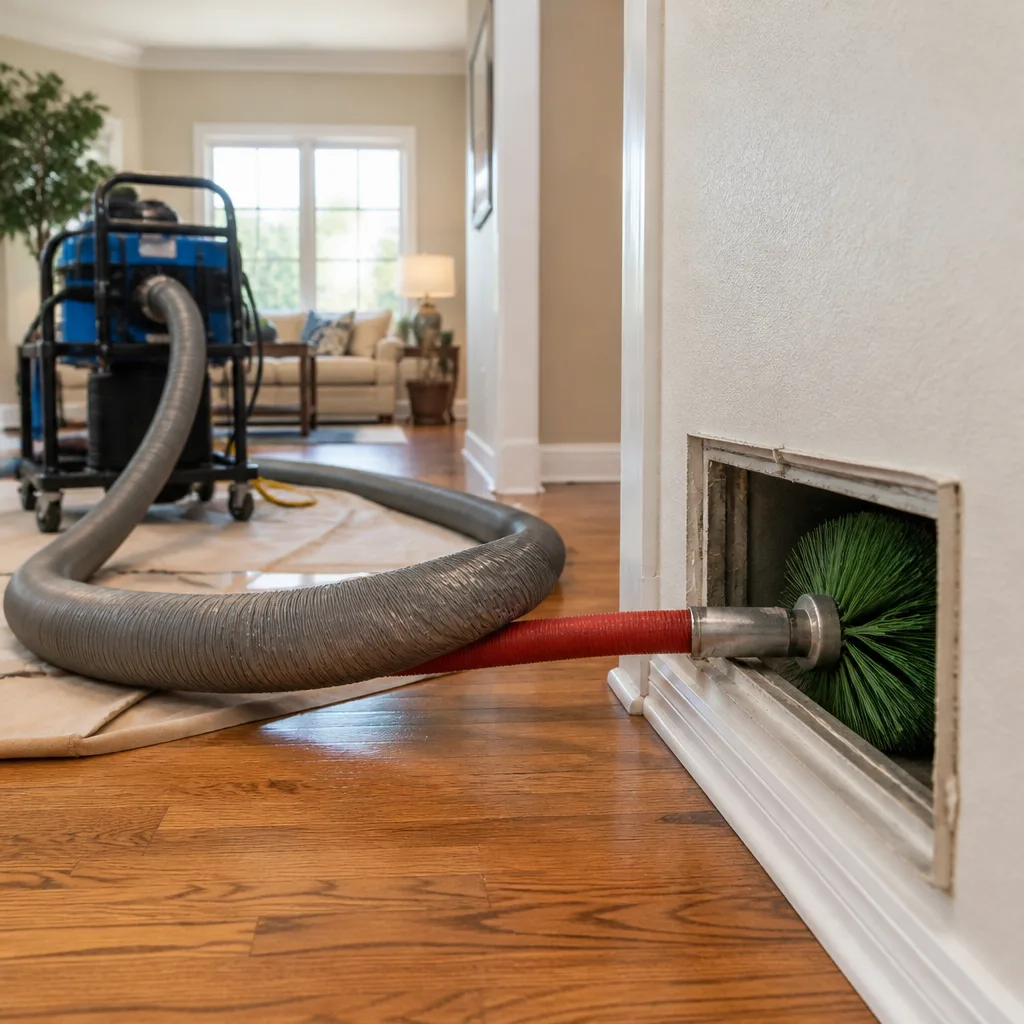 Whole-home duct cleaning
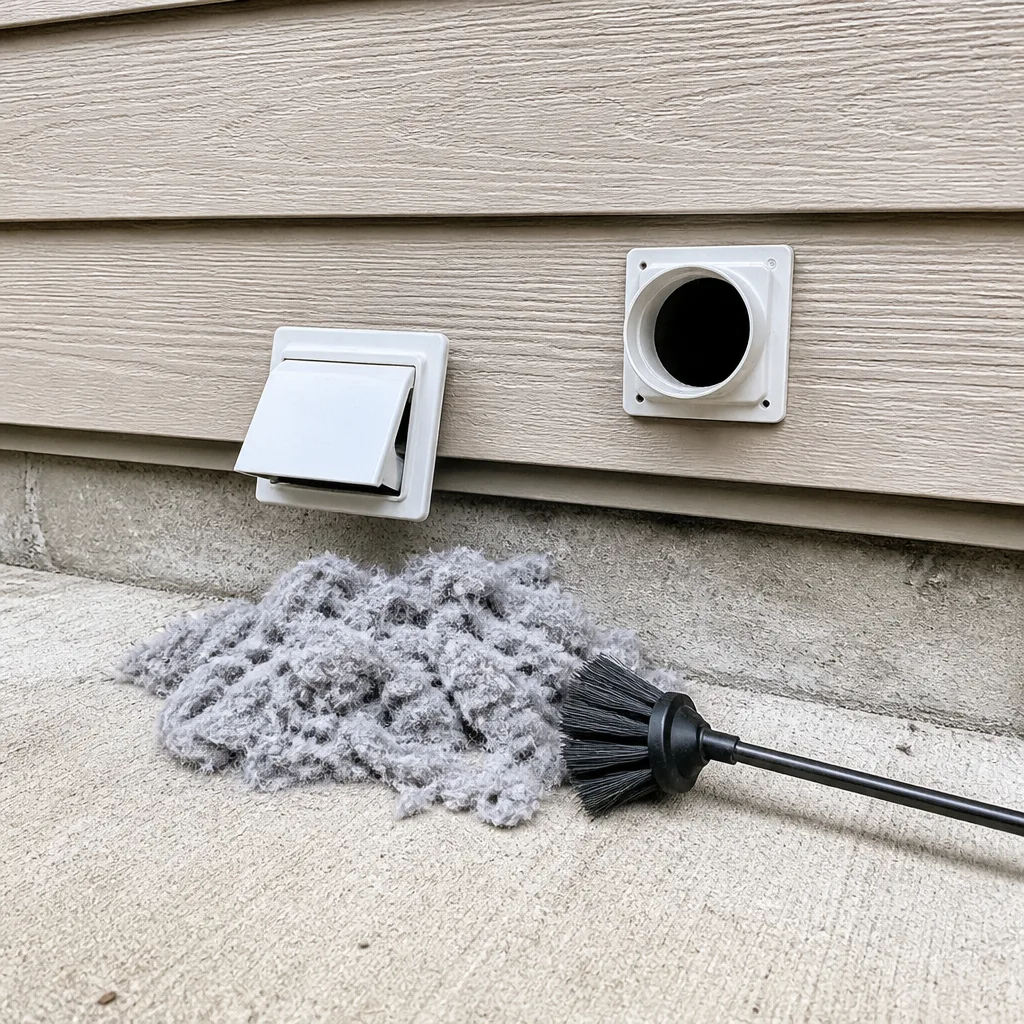 Dryer vent cleaning
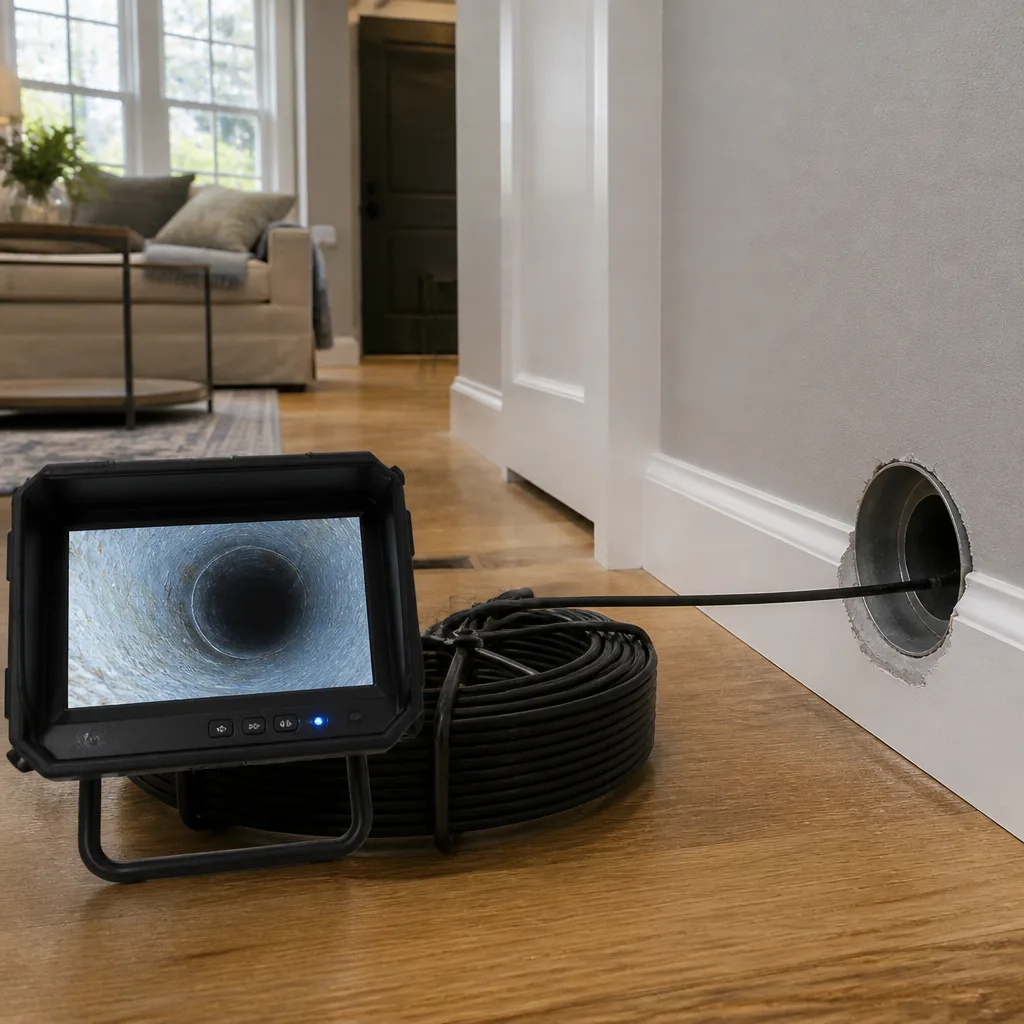 Camera inspection
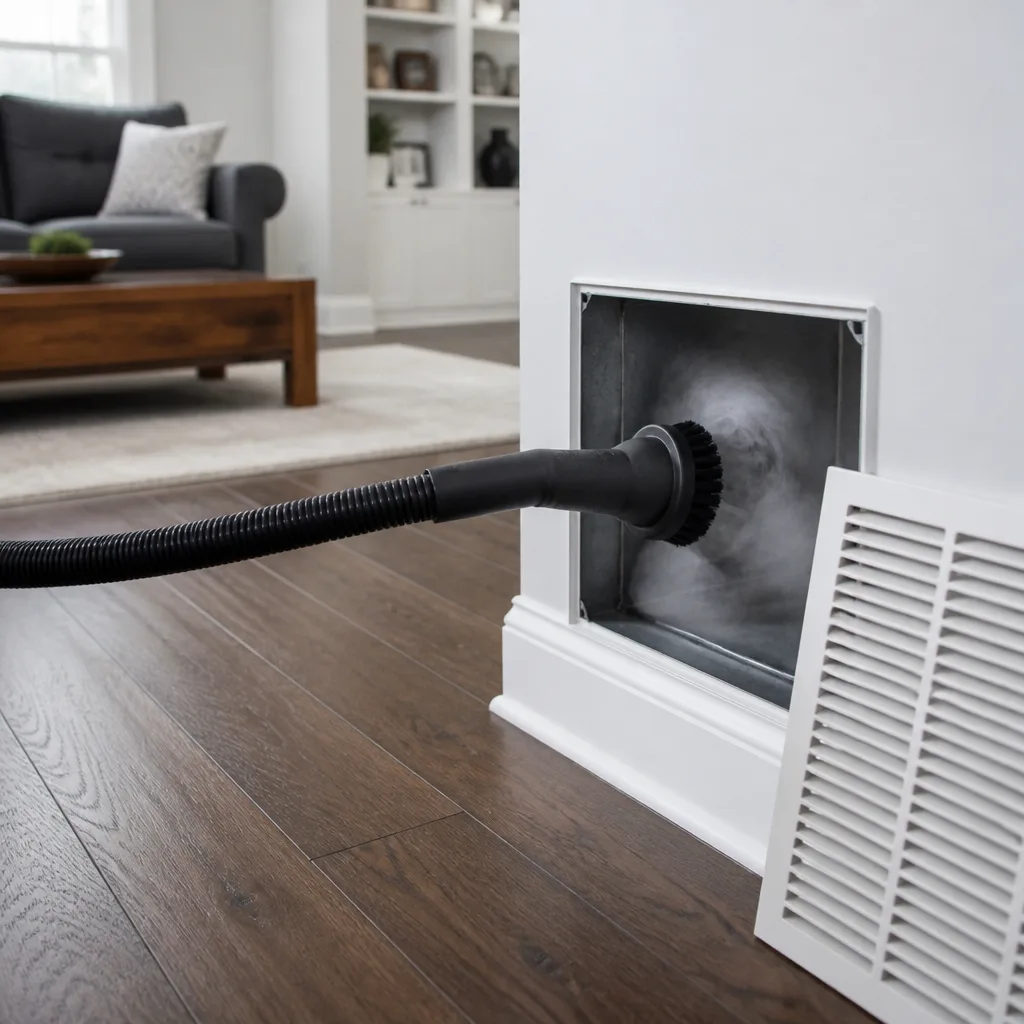 Sanitizing & deodorizing
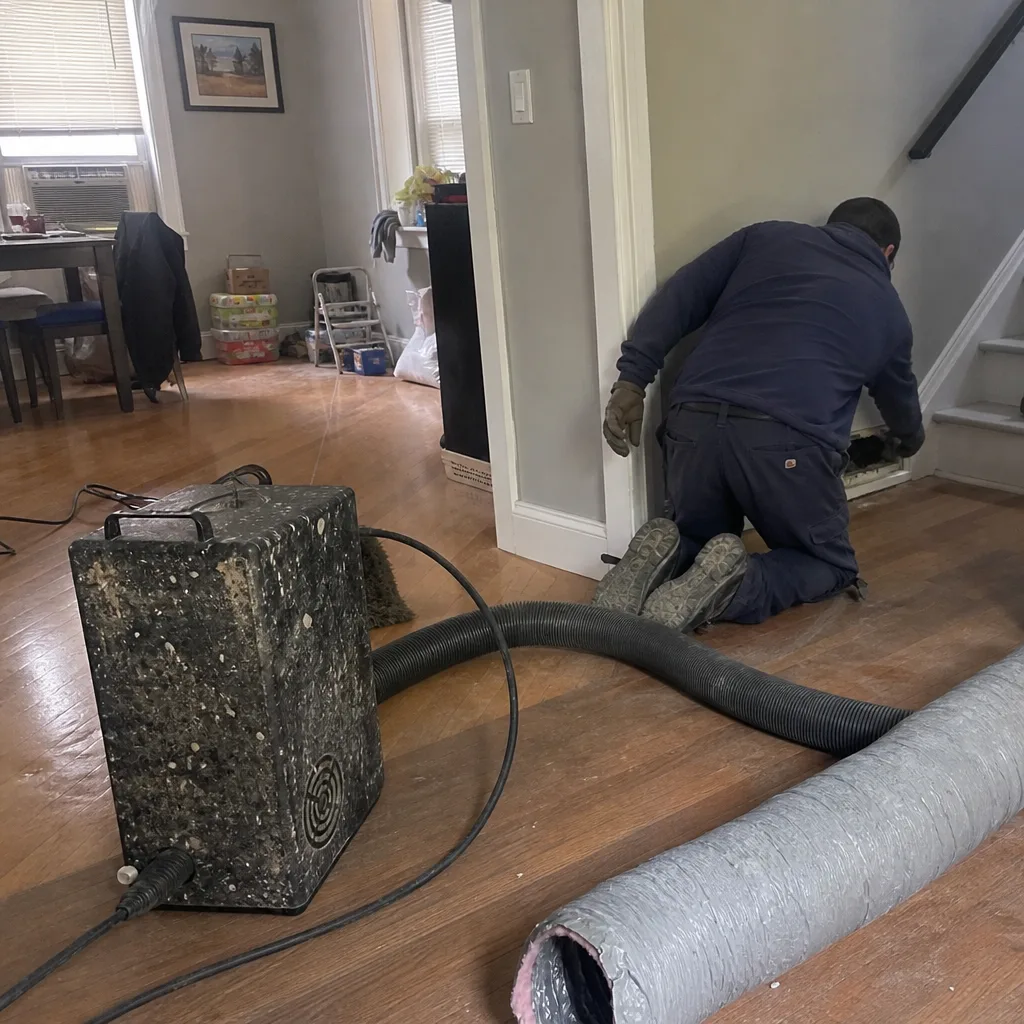
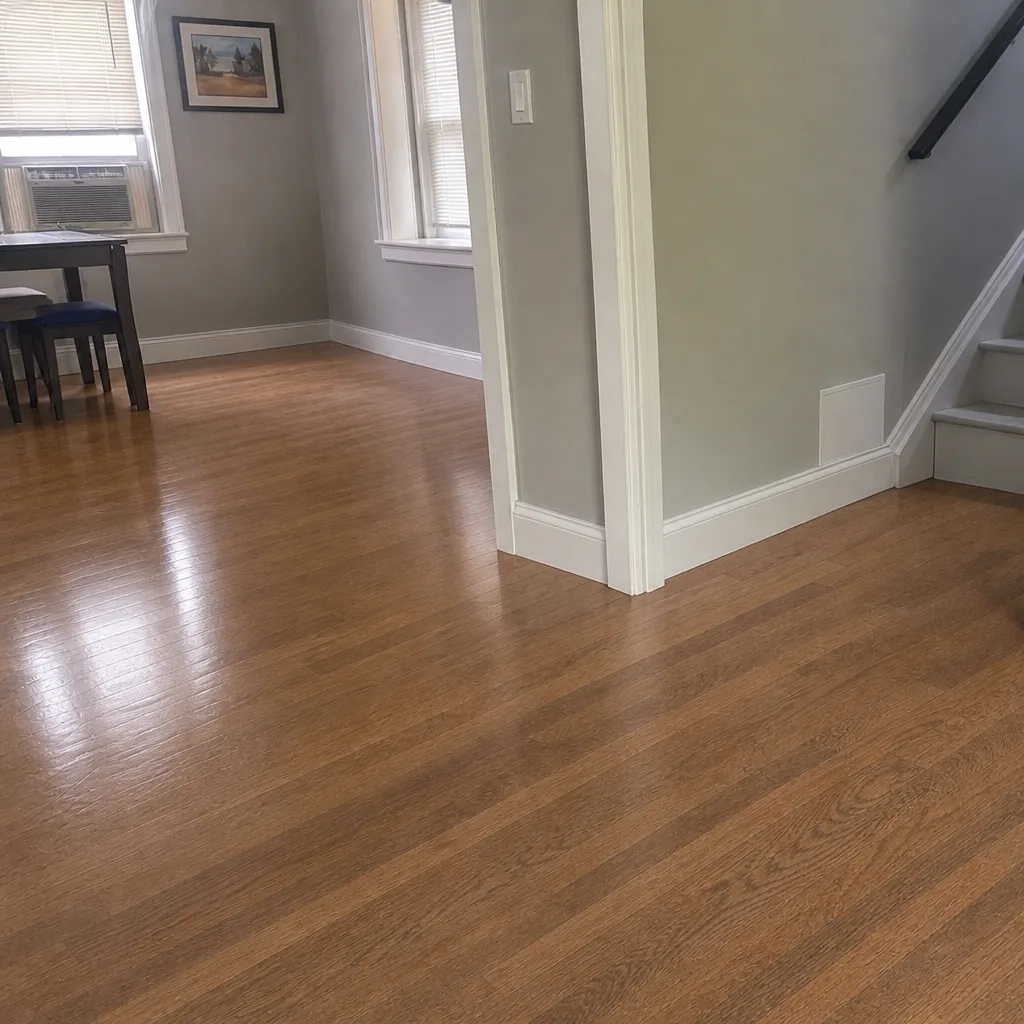
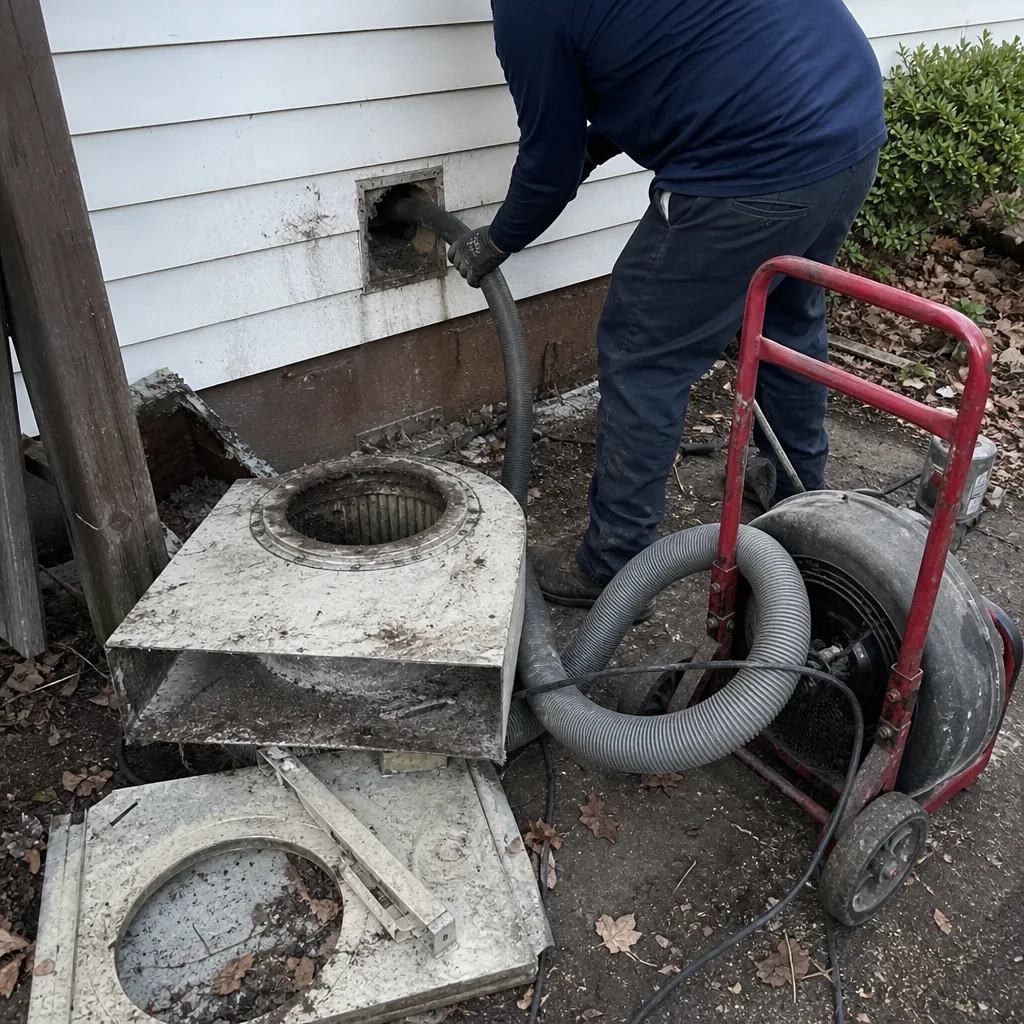
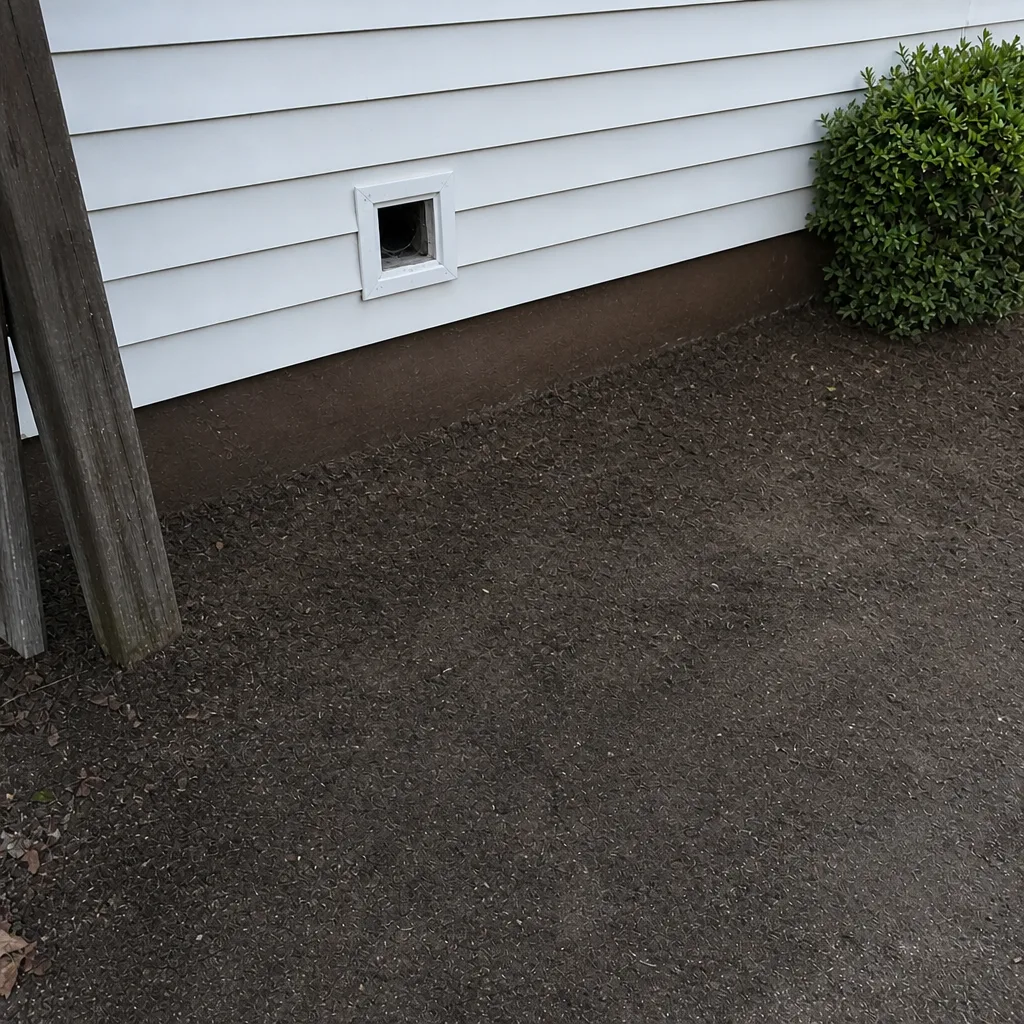
Whole-system duct and dryer vent check with before-and-after photos - you see exactly what came out of your vents
That "$99 whole-house special" is a bait ad - the real number appears once they are in your hallway, or the "clean" is a shop-vac at the register. We photograph the inside of your ducts before and after instead.
Air Duct Cleaning Maintenance Schedule: What to Do and When
The EPA does not recommend cleaning ducts on a fixed annual schedule, yet most of the reminder cards and email nudges homeowners receive are built on exactly that logic, no matter what’s actually happening inside the system. A calendar date tells you nothing about filter loading, coil condition, or how much debris has settled in the trunk line. Real duct maintenance is a tiered protocol tied to occupancy, filtration grade, and equipment inspection intervals. This guide lays out that framework for Corona, NY housing stock, from monthly filter checks to camera inspections of the duct interior every few years.
Quick Answer
There is no single correct interval for air duct cleaning. In most Corona homes, a professional cleaning every 3 to 5 years is reasonable, but the real triggers are conditions: a renovation, a new pet, an allergy diagnosis, visible mold, or a system that hasn’t been inspected since it was installed. Between cleanings, the highest-leverage habit is checking and replacing filters on a schedule matched to your MERV rating and your home’s dust load.
Styles & brands we work with
- Whole-home duct cleaning
- Dryer vent cleaning
- Camera inspection
- Sanitizing & deodorizing
Table of Contents
- Condition-Based Triggers vs. Calendar-Based Triggers
- The Tiered Inspection Schedule: Monthly, Annually, Every 3-5 Years
- How Corona’s Older Housing Stock Changes Contamination Rates
- Filter MERV Rating and Replacement Frequency
- Logging System Data to Build Your Own Cleaning Interval
- What to Do After a Renovation or HVAC Replacement
- Dryer Vent Cleaning: A Separate, Safety-Driven Schedule
- Common Mistakes to Avoid
Condition-Based Triggers vs. Calendar-Based Triggers
Most homeowners think in calendar terms: a cleaning every spring, a filter change every three months. That approach ignores the variables that actually drive contamination in a duct system. Airflow, occupant behavior, filtration grade, and the building envelope all change the rate at which debris accumulates. Two houses on the same block can be five years apart in duct condition.
Condition-based triggers are the events and symptoms that argue for a cleaning regardless of the date on your last invoice:
- Post-renovation. Drywall dust, sawdust, and insulation fibers get pulled into the return side within days. A cleaning after major work is almost always warranted.
- Pet density. One shedding dog produces a different load than three cats. Dander and hair coat the return plenum and the blower wheel faster than most people expect.
- Allergy or asthma diagnosis. A new diagnosis in the household is a legitimate reason to inspect and, if needed, clean and sanitize.
- HVAC replacement. A new air handler or furnace is the right moment to clean the ducts it’s attached to, so the new equipment isn’t breathing years of accumulated debris.
- Visible mold, rodent activity, or a persistent musty odor at supply registers.
- A move-in. You don’t know how the previous occupants kept filters or whether the ducts were ever touched.
Calendar-based intervals still have a role, but as a backstop, not a rule. A reasonable default for a well-maintained home with mid-grade filtration and no pets is an inspection every 3 to 5 years. If any of the triggers above fires, move the interval up. If you’re in Corona and would rather have the system assessed once than guess, professional air duct cleaning starts with an inspection, and the technician tells you what the ducts actually show.
Why the fixed-annual model persists
Annual reminders are cheap to send and easy to sell. They also treat every home as identical. A 900-square-foot apartment with one occupant and a MERV 8 filter is not on the same schedule as a 2,000-square-foot house with two dogs, a woodshop, and a MERV 13 setup. The framework below replaces the annual reminder with intervals that reflect what’s happening in your system.
The Tiered Inspection Schedule: Monthly, Annually, Every 3-5 Years
Think of duct system maintenance in three tiers. The short tier is what you do yourself. The middle tier is what a technician checks once a year. The long tier is the deep inspection that only happens every few years or when a condition trigger fires.
Monthly: Filters
The filter is the cheapest, highest-frequency checkpoint in the whole system. Pull it, hold it up to a light, and look at the loading across the pleats. A filter that’s evenly grey and starting to restrict airflow needs replacing. A filter that’s clogged on one side only can indicate a return-side leak or a poorly sealed filter slot. Write the date on the new filter’s edge with a marker so the next check isn’t guesswork.
Annually: Coil, drain pan, and blower
Once a year, a technician should inspect the evaporator coil for dust matting, clear the condensate drain pan and line, and look at the blower wheel for unbalanced build-up. In a Corona home running the system through humid summers, a partially clogged drain line is a common and preventable cause of water damage. This is also the moment to check that all accessible duct connections are sealed and that the return plenum isn’t pulling air from an unconditioned attic or crawlspace.
Every 3-5 years: Duct interior via camera
The duct interior is invisible, which is why it’s ignored. A small camera sent through the supply and return runs shows what’s actually on the sheet metal or flex: the depth of the dust layer, any moisture staining, rodent evidence, or disconnected joints. If the camera shows a light, even film with no moisture, you have data. If it shows thick build-up or contamination near the air handler, you have a reason to schedule a cleaning. Re-check the interval based on what the camera found.
How Corona’s Older Housing Stock Changes Contamination Rates
Corona is not a subdivision of identical new builds. The housing mix in neighborhoods like Corona Heights, North Corona, and the areas around Roosevelt Avenue runs heavily toward early- to mid-20th-century construction: detached houses, semi-attached two-families, and multi-unit buildings that have been through multiple renovations. That mix changes the maintenance math in four specific ways.
- Renovation cycles. Multi-family units turn over often, and turnover means renovation. Each round of drywall work pushes dust into the return side. A building that’s been re-worked several times carries a heavier duct load than a house that hasn’t changed since it was built.
- Shared and connected ductwork. In attached and semi-attached buildings, duct runs are shorter and more tightly packed, and return paths sometimes cross between units or pull from shared spaces. Contamination from one unit can migrate. Sealing matters more here than in a sprawling detached house.
- Original and retrofitted duct materials. Older homes often have a mix of original sheet metal, later flex runs, and transitions that were never properly sealed. Unsealed joints pull in dust, attic air, or basement air, which the EPA estimates can account for 20 to 30% of energy loss in a typical home HVAC system.
- Humidity and basement/crawlspace air. Corona’s summers push humidity into basements and crawlspaces. A return side that leaks into a damp space pulls moisture-laden air into the ducts, and moisture is what turns ordinary dust into a mold problem.
Practically, this means Corona homes should default to the shorter end of the 3-to-5-year inspection window, and attached or multi-family properties should treat sealing as a first-line step rather than an afterthought. A technician with up to 15 years of experience can tell within a few minutes whether your runs are sealed or pulling from the wrong space. For proper HVAC cleaning, the assessment has to include the air handler, the coil, and the plenum, not just the visible registers.
What “attached” means for your inspection interval
If your building shares a wall, a basement, or a mechanical space with a neighbor, contamination doesn’t stay neatly on one side. A cleaning on one unit without sealing the shared transitions is a partial job. Ask specifically whether the returns and transitions are sealed, and whether the technician will check the shared space before and after cleaning.
Filter MERV Rating and Replacement Frequency
MERV rating is the single highest-leverage maintenance variable between professional cleanings. The filter decides how much particulate ever reaches the coil and the duct walls. Get this right and the ducts stay cleaner longer; get it wrong and the whole system works against you.
MERV is a rating scale for filter efficiency. Higher MERV captures more particles but also creates more airflow resistance. On a residential system, a filter that’s too restrictive for the blower can cut airflow enough to strain the equipment. The relationship between MERV and replacement frequency is not intuitive:
- MERV 8 or lower. Lower resistance, but it captures less. Expect faster loading on the coil if you stretch the interval, and replace based on visual loading, not a fixed calendar.
- MERV 11 to 13. A good residential middle ground for allergy-sensitive households. These load faster because they capture more, so check them more often than a low-MERV filter, not less.
- MERV 16 and HEPA-grade media. Generally a professional or specialty setup, and the loading rate is fast. These need frequent checks and a system that was designed for the pressure drop.
The practical rule: check monthly and replace on measured loading. A MERV 13 filter in a pet household may load in weeks; a MERV 8 in a single-occupant apartment may last considerably longer. Don’t follow the “every three months” label as if it were a law. It’s a default, not a schedule.
If you want filtration plus active air quality control, this is where brand-matched equipment matters. We work with Honeywell and Aprilaire air quality products, and installing the filter housing and media together with the right blower setup keeps the restriction where the system can handle it. Getting a filter housing right is a bigger factor in long-term duct cleanliness than any single cleaning visit.
Logging System Data to Build Your Own Cleaning Interval
The only way to stop guessing is to keep records. A small log of system data turns “we clean every three years” into an evidence-based interval you can actually defend. The two most useful measurements are static pressure and filter loading rate.
Static pressure is the resistance the blower has to push against. A technician measures it across the system, and a reading that climbs over time tells you something is loading up: filters, coil, or duct interior. Filter loading rate is the time it takes a filter to go from clean to restricted. Both numbers tell you how fast your system is accumulating debris.
What to log, step by step
- Record the install date and filter spec of every filter you put in, including MERV rating and size.
- Note the date you replace it and the loading pattern (even grey, one-sided, thick in the center).
- Have a technician measure static pressure at the air handler before cleaning and after.
- Note the coil condition and drain pan condition at the annual inspection.
- Log any renovation, pet addition, or HVAC change with a date, and bump the next inspection forward.
- Record the camera inspection findings every 3 to 5 years, with photos if the technician provides them.
After two or three years of logs, you’ll see a pattern. If your filter loading accelerates and static pressure creeps up between cleanings, your real interval is shorter than the default. If both stay flat, you can safely extend. This is the difference between a schedule and a calendar reminder. For a complete picture, professional equipment matters: we use Rotobrush contact-vacuum systems and Nikro negative-air machines that agitate and extract debris rather than relying on airflow alone, and a camera inspection with that setup gives you data you can compare year over year.
What to Do After a Renovation or HVAC Replacement
Renovation and equipment replacement are the two events that most reliably push a duct system past its cleaning threshold. Drywall dust is fine, abrasive, and gets pulled into the return side almost immediately. Insulation fibers and sawdust follow. A cleaning after major work is standard practice, and if the work is still in progress, seal the return registers with plastic before demo starts.
When the air handler, furnace, or AC is replaced, the new equipment is the reason to clean. A brand-new blower pushing air through a duct full of years-old debris will load its coil early and lose efficiency. The right order is: clean and inspect the ducts, seal the accessible joints, then commission the new equipment. We install and service air quality equipment from Honeywell and Aprilaire, and pairing that with a duct clean-and-seal at the same time saves doing the work twice.
If the renovation is ongoing
Don’t wait for the drywall dust to settle before pulling a filter. Change it mid-project and again at the end. Keep the system off during the dustiest phases if you can, and check the return plenum for visible build-up before you turn it back on.
Dryer Vent Cleaning: A Separate, Safety-Driven Schedule
Dryer vents are a duct system too, and they have their own schedule because the risk is different. Lint is highly combustible, and a clogged dryer vent is a documented leading cause of residential fires. The maintenance interval here is driven by safety, not by air quality.
- Inspect and clean the dryer vent at least once a year for a typical household.
- Shorten the interval if you run multiple loads a day, have a long or heavily elbowed vent run, or notice that clothes take longer to dry.
- Know the warning signs: clothes hot to the touch after a cycle, a burning smell, lint visible around the outside vent hood, or the dryer shutting off mid-cycle.
- Check the outside vent hood and the transition duct between the dryer and the wall regularly.
Older Corona buildings sometimes have long or convoluted vent runs, which is exactly the condition that accelerates lint accumulation. For a proper service, dryer vent cleaning should include the full run from the dryer out to the exterior, not just the transition behind the machine. If the vent run goes through a wall cavity or has multiple elbows, ask the technician to confirm it’s clear end to end.
Common Mistakes to Avoid
- Treating cleaning as an annual subscription. A fixed yearly cleaning ignores the actual conditions in your ducts. Two cleanings can be unnecessary; none over five years with a heavy pet load can be too few.
- Buying the highest MERV filter the store sells. A restrictive filter on a system that wasn’t designed for it cuts airflow and strains the blower. Match the MERV to the system, not to the marketing.
- Replacing filters on a fixed label rather than measured loading. The “every three months” default doesn’t account for pets, renovation dust, or a higher-MERV filter. Check monthly and replace by condition.
- Skipping the sealing step. Cleaning without addressing unsealed joints means the ducts re-contaminate faster. Duct leakage is where that EPA-cited 20 to 30% energy loss comes from.
- Ignoring the dryer vent because the dryer still dries. The dryer can work fine right up until the vent is restricted enough to matter. Lint build-up is a fire risk regardless of whether clothes come out dry.
- Cleaning one unit of a shared building. In attached and semi-attached Corona housing, shared transitions and returns need attention too, or contamination migrates back.
- Not keeping records. Without a log of filter dates, static pressure, and camera findings, you have no basis for deciding your real interval.
See the difference
 Before
 After
 Before
 After
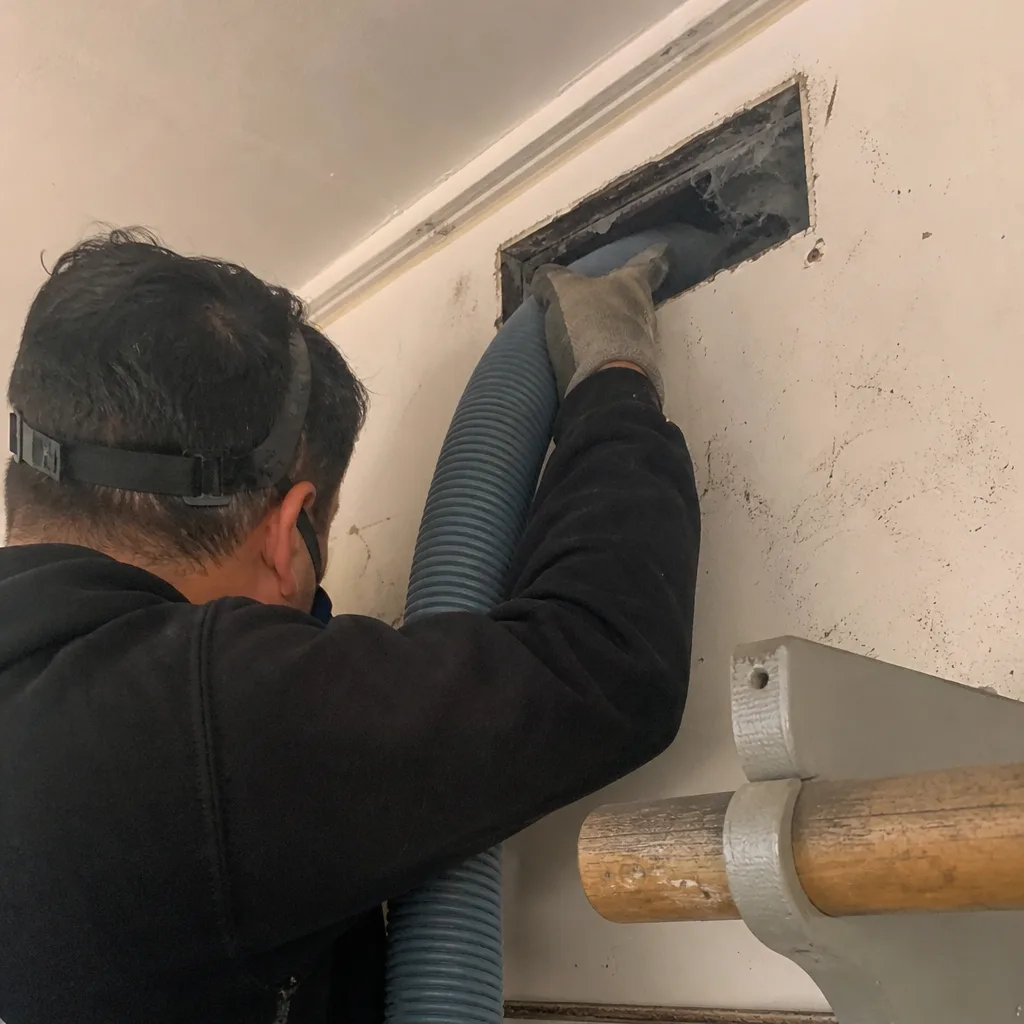 Before
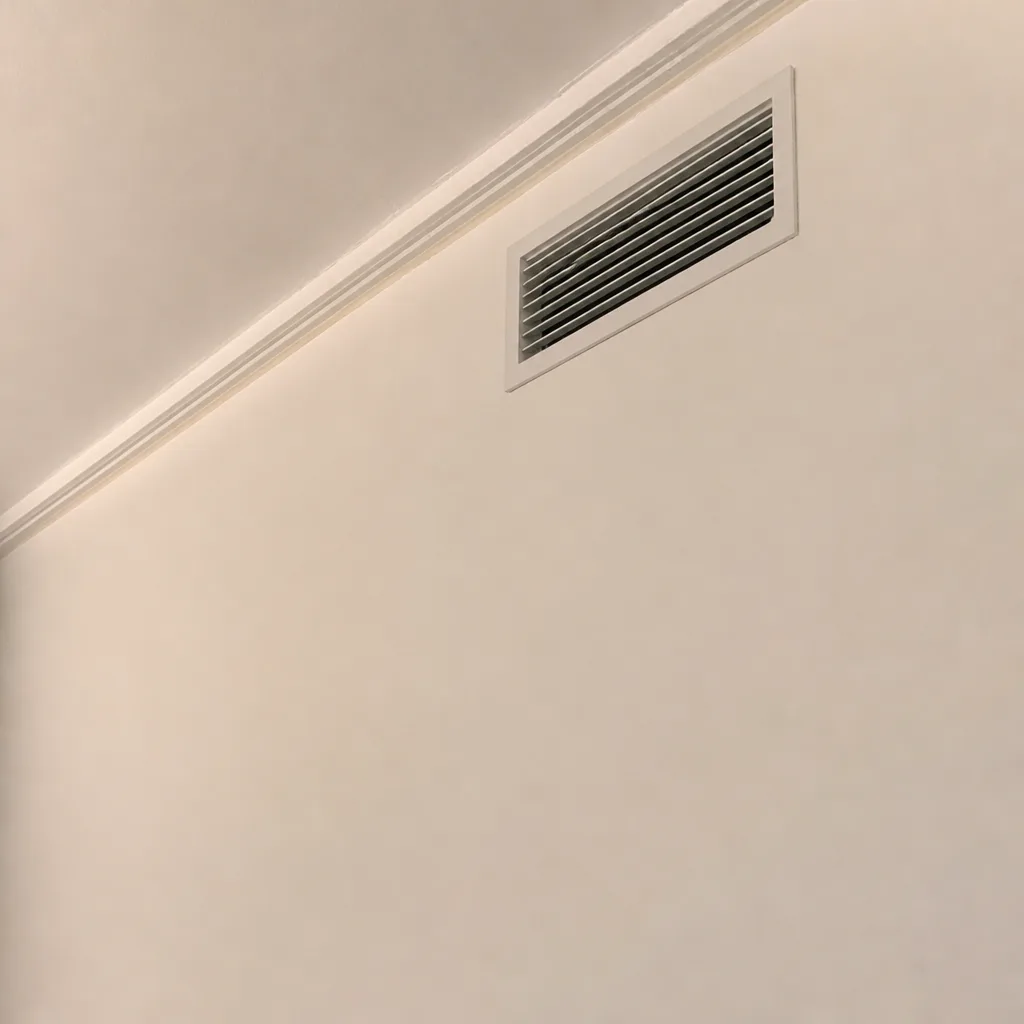 After
When to Call a Professional
A professional is the right call when you can’t see the problem from the register. That means visible mold inside the duct or on the coil, a persistent musty odor, rodent or insect evidence, a recent renovation, a new HVAC system, or a household member with a new allergy diagnosis. It also means any time you’ve gone longer than the 3-to-5-year inspection window without a camera check, or when your filter loading rate and static pressure are climbing on their own log.
Self-inspection has limits: you can pull a filter and look at the coil, but you can’t safely open a sealed duct or evaluate a return plenum without proper equipment. The dangerous surfaces here are the electrical connections at the air handler and any gas-fired furnace components, so leave those to a trained technician. Corona Air Duct Cleaning offers free estimates in Corona, and we work with the equipment brands that let us diagnose and solve the whole problem. Call (866) 937-7810 to schedule. We answer 24/7. Fast dispatch from 7am to 7pm, Sunday through Friday.
Frequently Asked Questions
Most homes don’t need a fixed annual cleaning. A 3-to-5-year inspection interval is a reasonable default, and a cleaning is warranted when a condition trigger fires: renovation, pets, allergy diagnosis, visible mold, rodent evidence, or a new HVAC system. After a camera inspection, the technician can give you a real interval based on what’s in the ducts. Call (866) 937-7810 for an exact quote. Estimates are free.
Not automatically. Corona’s older housing stock, with frequent renovations and many attached and semi-attached buildings, does push many homes to the shorter end of the inspection window, but that’s a reason to inspect more often, not to clean every year. A yearly filter-and-coil check is the better habit. Call (866) 937-7810 to schedule an inspection.
A MERV 11 to 13 filter is a common residential middle ground for allergy-sensitive households, but the right rating depends on what your blower can handle without excess airflow restriction. Too high a MERV on a system that wasn’t designed for it can strain the equipment. Have the static pressure measured before committing to a filter upgrade. Call (866) 937-7810 for an assessment.
Only if the leaks are sealed. Cleaning without duct repair and sealing means the same unsealed joints pull the same dust back in, which is why we offer sealing as part of the service. The EPA estimates that duct leakage accounts for 20 to 30% of energy loss in a typical home system, so sealing is both an air quality step and an efficiency one. Call (866) 937-7810 for a sealing assessment.
At least once a year for a typical household, and sooner if the dryer runs heavily or the vent run is long and elbowed. Older Corona buildings often have exactly those conditions. A dryer that still dries isn’t proof the vent is clear; check for a hot drum, a burning smell, or lint around the exterior hood. Call (866) 937-7810 to book a dryer vent inspection.
Record your filter install date, MERV rating, and loading pattern; note any renovation or HVAC change with a date; and keep the technician’s static pressure and camera inspection findings. After two or three years of logs, you’ll see your real cleaning interval rather than guessing. Call (866) 937-7810 and we’ll help you set up the baseline.
The Bottom Line
The EPA doesn’t recommend cleaning ducts on a fixed schedule, and neither should you. Build your interval from three tiers: check filters monthly, inspect the coil and drain annually, and send a camera through the duct interior every 3 to 5 years. In Corona’s older and attached housing, shortening that window and prioritizing sealing pays off. MERV rating and filter loading are your highest-leverage daily habits, and a simple log of filter dates, static pressure, and camera findings turns guesswork into a real schedule. Cleaning, sealing, and sanitizing are one system, and a professional-grade setup makes the difference.
Contact Corona Air Duct Cleaning for a free estimate. Call (866) 937-7810. We answer 24/7. Fast dispatch from 7am to 7pm, Sunday through Friday. From cleaning to sealing to sanitizing, and dryer vents cleaned for safety, we handle the whole system in one place. Visit Corona Air Duct Cleaning to see the full service scope.
Written by the team at Corona Air Duct Cleaning.