
Last updated November 22, 2026
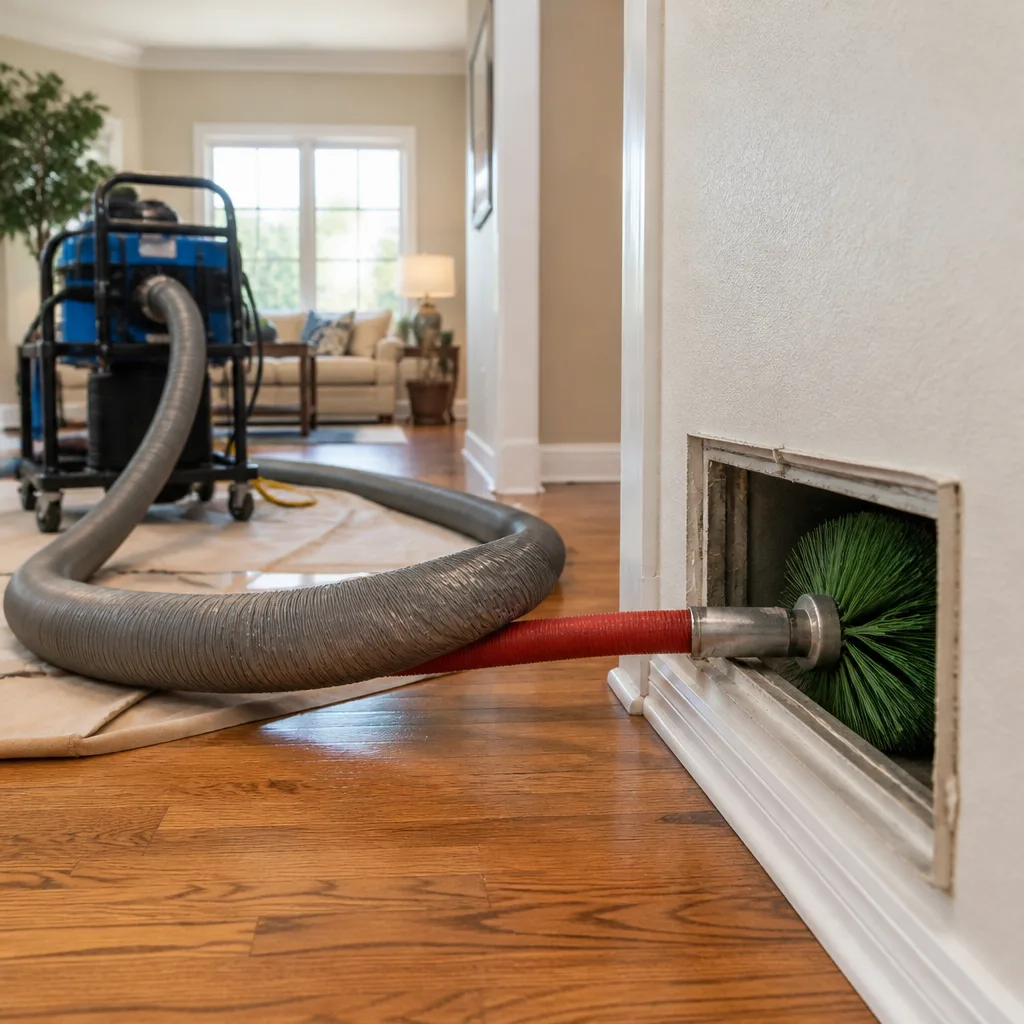 Whole-home duct cleaning
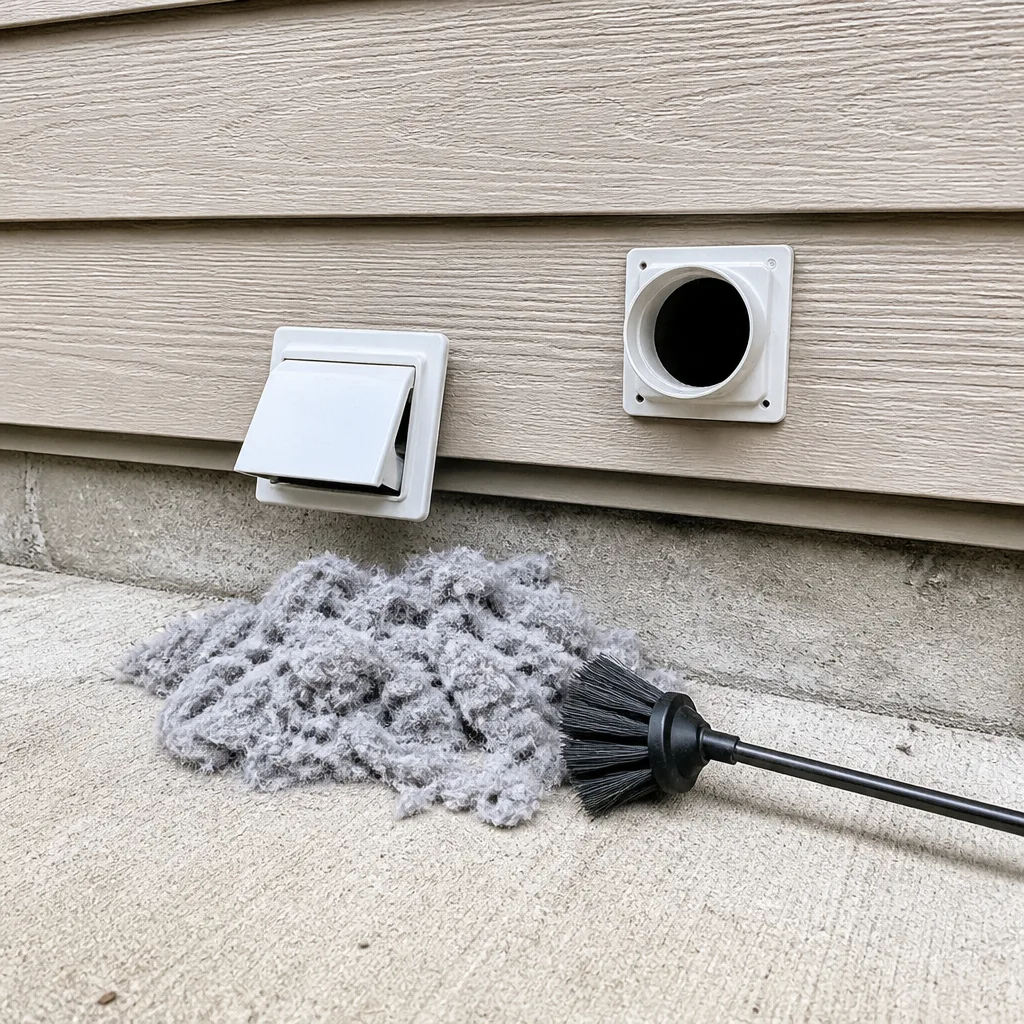 Dryer vent cleaning
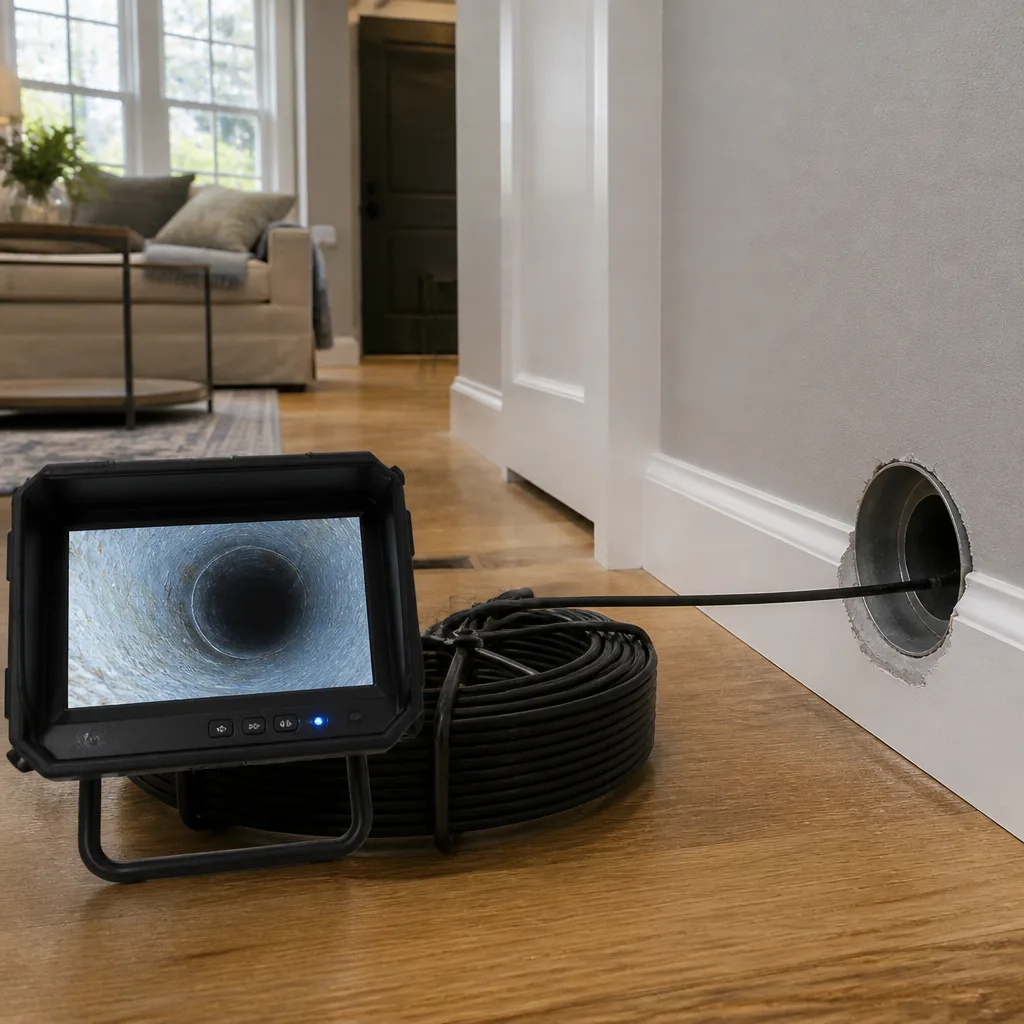 Camera inspection
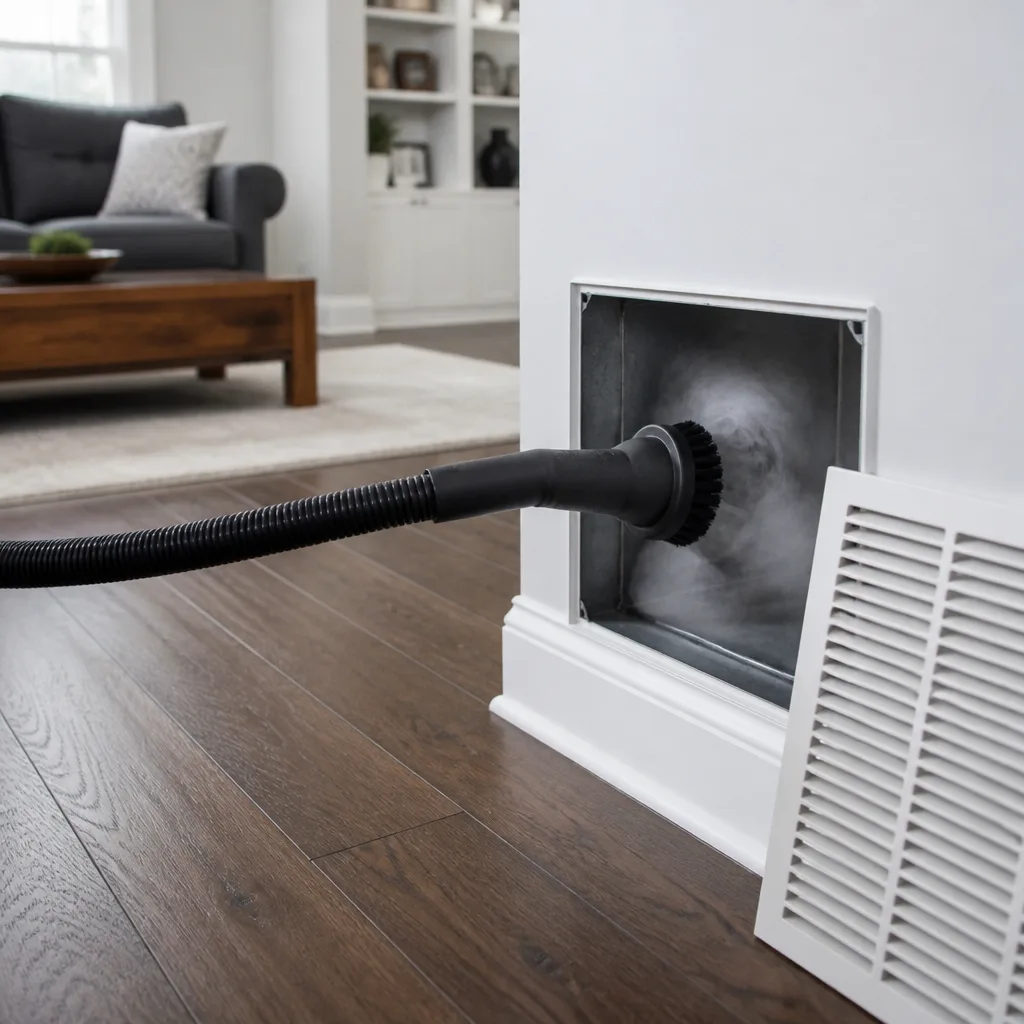 Sanitizing & deodorizing
Whole-system duct and dryer vent check with before-and-after photos - you see exactly what came out of your vents
That "$99 whole-house special" is a bait ad - the real number appears once they are in your hallway, or the "clean" is a shop-vac at the register. We photograph the inside of your ducts before and after instead.
Air Duct Cleaning Permits, Codes & Inspections in Corona, NY: What You Need to Know
Here’s the part most duct cleaning ads skip: in Corona, the ducts in many homes aren’t fully yours to touch. If you live in a co-op or condo, ductwork that crosses unit lines becomes a building code issue and a board-approval issue at the same time, and crews who don’t know the difference can leave a homeowner holding the liability. Cleaning is usually exempt from permits. Modifying a system is not. Knowing which one you’re paying for changes everything. This guide maps the actual regulatory ground in Corona, NY, from NYC Department of Buildings questions to Local Law 55, asbestos surveys on older mechanical systems, and what documentation a post-remediation job requires before anyone turns the air back on.
Quick Answer
Routine air duct cleaning in Corona, NY generally does not require a NYC Department of Buildings permit, because cleaning is maintenance rather than modification. What can trigger requirements is everything around the cleaning: cutting, rerouting or adding duct runs (permit and likely a licensed contractor), disturbing pre-1980 mechanical systems that may contain asbestos (NYC DEP asbestos rules apply), post-remediation work after mold is found (NYC DOH documentation before restart), and any work inside a multi-unit building where board or management approval governs access. When in doubt, ask your building’s management and your city’s building department before work starts.
Styles & brands we work with
- Whole-home duct cleaning
- Dryer vent cleaning
- Camera inspection
- Sanitizing & deodorizing
Table of Contents
- Cleaning vs. Modification: When NYC DOB Gets Involved
- Local Law 55 and Duct Contamination in Corona’s Multi-Family Stock
- Asbestos Surveys Before Any Work Disturbs Pre-1980 Systems
- Post-Remediation Verification: What’s Required Before System Restart
- Who’s Responsible in a Corona Co-op or Rental Building
- What a Proper Inspection Actually Looks Like
- Documentation to Keep After the Job
- Common Mistakes to Avoid
Cleaning vs. Modification: When NYC DOB Gets Involved
The single most useful distinction in this whole guide is the one between maintenance and modification. Cleaning a duct system and changing a duct system are two different categories of work in New York City, and they carry different rules. Cleaning removes accumulated debris from the inside of existing ducts. Modification changes where the ducts go, how much air they carry, or what they connect to. The first is normally a service call. The second is construction.
So what pushes a job from one column to the other? Here’s how we explain it to Corona homeowners:
- Straight cleaning, no cutting: brush and negative-air extraction through existing access points. No permit expected.
- Adding a new register or run: this is new ductwork. It’s a modification, and it usually needs a permit and a licensed contractor.
- Rerouting a duct to fix a bad layout: modification, even though the duct already exists.
- Cutting into a wall or ceiling for access: depends on what’s being cut and why; a qualified contractor can tell you whether it crosses into permitted work.
- Sealing leaks from the outside of the duct: generally maintenance, not modification.
For most Corona apartments and houses, the job stays in the first and last categories. But the moment someone proposes cutting a duct run or adding a vent, you’re in permit territory, and the contractor doing that work needs to be licensed for it. We separate these clearly because air duct cleaning is a cleaning service, not a construction service, and we don’t want a homeowner assuming a cleaning visit covers a system change.
If you’re unsure which category your project falls into, ask the city’s building department directly, in writing if you can. The answer takes a phone call and saves a lot of trouble. And if you’re in a co-op or condo in Corona, add one more step: the building’s alteration rules may apply even where the city’s don’t.
Local Law 55 and Duct Contamination in Corona’s Multi-Family Stock
NYC Local Law 55 is the city’s indoor allergen hazard law, and it puts duties on building owners to keep residential units free of indoor allergen hazards, including mold and pest infestations. For Corona, a neighborhood with a large stock of multi-family residential buildings, that law matters to anyone who owns or manages property. A duct system that’s been pushing contaminated air through multiple units becomes an indoor air quality question, and sometimes a compliance question, not just a comfort question.
What does that mean in practice for a building owner? Several things worth knowing:
- Mold growth inside ductwork or on plenum surfaces can be an allergen hazard, and the responsibility for addressing it typically sits with the party who controls the building.
- Separate units can share duct runs or share a return path, so contamination in one area may affect indoor air in another.
- Pest activity near duct openings or in mechanical spaces is part of the same compliance picture.
- Documentation of what was found, what was cleaned, and how it was verified matters, because a paper trail is what shows the work was done.
We approach affected Corona buildings with professional-grade equipment for exactly this reason. A Rotobrush contact-vacuum system physically agitates and extracts debris from the duct interior, and a Nikro negative-air machine keeps that debris contained rather than letting it drift into the units. Air you can measure, not just feel, is the standard worth holding to here. If you manage a multi-family building in Corona and you’re working through a Local Law 55 question, getting a documented cleaning and an inspection of the shared duct paths is a sensible first move, before remediation decisions get made.
Asbestos Surveys Before Any Work Disturbs Pre-1980 Systems
If your building’s mechanical system predates 1980, treat this section as the one that matters most. Older duct systems and the materials around them, including duct wrap, mastic and insulation, may contain asbestos. New York City has asbestos regulations under the Department of Environmental Protection, and those regulations generally require an asbestos survey by a qualified professional before work disturbs suspect materials. This is not optional advice. It’s the kind of requirement that can turn a routine cleaning visit into a stop-work situation if someone skips it.
The practical sequence looks like this:
- Establish the age of the system. If the building or the duct system predates 1980, assume suspect materials may be present until a survey says otherwise.
- Get an asbestos survey from a qualified professional before any work that would disturb duct wrap, mastic, insulation or adjacent surfaces.
- Review the survey findings and determine what can be cleaned, what must be left undisturbed, and what requires licensed abatement.
- Bring in the cleaning contractor only after the survey is resolved. Cleaning that agitates suspect materials without a survey is the exact mistake to avoid.
In our experience, this is where a lot of Corona duct jobs stall, and for good reason. The material has to be identified before it’s disturbed. We flag this before we start work on any older system, because a survey is a small cost next to the alternative. It’s also worth telling your building management early if your system is old, since the building may already have a survey on file you can use.
Post-Remediation Verification: What’s Required Before System Restart
If mold turns up in a duct system, cleaning becomes remediation, and remediation has a defined endpoint. That endpoint is verification. Before the HVAC system is restarted, you want documentation showing the work was done to a standard and that the problem is resolved, not just wiped from view. NYC Department of Health guidelines on mold remediation set the general expectation: containment during the work, HEPA-grade filtration, and verification before occupancy and system restart.
What that verification typically involves:
- Containment records. Evidence that the work area was sealed off and negative pressure maintained during remediation.
- Filtration documentation. HEPA-grade filtration is the standard, and Abatement Technologies equipment is built for this class of work at a remediation level rather than a light cleaning level.
- Visual inspection of the duct interior after cleaning, ideally with before-and-after photographic documentation you can keep.
- Clearance confirmation before the system goes back into service and the space is re-occupied.
This is the point where cheap jobs fall apart. A crew that vacuums and leaves, without documentation and without a verification step, has given you a clean-looking duct and no proof the problem is resolved. The restart question is the one to ask. Who signed off, and on what basis? If you’re in Corona and your building has had a mold finding in the ductwork, ask for that documentation before anyone flips the air handler back on.
Who’s Responsible in a Corona Co-op or Rental Building
In a Corona co-op or rental, the answer to “whose job is the ductwork?” depends entirely on what the building’s management agreement and proprietary lease say. Some buildings treat anything inside the unit as the shareholder’s responsibility. Others retain control of the mechanical system, including the duct paths, because those paths serve more than one unit. Before you hire anyone, find out which one you’re living under. Getting it wrong can mean paying for work the building was supposed to authorize, or worse, having work done without proper approval that creates liability for you.
Here’s the checklist we suggest for Corona co-op and condo owners:
- Read the alteration agreement or house rules for anything about vents, ducts or mechanical systems.
- Ask management in writing whether your ductwork is your responsibility or the building’s.
- Confirm access rights. Duct cleaning may need access to mechanical spaces, roof-level equipment or adjacent areas that aren’t inside your unit.
- Check whether board approval is required before work begins. Many buildings require it even for minor work.
- Get the approval in writing and keep a copy with your records.
Access is the big one. A cleaning crew may need to reach a mechanical room, a common hallway, or a shared plenum, and the building has to grant that access. If the mechanical room is in a pre-1980 building, the asbestos survey question we covered above runs through the building, not just your unit. High-tension equipment and mechanical rooms deserve respect, and anyone working in one should be authorized by the building to be there. If the approval process sounds slow, it’s much slower after unapproved work.
What a Proper Inspection Actually Looks Like
If you’ve had a “free duct inspection” that consisted of a flashlight held near a register, you haven’t had an inspection. A real inspection looks at the whole system: the supply runs, the returns, the plenum, the air handler and the areas around the coil. It uses a camera to look inside the ducts, and it documents what it finds before recommending anything. That documentation is the difference between a diagnosis and a sales pitch.
What a proper inspection covers:
- Supply and return duct interiors, inspected with a camera where access allows.
- The air handler and plenum, including the coil area, where the worst buildup often collects.
- Leak and seal assessment, because leakage re-introduces contamination and wastes energy. The EPA estimates duct leakage causes 20 – 30% energy loss in a typical home HVAC system.
- Dryer vent condition, separately, since lint buildup in a dryer vent is a documented leading cause of residential fires.
- Photographic documentation, before and after, so you can see what changed.
In Corona, this full-system view matters because our building stock is mixed and old. A single-family house on one block and a multi-unit building on the next can have completely different systems, and a one-size-fits-all inspection misses both. We use professional-grade equipment from Rotobrush and Nikro because the inspection and the cleaning use the same tools, and the results should be visible and verifiable. If your inspection report doesn’t include photos of your own ducts, ask why.
Documentation to Keep After the Job
A duct cleaning job is only as good as the paper trail behind it, especially when there’s a co-op board, a landlord, a compliance question or a future sale involved. Keep a file. It takes five minutes and it answers a lot of questions later.
The file should include:
- The written estimate that set the price before work started, with the scope of work spelled out.
- Before-and-after photographs of your own duct system.
- Any inspection report or findings, including any mold or asbestos survey that came out of the process.
- Verification or clearance documentation, if the job involved remediation.
- Board or management approval records, if the building required them.
- The invoice, showing the price matched the estimate.
Keep these with your building records. If you’ve had dryer vent cleaning done at the same time, tuck that record in the same file, since a future insurance or safety question may ask about it. If a contractor can’t provide documentation, that’s information too. It tells you what kind of shop you’re dealing with.
Common Mistakes to Avoid
- Assuming cleaning requires a permit, or that modification doesn’t. Cleaning is normally exempt and modification normally isn’t, but neither is a safe assumption to make without asking, especially in a co-op.
- Skipping the asbestos survey on a pre-1980 system. Disturbing suspect materials without a survey is the single fastest way to turn a routine job into a serious problem.
- Hiring a crew that can’t document its work. If there are no before-and-after photos and no written findings, you have no way to know what was actually done inside the ducts.
- Restarting a system after a mold finding without verification. NYC DOH guidance points toward containment and filtration followed by clearance, and restarting early skips the part that matters.
- Doing work in a Corona co-op without board approval. Even a small job can require it, and unapproved work creates liability for the homeowner.
- Confusing a cheap per-vent quote with a whole-system job. A low headline price that grows on site tells you the original scope was never the real scope.
- Treating duct cleaning and duct sealing as the same thing. Cleaning removes debris, sealing fixes leakage, and a job that only does one may not solve the contamination problem.
See the difference
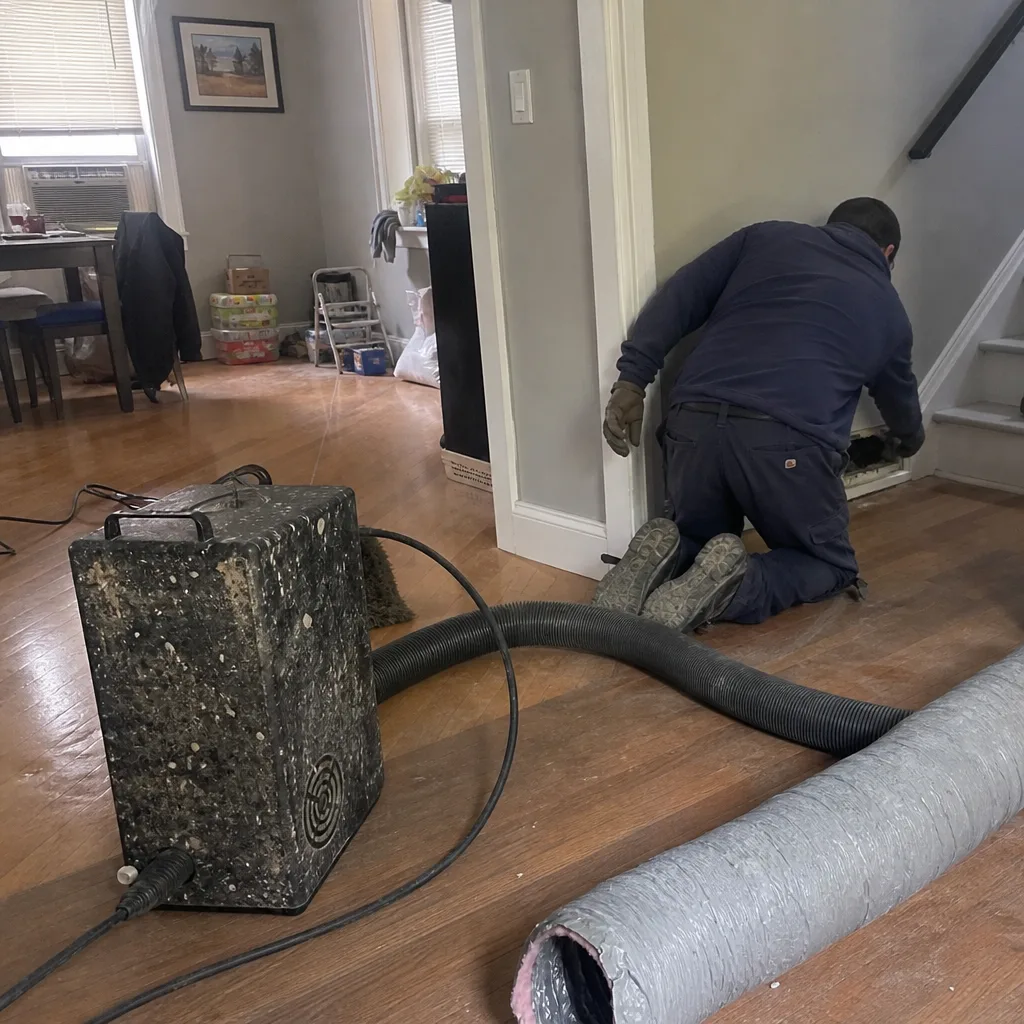 Before
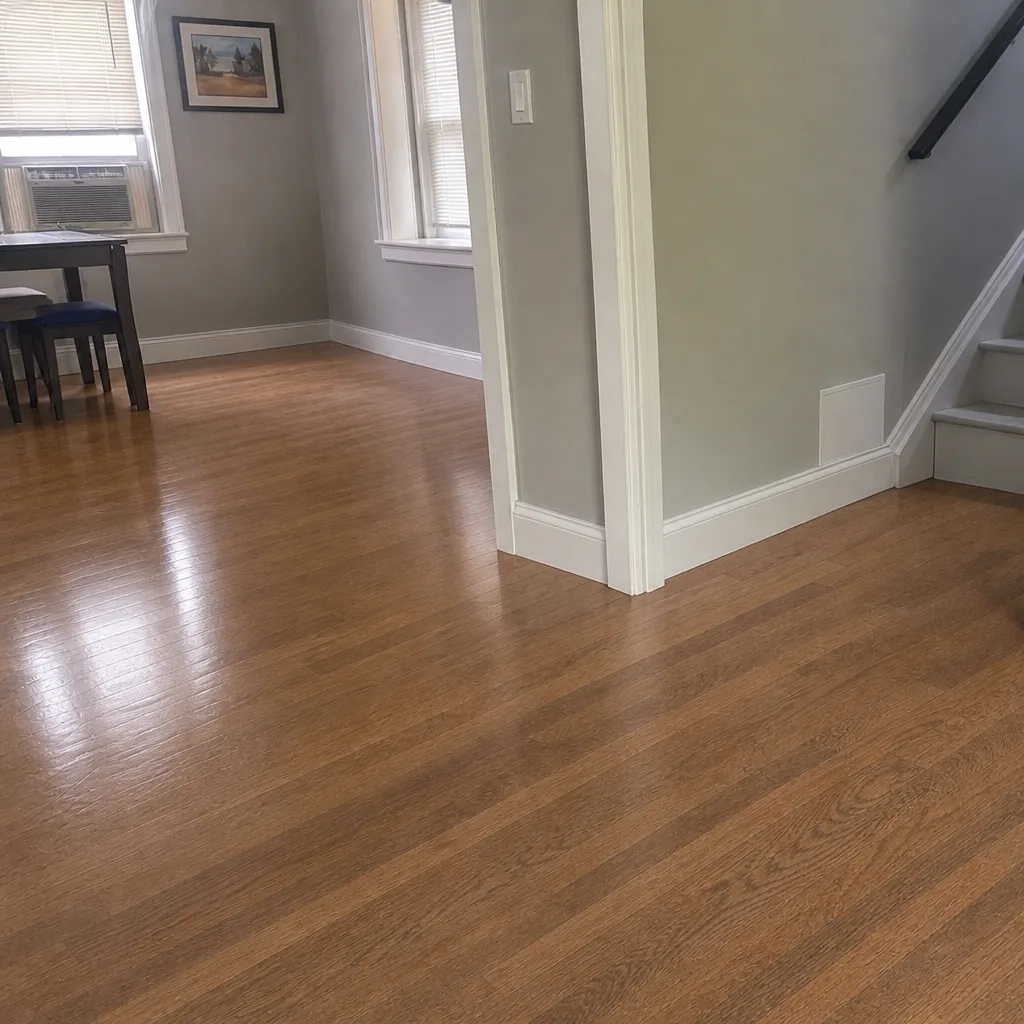 After
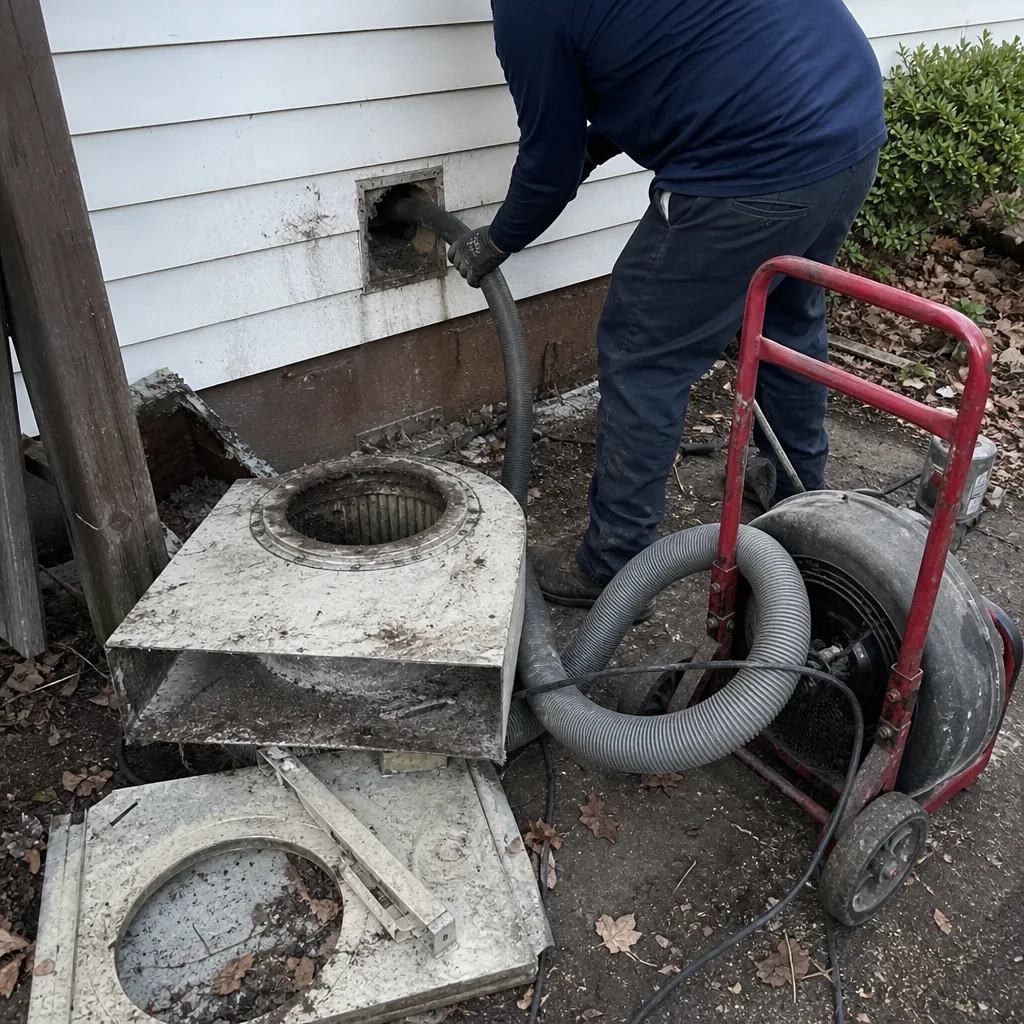 Before
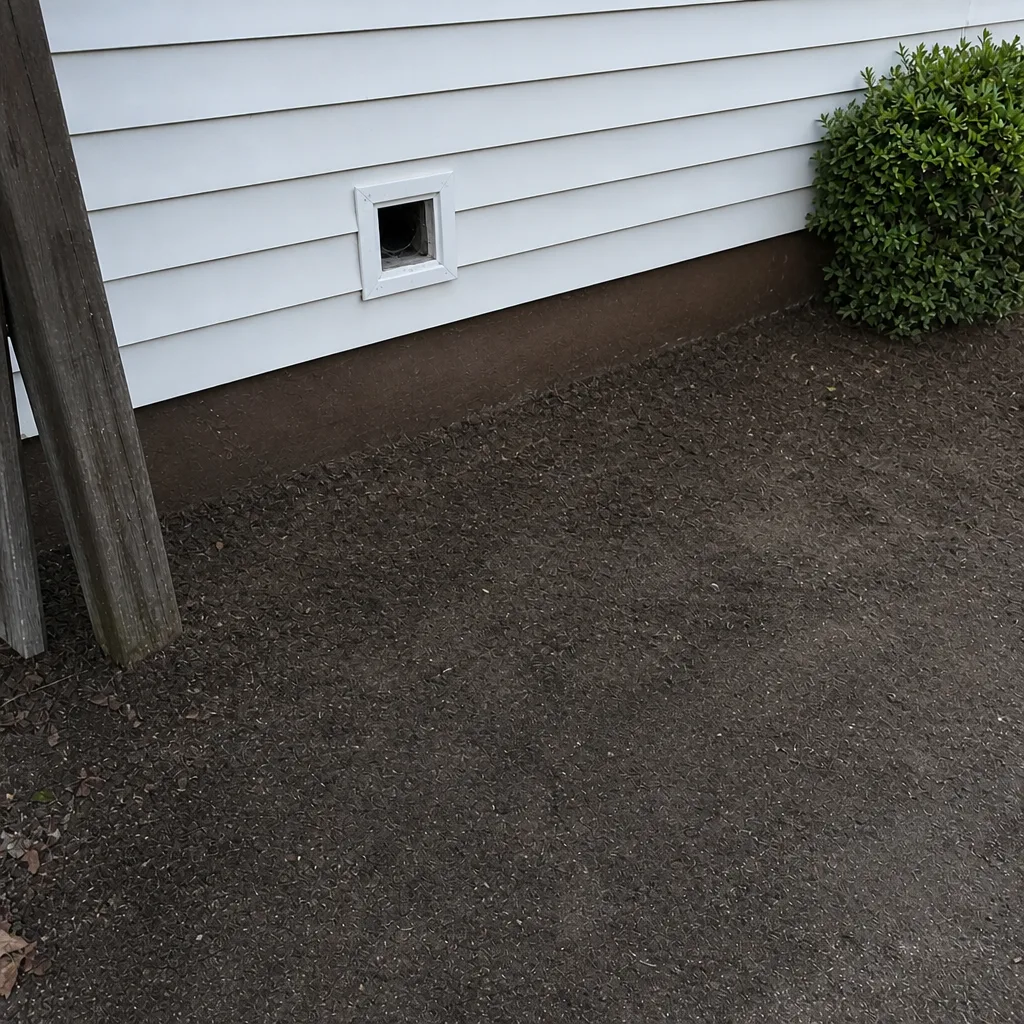 After
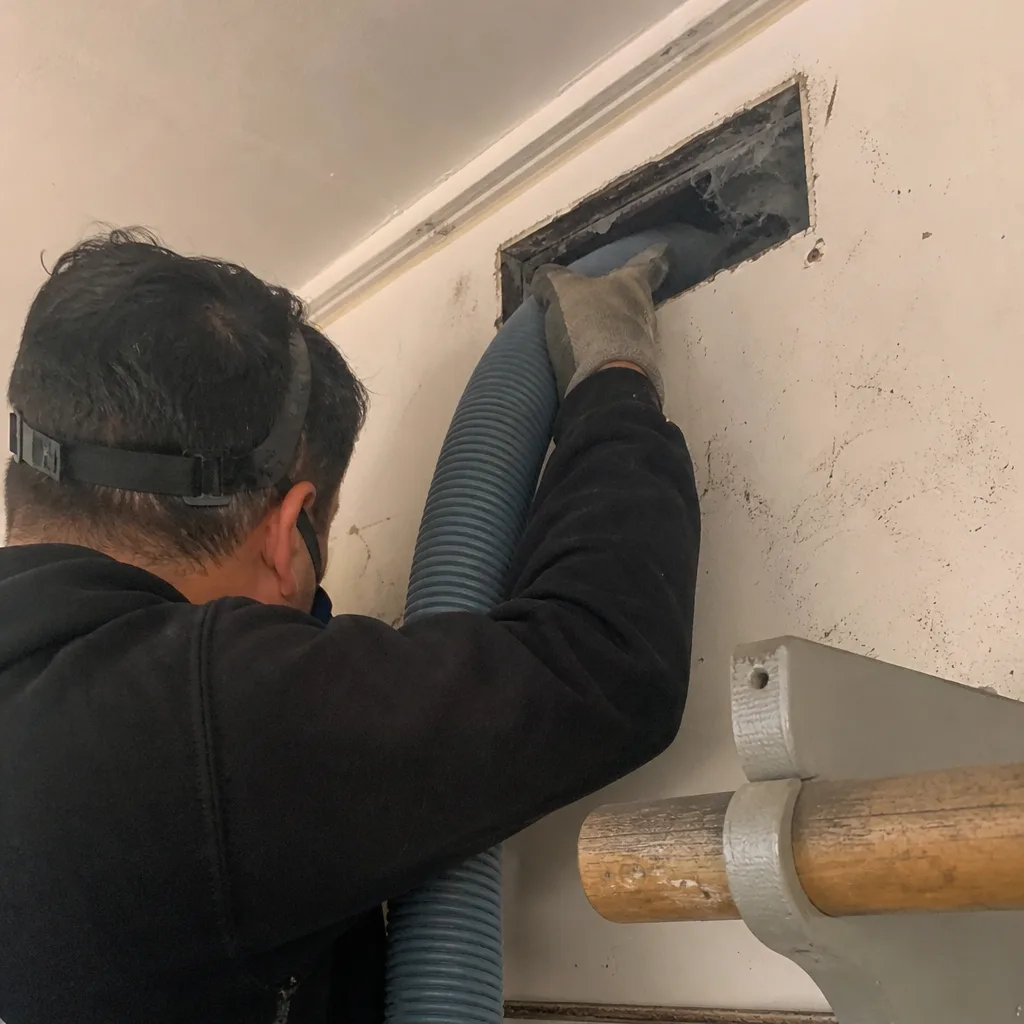 Before
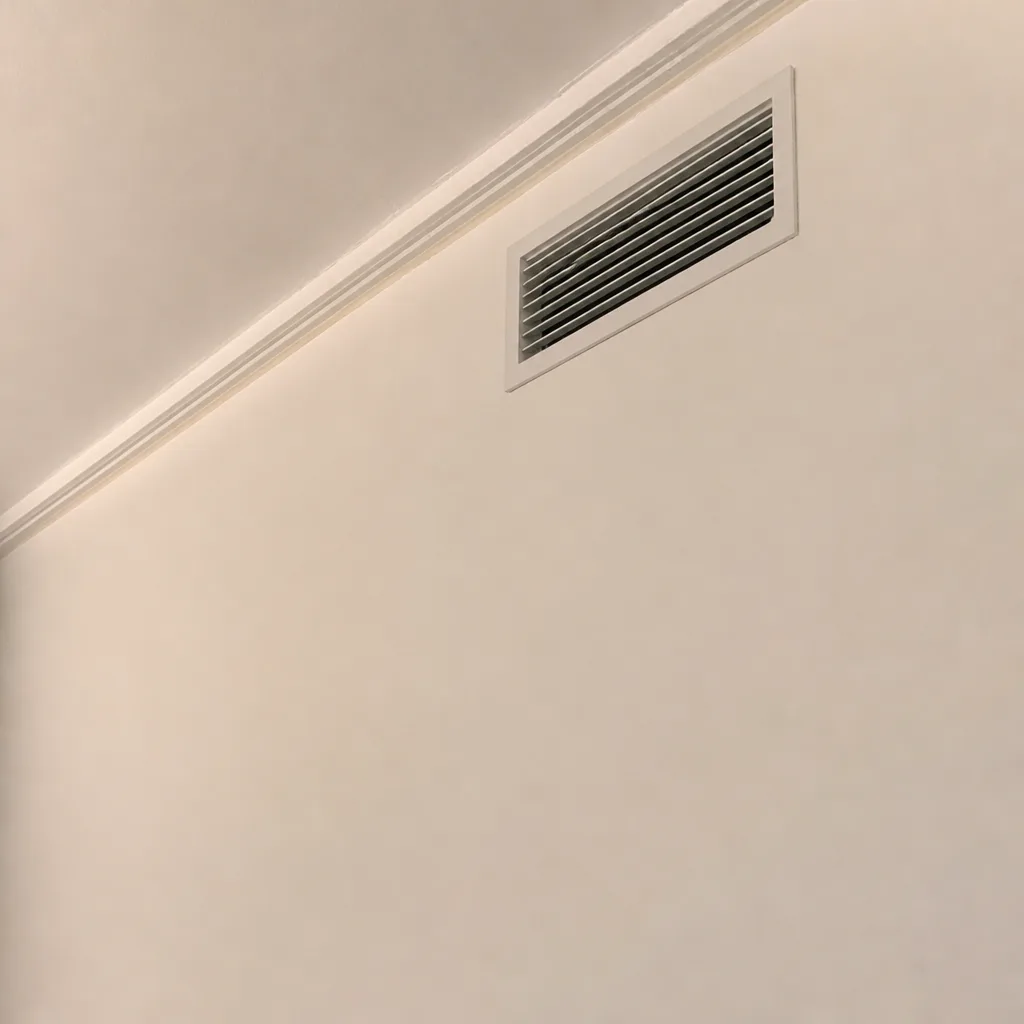 After
When to Call a Professional
Some situations clearly call for a trained professional. If you’re seeing visible mold growth inside a duct or around a register, if you’ve had a remediation done and need verification before restart, if a pre-1980 mechanical system needs work, or if a co-op or condo building needs a documented inspection for a compliance question, don’t handle it yourself. If a dryer vent is taking unusually long to dry clothes or lint is visible around the vent, that’s a fire safety matter and worth a professional look. We connect Corona homeowners and property managers with vetted local professionals who handle HVAC cleaning and duct sealing alongside cleaning, so the root cause gets addressed. Corona Air Duct Cleaning offers free estimates in Corona – call (866) 937-7810. We answer 24/7. Fast dispatch from 7am to 7pm, Sunday through Friday, and we’re closed on Saturday. Estimates are free and the written estimate sets the price.
Frequently Asked Questions
In most cases, no. Routine air duct cleaning in Corona, NY is maintenance work and generally doesn’t require a NYC Department of Buildings permit. A permit becomes relevant when the job involves modification, such as adding a vent or rerouting a duct, and in a co-op or condo, board approval can still be required even where the city doesn’t issue a permit. When you’re not sure, ask the building department before work starts. Call (866) 937-7810 for an exact quote – estimates are free.
Local Law 55 puts indoor allergen hazard duties on building owners, including responsibilities around mold and pest conditions, and duct contamination in a multi-family building can fall within that picture. Whether the law applies to your specific situation depends on the building and its condition, so ask your management. A documented inspection of the shared duct paths is a sensible way to start. Call (866) 937-7810 for an exact quote – estimates are free.
Yes, generally before any work that disturbs suspect materials. NYC DEP asbestos regulations call for a survey by a qualified professional before work disturbs materials that may contain asbestos in a pre-1980 mechanical system. This is the step to resolve before the cleaning crew arrives, not after. Call (866) 937-7810 for an exact quote – estimates are free.
You ask for before-and-after photographs of your own ducts, plus a written inspection report. A legitimate duct cleaning job produces documentation, and you keep it. A crew that can’t show you what was inside before and after hasn’t given you proof of anything. Call (866) 937-7810 for an exact quote – estimates are free.
Because the scope is different. A very low quote often covers a surface pass on the visible vents, not the full supply, return, plenum and air handler, and the price can grow once the crew is on site. We work to one flat price per system, agreed before work starts, and we provide before-and-after photos of your own ducts. Ask any contractor what’s included before you book. Call (866) 937-7810 for an exact quote – estimates are free.
There’s no fixed calendar rule. The right interval depends on the system, the building and what’s in the ducts: if you’ve had visible mold, a pest issue, a renovation, or a long-running dust problem upstairs, sooner. A documented inspection tells you what your Corona building actually needs rather than a general recommendation. Call (866) 937-7810 for an exact quote – estimates are free.
The Bottom Line
In Corona, cleaning is usually maintenance and modification is usually construction, and the two carry different rules. Local Law 55 makes duct contamination a building-owner question in multi-family buildings, and pre-1980 systems need an asbestos survey before anyone disturbs them. Post-remediation work isn’t done until it’s verified. Co-op and condo boards control access, and documentation is what proves the work happened. If you’re ready to know what’s really inside your ducts, we handle Corona Air Duct Cleaning with professional-grade Rotobrush and Nikro equipment and we work with Honeywell and Aprilaire comfort controls as part of the job. Our technicians have up to 15 years of experience. Call (866) 937-7810. We answer 24/7. Fast dispatch from 7am to 7pm, Sunday through Friday. Estimates are free, and the written estimate sets the final price.
Written by the team at Corona Air Duct Cleaning.