
Last updated November 22, 2026
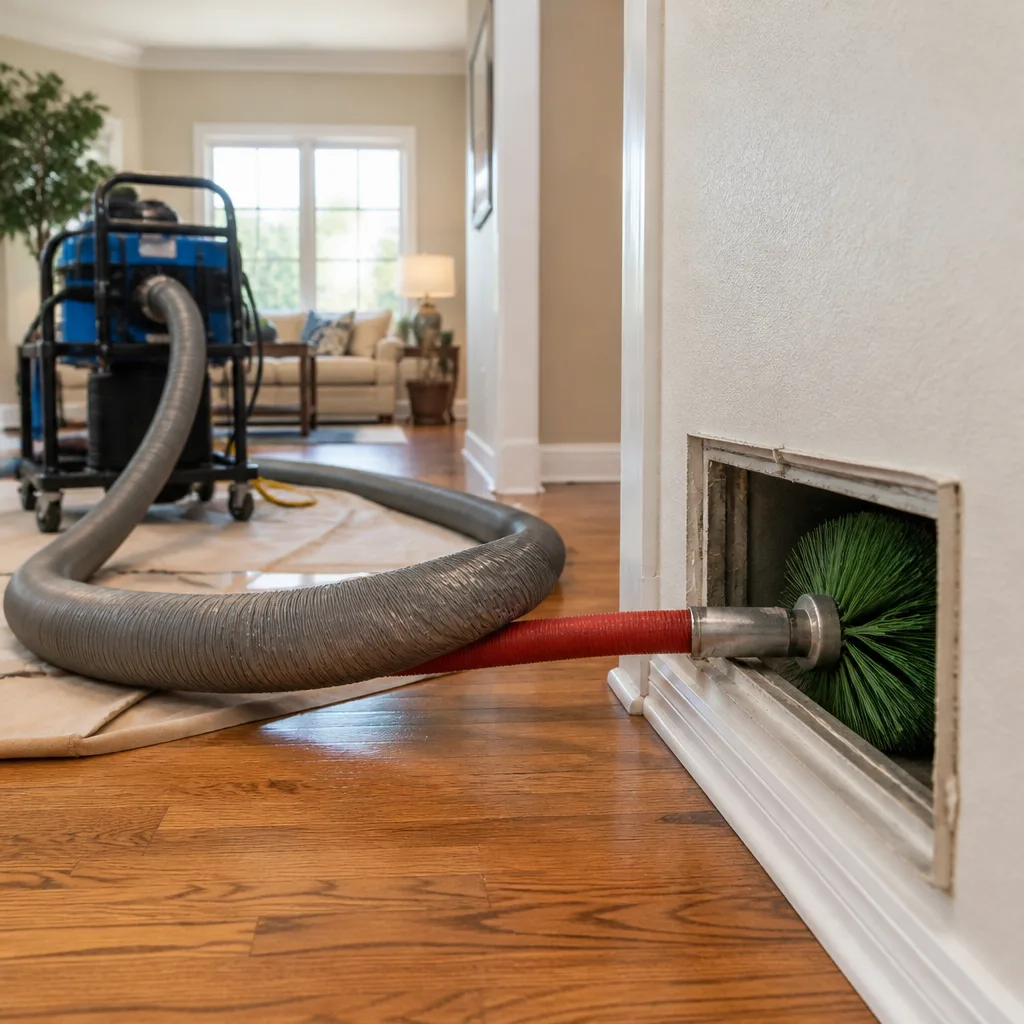 Whole-home duct cleaning
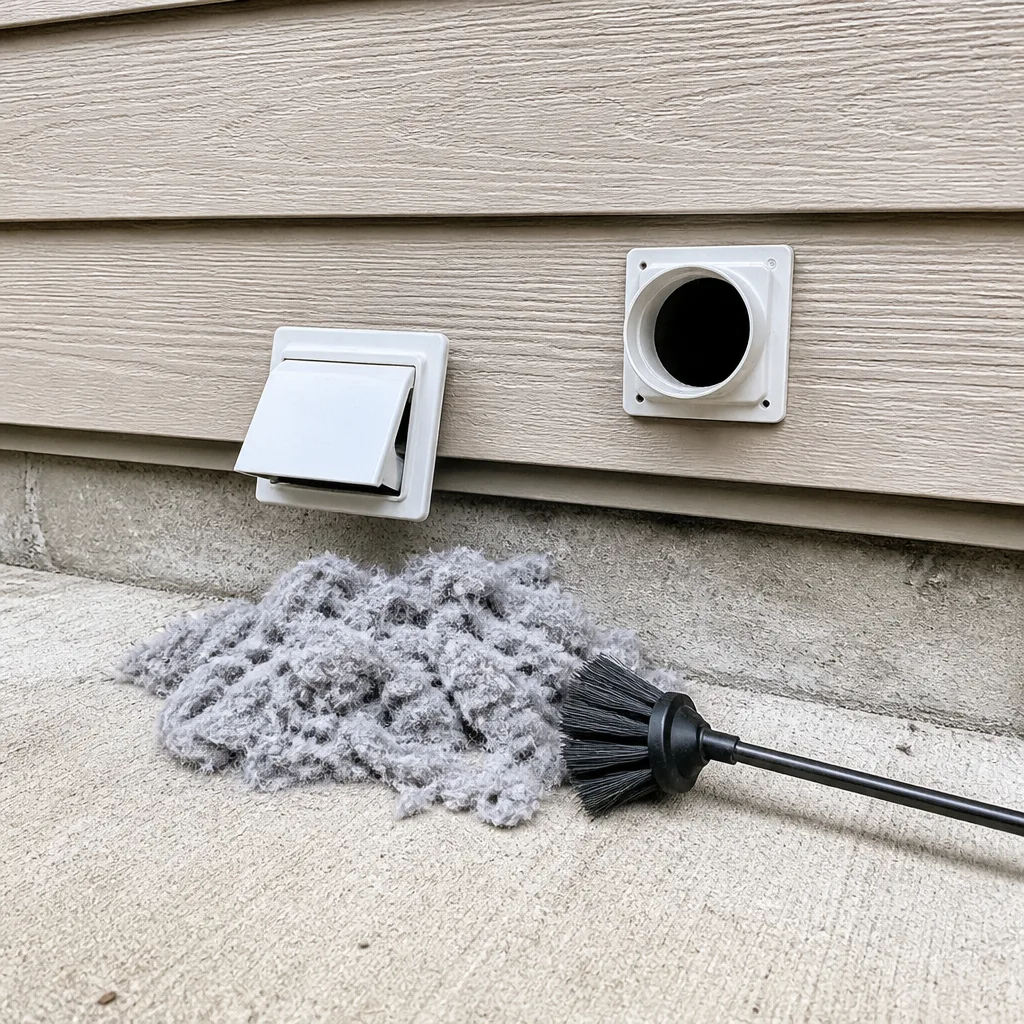 Dryer vent cleaning
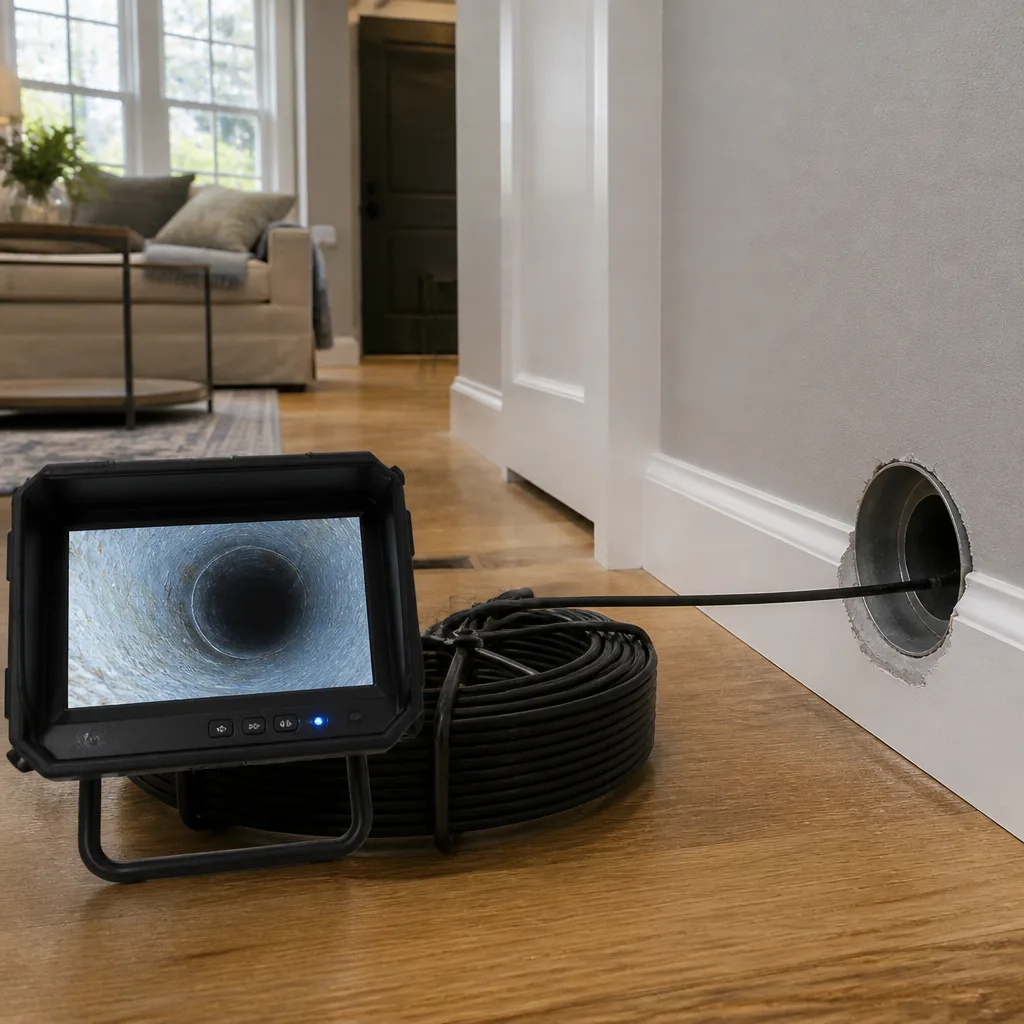 Camera inspection
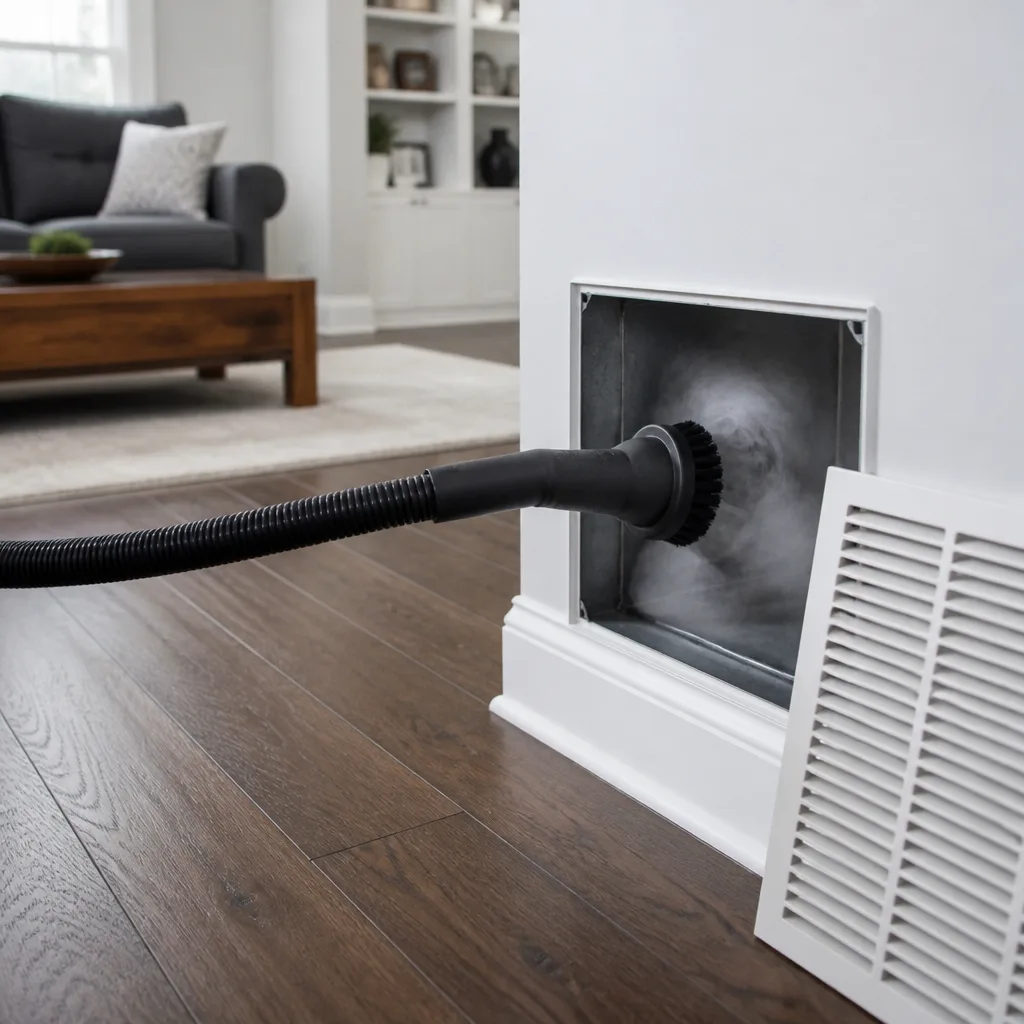 Sanitizing & deodorizing
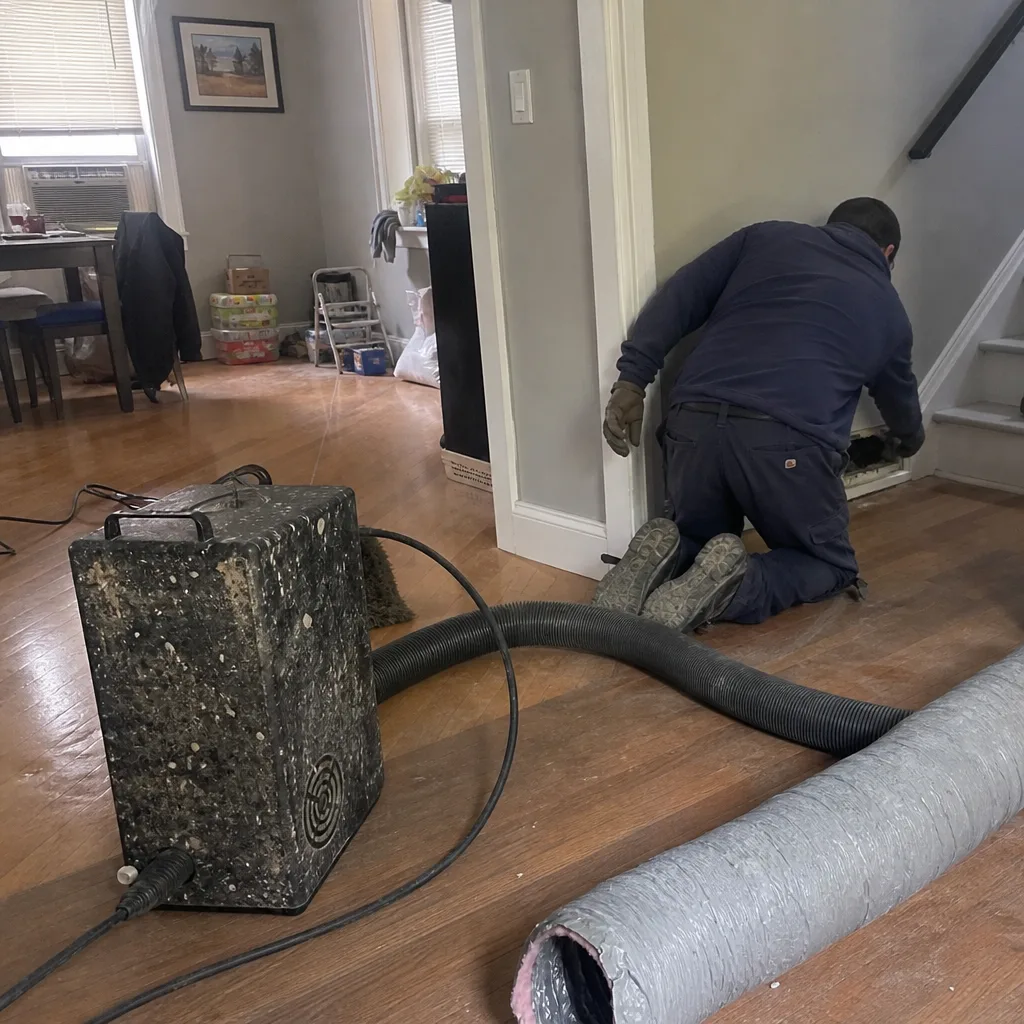
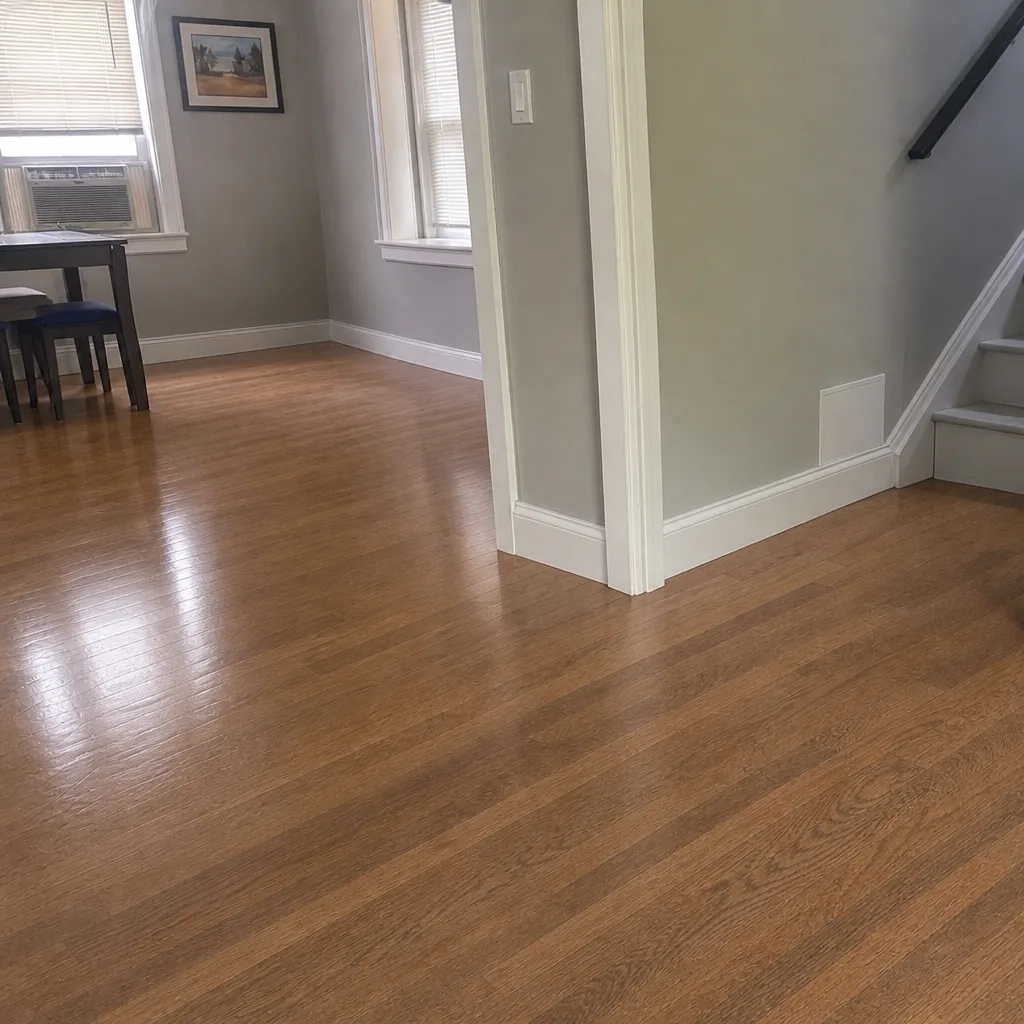
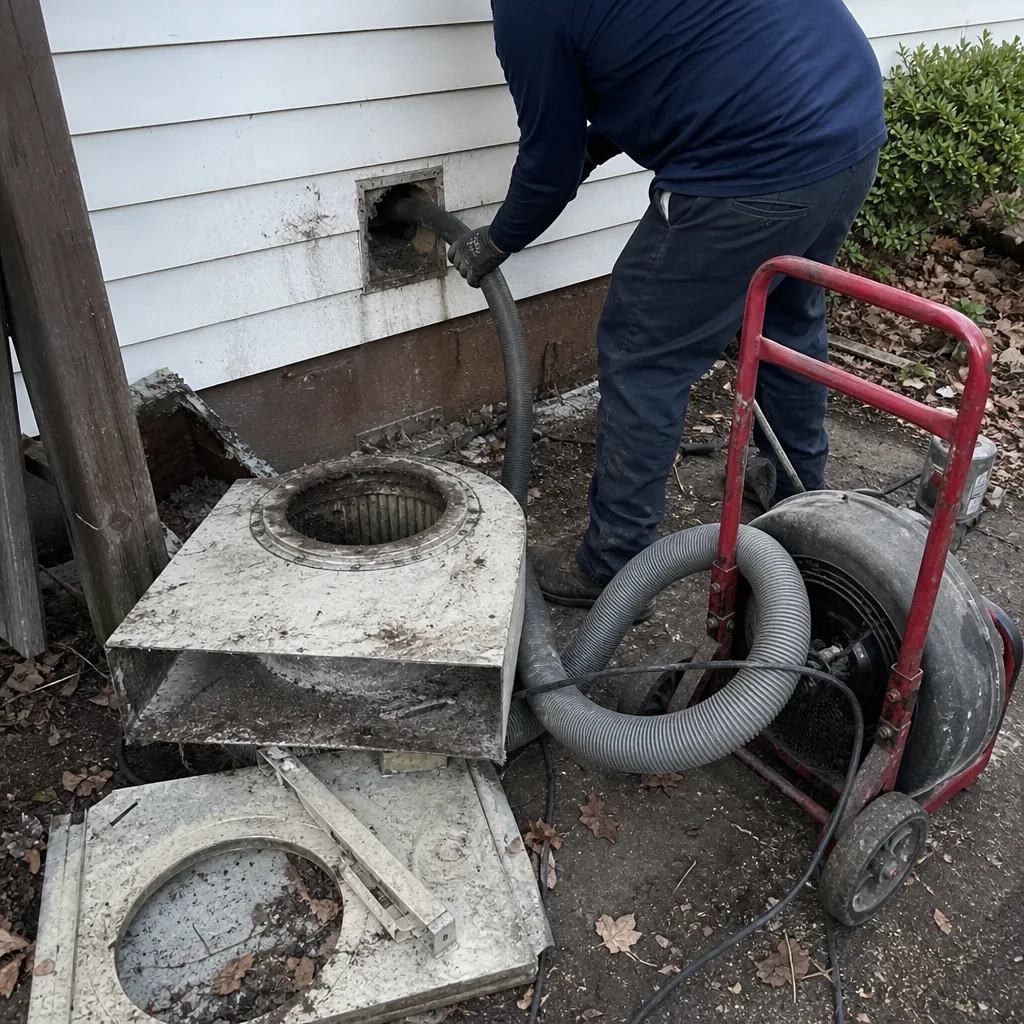
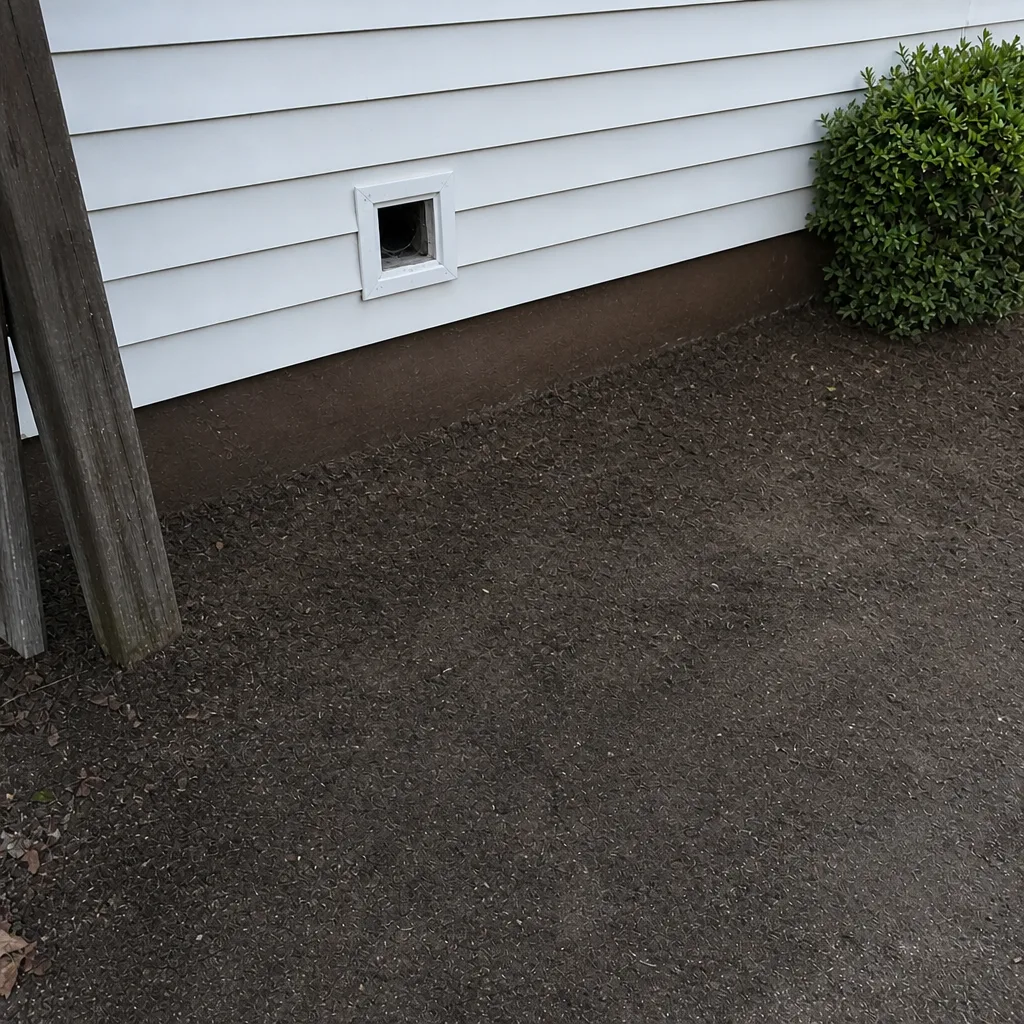
Whole-system duct and dryer vent check with before-and-after photos - you see exactly what came out of your vents
That "$99 whole-house special" is a bait ad - the real number appears once they are in your hallway, or the "clean" is a shop-vac at the register. We photograph the inside of your ducts before and after instead.
Seasonal Air Duct Cleaning Care for Corona: Year-Round Homeowner’s Guide
Most homeowners treat duct cleaning as a once-a-year checkbox, usually scheduled when someone in the house starts sneezing. In Corona, that approach misses the point. The same duct system that sits quietly through a mild October can pull in a full season’s worth of pollen by April, collect condensation in a cold basement by February, and grow biofilm on a wet coil by August. Each season loads your ducts differently, and each one calls for a different action. This guide maps the year for Corona homeowners, from the first heating-to-cooling switch in spring to the pre-season inspection in fall, so you know what’s happening inside your system and when it actually matters.
Quick Answer
Seasonal air duct cleaning care in Corona means timing your maintenance to what the system is actually doing each season: a late-winter moisture check, a spring cleaning right after the first cooling cycle, a summer coil and drain pan review, and a fall sealing and filter inspection before the heat comes on. A single annual cleaning rarely covers all four risk windows, and in Corona’s climate the spring mode-switch and winter condensation cycles are the two that homeowners most often overlook.
Styles & brands we work with
- Whole-home duct cleaning
- Dryer vent cleaning
- Camera inspection
- Sanitizing & deodorizing
Table of Contents
- Why Corona’s Climate Makes Seasonal Duct Care Different
- Winter: Condensation and the Mold-Favorable Basement
- Spring: The Mode-Switch Particulate Flush
- Summer: Humidity, Biofilm, and When Coil Cleaning Becomes Urgent
- Fall: Pre-Heating-Season Inspection Priorities
- How to Build a Rolling 12-Month Duct Log
- Common Mistakes to Avoid
- When to Call a Professional
Why Corona’s Climate Makes Seasonal Duct Care Different
Corona sits in a pocket of Queens where a few things happen at once. It’s dense and built-up, so summer heat lingers longer than it does in greener parts of the borough, and paved surfaces hold warmth into the evening. It’s close to the water at Flushing Meadows and Jamaica Bay, which means spring and summer humidity runs high enough to keep surfaces damp long after the rain stops. And it’s old enough that a lot of housing stock still runs ductwork through unconditioned basements and crawl spaces that were never designed for modern sealed-system performance.
Put those three factors together and you get four distinct contamination windows rather than one general “duct season.” The climate doesn’t clean your ducts on a schedule; it loads them on one.
What that means practically:
- Winter is a moisture season, not a dust season. Cold duct runs in unheated basements sweat when warm indoor air meets cold metal.
- Spring is the particulate season. The first cooling cycle after months of heating stirs up everything that settled over winter.
- Summer is the biological season. High humidity plus a constantly cycling AC creates the wet conditions where biofilm forms on coils and drain pans.
- Fall is the integrity season. Before the system runs continuously again, you want to know the ducts are sealed, the heat exchanger is clean, and the filter is right.
Treating all four the same, or ignoring three of them, is how a duct system ends up quietly working against the house. If you want the foundation of what a proper cleaning involves, our air duct cleaning page covers the process from the equipment side. The rest of this guide is about timing.
Winter: Condensation and the Mold-Favorable Basement
Winter in Corona is the season most homeowners get wrong. The instinct is to think about heating efficiency and forget moisture entirely. But February is exactly when poorly insulated duct runs in unheated basements create the conditions mold needs: a cold surface, warm moist air, and no airflow to dry it out.
Here’s the mechanism. A duct run passes through a basement that stays near freezing. The air inside the duct is warm and carries household humidity from cooking, showers, and breathing. Where the duct metal is coldest, moisture condenses on the inside surface. If that section is uninsulated, the condensation doesn’t dry between heating cycles. Over weeks, it keeps the duct interior damp, and damp duct liner or exposed fibrous material is where microbial growth starts.
What to check in February:
- Feel the duct runs in the basement. A cold, sweating duct with visible condensation on the outside is a sign the same is happening inside.
- Look at the joints and seams. Water staining at a seam means moisture is collecting there, not just passing through.
- Check the return-side filter housing. A damp filter is a red flag for a moisture problem upstream.
- Note any musty smell when the heat first kicks on. That smell is often the first signal that a duct section has stayed wet.
If you find condensation, don’t just wipe it and move on. The fix is insulation and sealing, which is why we offer duct repair and sealing alongside cleaning. Our technicians have up to 15 years of experience reading these moisture patterns in Corona’s older housing stock, and the pattern is usually visible before anything serious develops if you look in the right month.
Spring: The Mode-Switch Particulate Flush
Spring in Corona doesn’t just mean pollen counts climbing. It means the first time you switch from heating to cooling, the system re-pressurizes months of settled deposits and pushes them into living spaces. That first cooling cycle is often the highest indoor particulate event of the year, and it usually lands right in the middle of allergy season.
Think about what happens over winter. The system runs in heating mode, moving air through the same ducts for months. Dust, skin cells, pet dander, and fine debris settle on duct walls, especially on the horizontal runs and the return side where airflow is slower. When the season changes and the blower runs in cooling mode, the airflow direction and pressure profile shift. Deposits that were resting quietly get lifted and carried out through the supply registers into the rooms where people are breathing.
That’s the flush. It doesn’t mean your ducts are dangerous; it means the spring transition is the moment when a cleaning does the most good.
What to do:
- Schedule the cleaning before the first cooling cycle runs consistently, ideally in early spring when the system is still mostly in heating mode.
- Change the filter the same week you switch modes. A winter’s worth of loading is sitting in it.
- Expect the first week of cooling to be dustier than the rest of the season. If it isn’t, that’s a good sign the ducts were clean going in.
- Watch for allergy symptoms spiking right at the switch. That timing is the clue that the particulate event is real for your house.
Corona sits close enough to Flushing Meadows and Jamaica Bay that spring pollen is heavy, which makes the flush worse than it would be inland. Cleaning before the switch means the pollen coming in through the return is entering a clean system rather than a loaded one.
Summer: Humidity, Biofilm, and When Coil Cleaning Becomes Urgent
Summer is when the question shifts from dust to biology. High humidity and a constantly cycling AC create the conditions where biofilm forms on the evaporator coil and the drain pan, and once that film establishes itself, it’s hard to remove without professional coil cleaning.
The mechanism is straightforward. The evaporator coil is wet by design; that’s how it dehumidifies. The drain pan collects the condensate and routes it out. In a humid Corona July, those surfaces stay wet almost continuously because the system cycles so often. Wet metal plus a steady air supply plus organic dust equals the exact environment where bacteria and mold colonize. The biofilm that forms is a slimy layer that reduces heat transfer, restricts airflow, and adds an odor to the supply air.
When coil cleaning becomes urgent versus optional:
- Optional but sensible: a coil and drain pan cleaning as part of a seasonal maintenance visit, before any film is visible.
- Urgent: a musty or sour smell from the supply registers within the first few minutes of the AC running.
- Urgent: visible standing water in the drain pan, or algae growth inside it.
- Urgent: reduced cooling performance combined with high humidity in the house, suggesting the coil is fouled and can’t transfer heat.
Our air quality and sanitizing service uses Abatement Technologies equipment associated with HEPA-grade containment and remediation-level standards, which is what you want when the problem is biological rather than just dusty. If you want the coil, drain pan, and blower cleaned together with the ducts, that’s what our HVAC cleaning service covers. Cleaning the ducts while leaving a fouled coil in place is only half the job.
Fall: Pre-Heating-Season Inspection Priorities
Fall is the last chance to fix problems before the system runs continuously for months. It’s also the season where the cheapest fixes make the biggest difference. Three things deserve your attention: heat exchanger cleanliness, duct seal integrity, and filter upgrade timing.
Heat exchanger cleanliness. A dirty heat exchanger runs hotter than it should and shortens equipment life. Have it checked and cleaned before the heating season. The same visit reveals whether the exchanger is intact; if it isn’t, a professional needs to address it, because a cracked heat exchanger is a safety issue.
Duct seal integrity. The EPA estimates that duct leakage causes 20 to 30 percent energy loss in a typical home HVAC system. In Corona’s older housing stock, that leakage is often at the seams, joints, and the boot connections where ducts meet registers. Sealing those leaks before the heating season means the heat you pay for actually reaches the rooms you want warm.
Filter upgrade timing. Fall is the right season to move to a higher-MERV filter for the heating season, when fine combustion particles and dry dust are more prevalent. Products from Honeywell and Aprilaire give you options that balance filtration with airflow; a filter that’s too restrictive for your blower is worse than a slightly less efficient one.
Our duct repair and sealing service exists precisely because cleaning without sealing leaves the same leaks that let contamination back in. Fall is when that window matters most.
How to Build a Rolling 12-Month Duct Log
The single most useful thing you can do for your own duct system is keep a simple log. A contractor who can see a year of notes on your system tracks seasonal patterns specific to your house rather than applying national averages. That’s how you stop guessing and start knowing.
Here’s how to build one:
- Start with a one-page baseline. Note the system age, filter size, number of returns, and which duct runs pass through unconditioned space. Photograph the return filter housing and the visible duct runs.
- Log every filter change with a date and a photo of the dirty filter. The rate of loading tells you more about your duct condition than a single inspection.
- Record the first cooling cycle each spring and the first heating cycle each fall. Note whether the house smells musty or dusty in the first week.
- Check the drain pan and coil access once a month through summer. Note standing water, algae, or smell.
- Note any duct run that sweats in winter. A recurring note on the same run is the signal to insulate and seal it.
- Log every professional visit with what was cleaned, sealed, or sanitized. This is the record that lets a contractor see what was addressed and when.
Bring the log to your estimate appointment. A contractor who reads it can tell you what your specific system needs next rather than quoting a generic service. Our team at Corona Air Duct Cleaning uses professional-grade Rotobrush and Nikro equipment, and the log helps us decide which parts of the system to prioritize based on what your equipment has actually been doing.
Common Mistakes to Avoid
- Cleaning only in summer. Most Corona homeowners schedule cleaning when the AC is running and the problem is most obvious. That misses the winter condensation window and the spring mode-switch flush, which are the two seasons that load the system hardest.
- Ignoring basement duct runs because they’re out of sight. The uninsulated runs in older Queens basements are the most likely sections to develop moisture problems in winter. If you never check them in February, you won’t find the condensation until the smell shows up in spring.
- Cleaning ducts without addressing the coil and drain pan. A clean duct system connected to a fouled coil will re-contaminate itself within a season. Summer is the season to clean the wet side, not just the visible side.
- Skipping duct sealing after cleaning. Cleaning a leaking duct system is like cleaning a room with the windows open. The EPA’s 20 to 30 percent energy loss estimate for leaking ducts is a reason to seal, not just to vacuum.
- Choosing a filter by marketing instead of by blower spec. A high-MERV filter that starves your blower of airflow does more harm than good. Balance filtration against what your system can actually move.
- Forgetting the dryer vent entirely. Lint buildup in a dryer vent is a documented leading cause of residential fires, and it’s not part of the HVAC system. It’s a separate fire-safety service and it deserves its own slot on the yearly calendar.
- Relying on a single annual cleaning to cover all four seasons. The system doesn’t have one failure mode; it has four. A single visit addresses one season’s problem well and the others unevenly.
If lint buildup is your concern rather than duct dust, our dryer vent cleaning service handles that side of whole-home safety. The two services share the same calendar logic but address different risks.
When to Call a Professional
Some seasonal care is homeowner-level: changing filters, checking the drain pan, keeping the log. But several situations genuinely need a professional. Call when you find moisture or staining on duct runs in winter, when the first cooling cycle in spring produces a strong musty or dusty smell that lingers more than a few days, when the drain pan shows standing water or algae in summer, or when you notice reduced airflow room-to-room that suggests duct leakage or blockage. Call too if the heat exchanger inspection in fall turns up anything questionable, because that’s a safety matter that needs a trained eye.
Corona Air Duct Cleaning offers free estimates in Corona. Call (866) 937-7810. We answer 24/7. Fast dispatch from 7am to 7pm, Sunday through Friday. The local pro is licensed and insured as their state requires, the estimate is free, and the price is set per job by the written estimate, so you know the whole cost before work begins.
See the difference
 Before
 After
 Before
 After
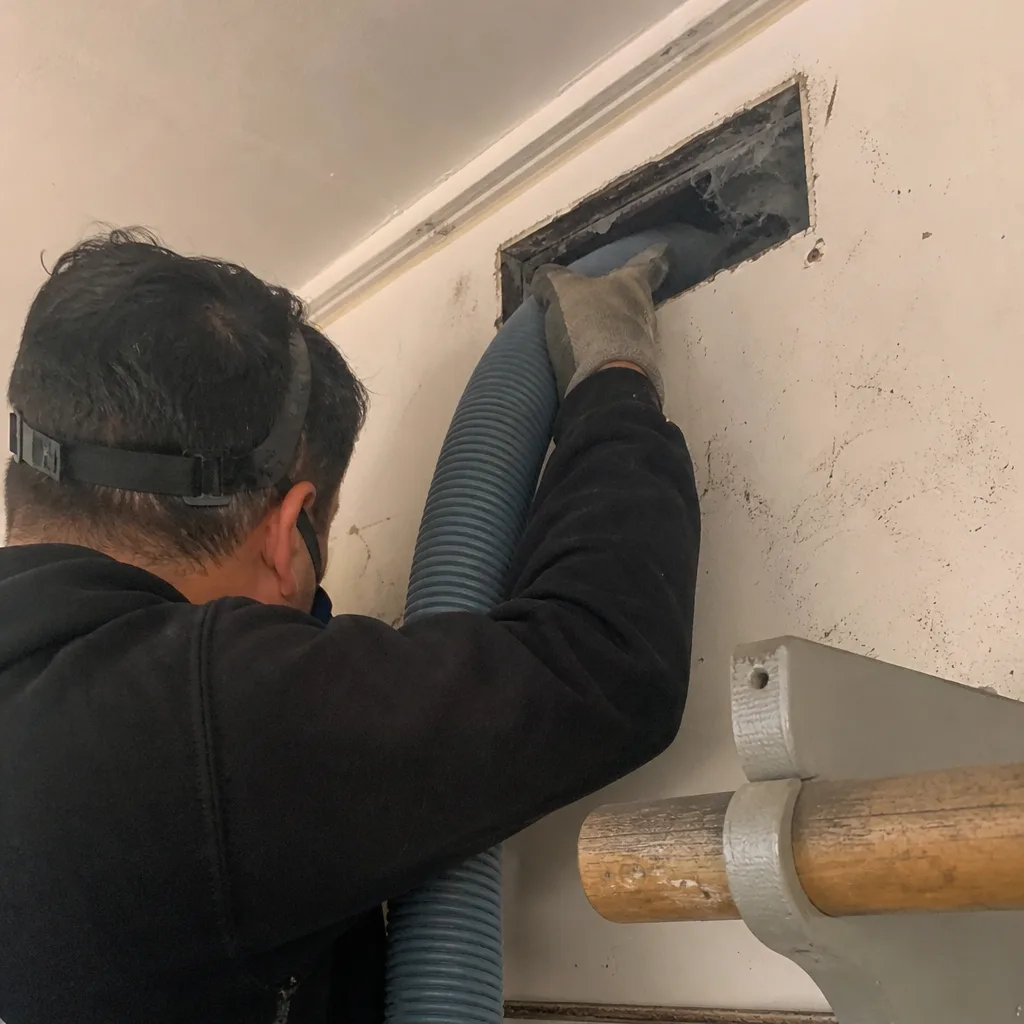 Before
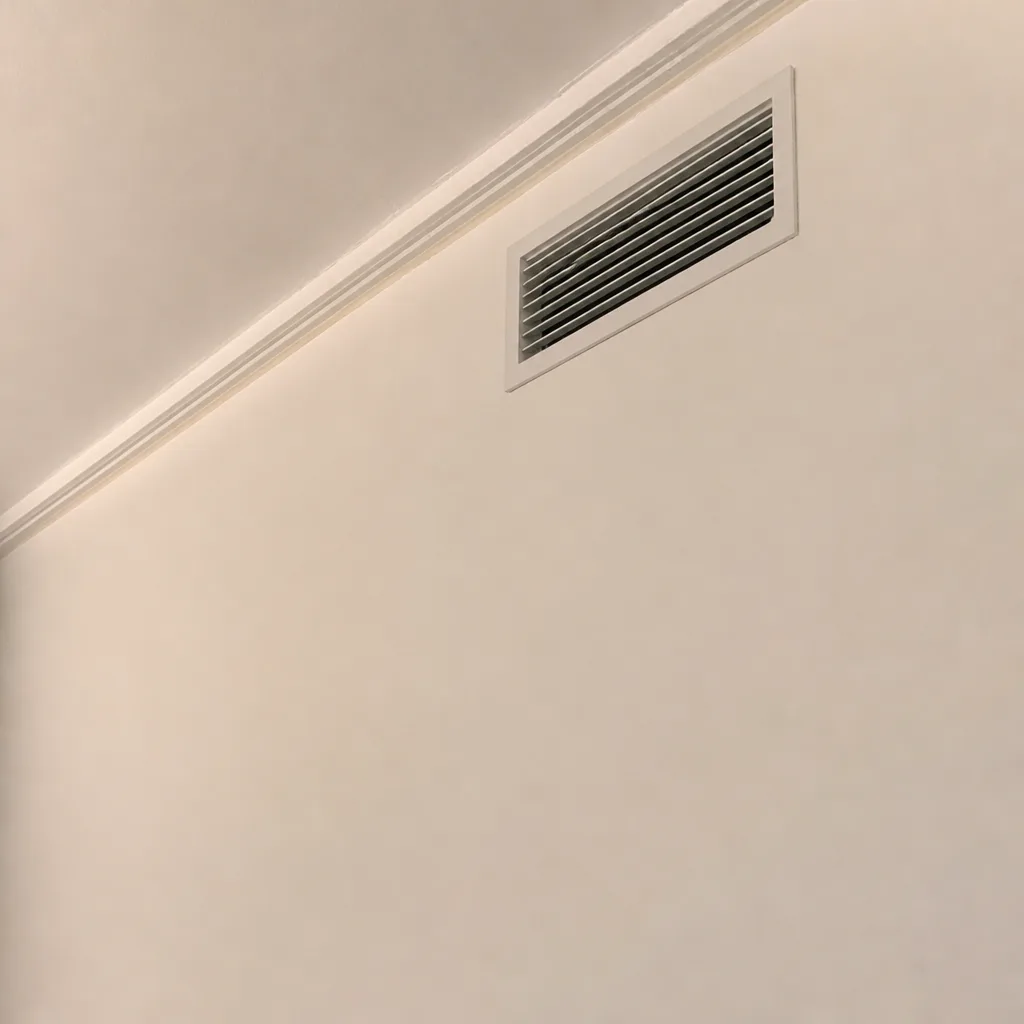 After
Frequently Asked Questions
Once a year is a reasonable baseline for most Corona homes, but the season you choose matters more than the frequency. Cleaning in early spring, before the first cooling switch, addresses the highest-particulate event of the year. Homes with pets, allergy sufferers, recent renovations, or a history of moisture in basement duct runs often benefit from a second visit, particularly a winter moisture check and a summer coil cleaning.
A musty smell at the start of the cooling season usually points to biofilm on the evaporator coil or standing water in the drain pan. Corona’s summer humidity keeps those surfaces wet through most of the cooling cycle, which is exactly the condition where microbial growth establishes. Coil and drain pan cleaning, done alongside duct cleaning, addresses the source rather than masking the smell. Call (866) 937-7810 for an exact quote; estimates are free.
Cheap quotes are frequently priced per vent or built on a low teaser figure that grows once the technician is on site. The two patterns to watch for are a per-vent price that doesn’t cover the full system and an inspection-driven upsell. Ask for one flat price for the whole system, agreed before work starts, and ask for before-and-after photos of your own ducts. The final price should be set by the written estimate before any work begins.
Ask for before-and-after photos of your own ducts, not stock images. A professional cleaning with contact-vacuum and negative-air equipment like Rotobrush and Nikro systems physically agitates and extracts debris, and the results are visible in the photos. If a company can’t show you your own system before and after, that’s a reason to ask questions. Call (866) 937-7810 to schedule a free estimate.
Spring cleaning addresses the mode-switch particulate flush, which is the highest indoor particulate event of the year in Corona. Fall cleaning addresses the pre-heating inspection side: heat exchanger cleanliness, duct seal integrity, and filter upgrade. The two serve different purposes. Homes that can only schedule one visit tend to get the most benefit from early spring cleaning followed by a fall inspection, even if the fall visit is only a check.
A free estimate covers a walkthrough of your system, an assessment of which seasonal issues apply to your home, and a written price for the work. It doesn’t obligate you to anything. The written estimate sets the final price before any work starts, so there’s no per-vent pricing surprise. Call (866) 937-7810. We answer 24/7. Fast dispatch from 7am to 7pm, Sunday through Friday.
The Bottom Line
Corona’s climate loads your duct system in four distinct ways across the year, and a single annual cleaning doesn’t address all of them. Winter is about moisture and condensation in unheated basement runs. Spring is the mode-switch particulate flush, the highest indoor particulate event of the year. Summer is the biofilm season, when coil and drain pan cleaning stops being optional. Fall is the integrity season, when sealing, heat exchanger inspection, and filter upgrades matter most. Build a rolling 12-month log so the pattern is visible, then time your professional visits to the season that matters for your specific system. That’s how seasonal care actually works in Corona.
If you’d rather have a professional walk your system season by season, Corona Air Duct Cleaning offers free estimates. Call (866) 937-7810. We answer 24/7. Fast dispatch from 7am to 7pm, Sunday through Friday.
Written by the team at Corona Air Duct Cleaning.